14 May 2024 | Traditional Living Ltd
A guide to purchasing cast iron radiators for your home.
If you’re in the market for a new heating system for your home, cast iron radiators may be the perfect solution for you.
But what exactly are the benefits of choosing cast iron radiators over other heating options? How do you choose the right size and design for your space? And what should you know about installation and maintenance? In this guide, we’ll explore all these questions and more.The benefits of cast iron radiators
Before diving into the specifics of choosing and installing cast iron radiators, it’s important to understand the advantages of this heating option. Here are just a few of the benefits:
Energy efficiency and heat retention
One of the main advantages of cast iron radiators is their excellent heat retention. Unlike other heating options, such as electric heaters, cast iron radiators are designed to retain heat and slowly release it over time. This means that your home will stay warm for longer periods, even after the heating system has been turned off. Additionally, cast iron radiators are often more energy-efficient than other heating options, as they require less energy to maintain heat levels.
Cast iron radiators are also great for those who are looking to reduce their carbon footprint. By using cast iron radiators, you can reduce your energy consumption and save money on your energy bills.
Durability and longevity
Cast iron radiators are known for their durability and longevity. Unlike other heating systems, which may need to be replaced every few years, cast iron radiators can last for decades with proper maintenance. Additionally, cast iron radiators are less likely to leak or break than other heating options, which means fewer repair costs in the long run.
Cast iron radiators are made from high-quality materials that are built to last. They are designed to withstand the test of time and can provide reliable heating for years to come. This makes them a great investment for homeowners who are looking for a long-term heating solution.
Aesthetics and design options
In addition to their practical benefits, cast iron radiators also offer a wide range of design options. From traditional column radiators to ornate and decorative styles to modern and minimalist designs, there’s a cast iron radiator to suit every home decor style. And because cast iron radiators are made from high-quality materials, they can add both aesthetic value and resale value to your home.
Cast iron radiators are not only functional, but they can also be a beautiful addition to your home. They come in a variety of styles, colours, and finishes, which means you can find the perfect radiator to match your home’s decor. Additionally, cast iron radiators can be customized to fit your specific needs and preferences.
Overall, cast iron radiators are an excellent heating option for homeowners who are looking for a reliable, energy-efficient, and aesthetically pleasing solution. With their durability, longevity, and design options, cast iron radiators are a great investment that can provide reliable heating for years to come.
Types of cast iron radiators
When it comes to choosing the right cast iron radiator for your home, there are several options to consider. Here are three of the most common types:
Traditional column radiators
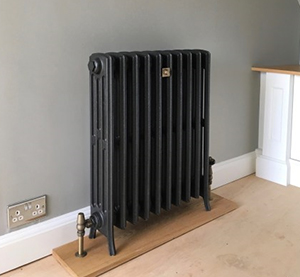
Traditional column radiators are a classic choice for any home. They consist of multiple vertical columns, which are connected by horizontal sections. Traditional column radiators are available in a variety of heights and widths, making them a versatile option for any room.
Ornate and decorative radiators
For a more decorative option, ornate and decorative cast iron radiators may be the perfect choice. These radiators are often designed with intricate patterns and details, making them a standout piece in any room. Additionally, many ornate and decorative radiators are available in a variety of colours and finishes, making it easy to find a style that fits your home decor.
Modern and minimalist designs
If you prefer a more modern aesthetic, there are also several cast iron radiator options to consider. Modern and minimalist designs often feature clean lines and geometric shapes, providing a sleek and streamlined look. Just as with traditional and ornate radiators, modern designs are available in a range of sizes to suit all your heating needs.
Sizing and heat output considerations
Once you’ve decided on the type of cast iron radiator you want, it’s important to choose the right size and heat output for your space. Here are a few key considerations:
Measuring your room’s heating requirements
The first step in choosing the right cast iron radiator is to measure your room’s heating requirements. This includes factors such as the size of the room, the ceiling height, and the number of external walls. By considering these factors, you can ensure that your cast iron radiator is the right size for your space.
It’s important to note that different rooms have different heating requirements. For example, a bedroom may require less heat than a living room, and a room with large windows may require more heat than a room with small windows. Additionally, the orientation of your room can also impact its heating requirements. A room that faces north may require more heat than a room that faces south.
Choosing the right size radiator
Once you have a better idea of your room’s heating requirements, you can begin to choose the right size radiator. Cast iron radiators are typically sized by the number of sections they contain, with larger radiators including more sections. To determine the size of radiator you need, you will need to calculate the BTU (British Thermal Units) required to heat your space.
It’s important to choose a radiator that is the right size for your space. If your radiator is too small, it won’t be able to heat your room effectively. On the other hand, if your radiator is too large, it may produce too much heat, which can be uncomfortable and inefficient.
Understanding BTU output
BTUs measure the amount of heat required to raise the temperature of one pound of water by one degree Fahrenheit. The more BTUs a radiator produces, the more heat it can provide. To calculate the BTU output required for your room, you will need to consider the size of the room as well as the insulation and glazing. Once you have this information, you can choose a radiator with a BTU output that matches your heating requirements.
It’s important to note that other factors can impact a radiator’s BTU output. For example, if your radiator is located near a window or door, it may lose heat more quickly than a radiator that is in the centre of the room. Additionally, if your radiator is covered by a piece of furniture or a curtain, it may not be able to produce as much heat as it would otherwise.
Overall, choosing the right size and heat output for your cast iron radiator is essential for ensuring that your space is comfortable and energy efficient. By taking the time to measure your room’s heating requirements and understand BTU output, you can choose a radiator that is perfect for your space.
Installation and maintenance
Finally, it’s important to consider the installation and maintenance requirements of your cast iron radiator. Here are a few factors to keep in mind:
Professional installation vs. DIY
While some homeowners may be comfortable installing their own cast iron radiators, others may prefer to hire a professional. Professional installation can ensure that your radiator is installed correctly and safely. If you choose to install your radiator yourself, be sure to follow all instructions carefully and seek professional assistance if needed. It’s also important to note that some warranties may require professional installation to be valid.
When it comes to maintenance, hiring a professional can also be beneficial. They can perform regular inspections and maintenance tasks to ensure that your radiator remains in good working order. This can include checking for leaks, cleaning the radiator, and ensuring that all components are functioning properly.
Caring for your cast iron radiator
To keep your cast iron radiator in good condition, there are a few key maintenance tasks to keep in mind. First, it’s important to keep your radiator clean to prevent rust and damage. You can do this by wiping it down regularly with a soft cloth. Additionally, you should bleed your radiator regularly to ensure that it remains properly pressurized. This can help improve its efficiency and prevent issues with overheating.
If you notice any rust or corrosion on your radiator, it’s important to address it as soon as possible. You can use a wire brush to remove any rust and then apply a rust inhibitor to prevent further damage. It’s also important to avoid using any harsh chemicals or abrasive cleaners on your radiator, as this can cause damage to the finish.
Troubleshooting common issues
If you do experience issues with your cast iron radiator, there are several common problems to look out for. One common issue is leaks, which can be caused by a variety of factors such as a damaged valve or connection. If you notice any leaks, it’s important to address them as soon as possible to prevent damage to your floors or walls.
Another common issue is poor performance, which can be caused by a variety of factors such as air in the system or a clogged pipe. If you notice that your radiator is not heating up properly, it’s important to check for these issues and address them accordingly.
By addressing any issues or problems as soon as they arise and seeking professional assistance if needed, you can ensure that your cast iron radiator remains in good working order for many years to come.
Conclusion
Overall, cast iron radiators offer a range of benefits for homeowners looking for a reliable and stylish heating option. By considering factors such as type, size, installation, and maintenance requirements, you can choose a cast iron radiator that meets all your heating needs. So, if you’re in the market for a new heating system, be sure to consider the many benefits of cast iron radiators.