12 November 2025 | Renco Nets Ltd
How to Spot When Your Netting Needs Replacing
Netting plays a vital role in maintaining safety, efficiency, and performance in many industries – particularly in sport. However, like any material exposed to the elements or constant use, netting doesn’t last forever. In this guide, we’ll look at the key signs that your netting may be nearing the end of its lifespan, and why early replacement can ultimately save you money and protect users.
1. Visible Holes and Tears
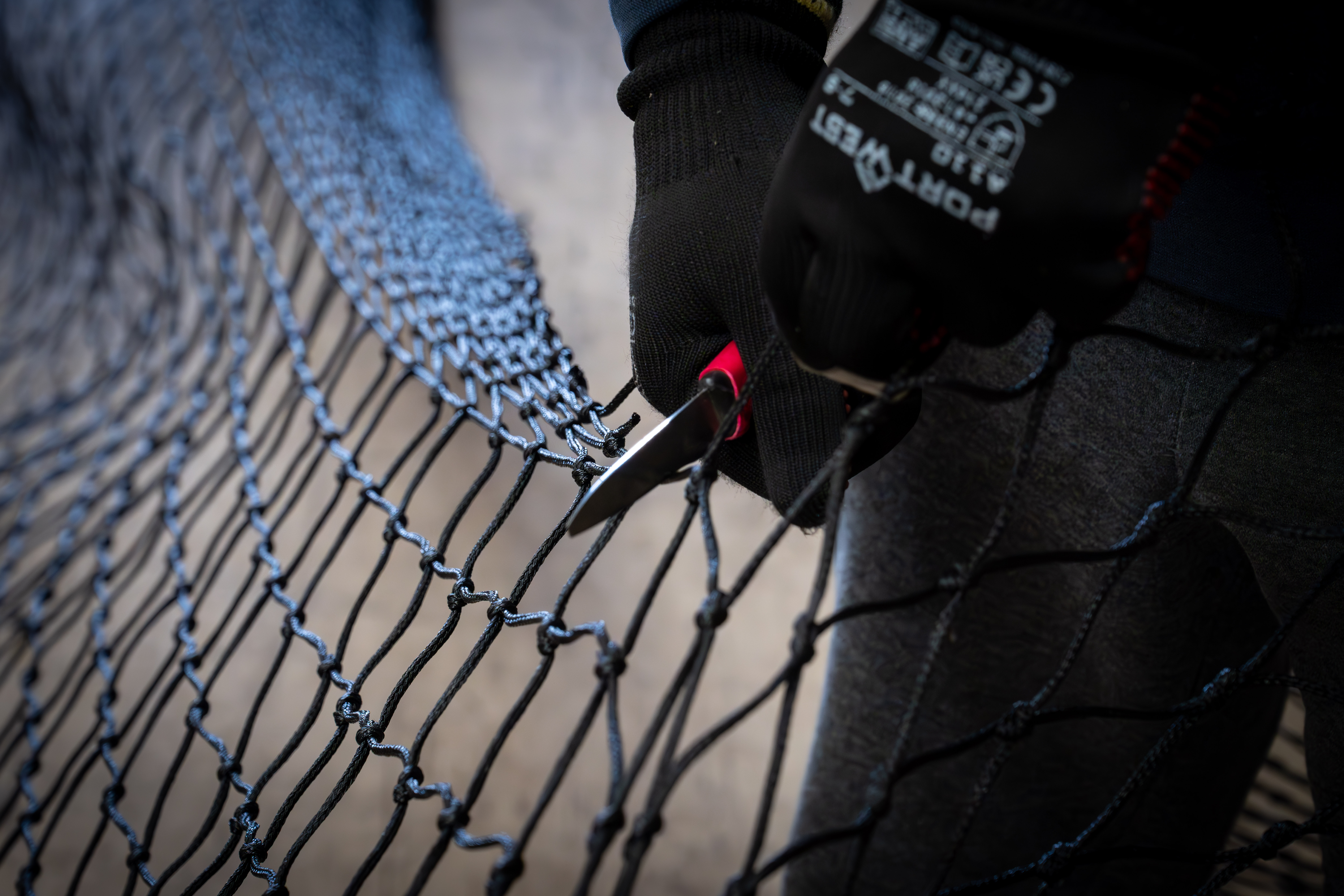
The most obvious sign of wear is physical damage. Even small holes or tears can compromise the function of your netting, particularly in safety or barrier applications. A tiny tear can quickly grow under tension or weather exposure, leading to complete failure.
For sports clubs, this might mean golf balls escaping the range or footballs breaching boundary areas. In fisheries or industrial settings, torn netting could allow debris or equipment to pass through where it shouldn’t. Regular visual checks, ideally before each use, can catch these issues early. If you notice consistent or expanding holes, it’s time to replace the netting before it causes bigger problems.
2. Material Degradation: Fraying and Brittleness
Over time, exposure to UV light, moisture, and temperature changes weakens synthetic fibres. Netting that once felt flexible and strong can become dry, brittle, and prone to snapping. If the mesh frays when touched or begins to unravel at the edges, it’s a clear indicator of material breakdown.
Frayed or brittle netting doesn’t just look worn – it loses its tensile strength. This means it can no longer absorb impacts effectively, making it unsafe for use in sports environments. If you can easily pull strands apart or notice discolouration from fading or UV damage, it’s best to schedule a replacement rather than risk a failure during use.
3. Sagging and Structural Weakness
Another common warning sign is sagging. Properly tensioned netting should retain its shape and firmness, ensuring consistent performance. Sagging usually develops over time as fibres stretch or anchor points weaken.
Loose netting is not only ineffective but can also present safety risks. In golf or cricket nets, sagging can cause balls to rebound unpredictably, increasing the risk of injury. In partition or barrier applications, it can reduce containment, creating operational hazards.
If adjusting or tightening the fixings doesn’t restore proper tension, it’s likely that the netting itself has lost its structural integrity and needs replacing.
4. Damaged or Weakened Anchor Points
The points where netting connects to frames, posts, or cables are often the first areas to show signs of wear. Continuous pressure, vibration, or environmental exposure can cause fraying or stretching at these stress points.
Inspect attachments regularly for loose fittings, corrosion, or tearing around eyelets and ropes. A secure attachment system is just as crucial as the netting itself, as even high-quality mesh will fail if it’s not properly supported. Replacing or reinforcing these points when damage appears can extend the lifespan of your netting, but if degradation is widespread, a full replacement is usually the safest choice.
5. Reduced Effectiveness and Performance
The ultimate test of your netting is whether it still performs its intended job. If sports balls escape, spectators are at risk, or equipment isn’t properly contained, then the netting is no longer doing its job – no matter how minor the visible wear seems.
For facilities that rely on safety netting, such as golf clubs, cricket grounds, and training academies, performance failures can lead to injury or liability issues. Regular testing and assessment help ensure the netting continues to perform under real-world conditions. If any loss of containment occurs, it’s time for replacement without delay.
Why Timely Replacement Saves Money and Improves Safety
Waiting until netting fails can be costly. Emergency repairs or last-minute replacements are often more expensive than planned maintenance. Damaged property, interrupted sessions, or potential injuries all add to the expense – not to mention reputational risk for sports facilities.
Replacing netting before it reaches critical wear ensures continuous safety and reliability. It also allows organisations to budget effectively and plan replacements during off-seasons or maintenance periods, minimising disruption.
High-quality replacement netting, when installed correctly, offers renewed performance and peace of mind, keeping your operations safe and compliant with safety standards.
Keeping Your Netting in Top Condition
Regular inspection and maintenance are the best ways to extend the lifespan of your netting. Establish a simple routine:
Check for holes, fraying, or brittleness at least once a month.
Test tension and anchor points regularly.
Clean debris and dirt to prevent fibre breakdown.
Replace sections or full systems as soon as deterioration appears.
By following these straightforward steps, sports clubs and industrial users can ensure their netting continues to perform safely and effectively for years to come.
Final Thoughts
Knowing how to spot when your netting needs replacing isn’t just about maintenance – it’s about safety, efficiency, and protecting your investment. Regular checks and timely replacements keep facilities running smoothly and prevent accidents before they happen.
If you’ve noticed any of these warning signs or think your netting might be due an upgrade, call Renco Nets today on 01469 575 804. Our friendly team can provide advice, supply high-quality replacement netting, and help you find the right solution for your facility.