07 January 2026 | Total Construction Training Ltd
What NRSWA Operatives Do: A Complete Guide
NRSWA operatives are skilled professionals who have completed NRSWA operative training and now play a vital role in keeping our roads, streets and public utilities safe and functional. Working under the umbrella of the New Roads and Street Works Act 1991 (NRSWA), these operatives are responsible for tasks such as inspecting, maintaining and repairing highways, pavements and underground utilities.
Their work ensures that traffic flows smoothly, public services remain uninterrupted and the infrastructure we rely on every day stays in top condition. NRSWA operatives are essential for both planned maintenance and emergency repairs, making them a crucial part of urban and rural infrastructure teams.
If you’re interested in pursuing this career, understanding the role and its responsibilities is the first step. This guide outlines exactly what NRSWA operatives do and directs you through the necessary qualifications and steps to start your journey in this important field.
What Is an NRSWA Operative?
An NRSWA operative is a trained professional in the construction industry who performs street works. Examples of these street works can include anything from excavation to backfilling and reinstatement. They are skilled in the physical work involved in utility and road maintenance projects. The NRSWA 1991 outlines much of their role and requires workers to complete NRSWA operative training to ensure that they, their colleagues and any potential nearby members of the public are kept safe from harm during works. This is an important role to keep the infrastructure of the country at a high and consistent level of quality.
What Do They Actually Do?
An NRSWA operative ensures that any work that takes place on a form of public highway is completed to high levels of safety standards. This is not just to protect the workers, but also to protect any members of the public passing by and prevent any damage to local utilities. By following these stringent health and safety regulations, disruption to day-to-day tasks will be minimised. This could involve anything from manning signs to helping with the flow of traffic, locating any potential hazards and then completing the work itself.
1. Excavation and Digging
NRSWA operatives carry out precise excavation work for road maintenance, utility repairs and installation projects. This includes locating potential hazards, digging trenches or holes for pipelines, cables and other infrastructure. Accuracy is key to avoiding existing utilities and ensuring that the groundwork is safe and compliant with safety standards.
2. Reinstatement of Highways
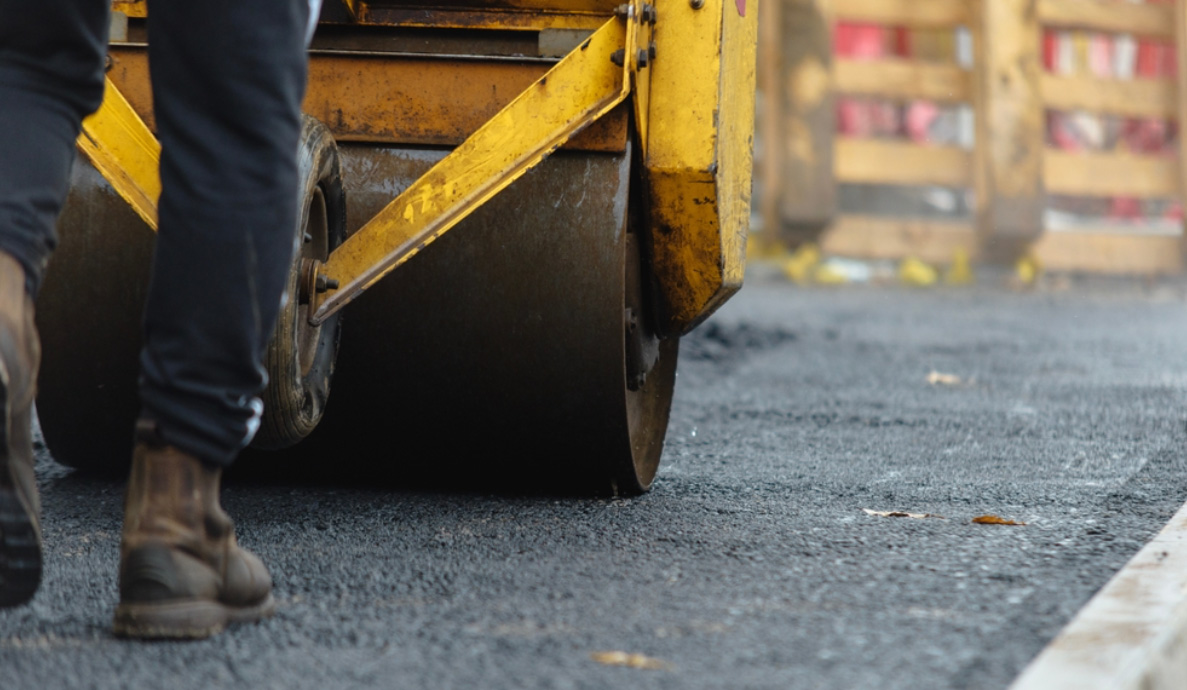
After work is completed, operatives will then restore roads and pavements to their original condition. This involves resurfacing, compacting and repairing any disturbed areas to ensure safety compliance with local authority standards. Proper reinstatement helps prevent accidents and keeps the public highway fully functional.
3. Setting Up Safe Work Sites
Those who have completed NRSWA operative training can establish clearly marked, secure work zones to protect both the workforce and the public. This includes placing barriers, signage and traffic management systems. Correctly set-up sites reduce accidents, allow efficient workflow and ensure compliance with various health and safety regulations.
4. Working Around Underground Utilities
NRSWA operatives frequently work near buried gas, water, electricity and telecom lines. They must identify and navigate these utilities safely to prevent damage or service interruptions. This will be done by following precise plans and guidelines that NRSWA operative training courses will teach.
5. Ensuring compliance with NRSWA Legislation
All street works must comply with the New Roads and Street Works Act. Operatives will have been taught to follow legal requirements for permits, reporting and standards to ensure that all works are regulated and auditable. Compliance protects the public and ensures the integrity of the highway network.
6. Communication and Teamwork
NRSWA operatives coordinate with colleagues, contractors and utility providers to complete projects efficiently. Clear communication and teamwork skills are essential to manage workflow, maintain safety and ensure that tasks are completed on time and to specification.
Who Do NRSWA Operatives Work For?
Those who have completed NRSWA operative training can take that qualification and their valuable knowledge into a wide variety of different sectors and industries.
· Local Government Bodies: Authorities responsible for the upkeep and maintenance of public roads and highways
· Utility Providers: Organisations managing gas, water, electricity and telecommunications infrastructure
· Construction and Civil Engineering Companies: Firms undertaking large-scale projects that require NRSWA-certified personnel
· Specialist Contractors: Businesses focusing on areas such as traffic management, drainage, groundworks or fencing that operate near public highways
· Landscaping and Arboriculture: Teams, including tree surgeons, will need NRSWA qualifications when working on or adjacent to public roads
Why Are They Essential for Our Road and Street Maintenance and Repairs?
Trained NRSWA operatives are an essential ingredient for safe, efficient and compliant street works. Without them, maintenance and repair tasks would be completed in an unsafe manner, poorly coordinated and more likely to damage vital utilities such as gas, water and power lines.
The training course ensures that roadworks meet legislative requirements while minimising disruption to traffic and the public. By coordinating work effectively and applying industry-standard practices, NRSWA operatives keep roads safe and utilities running smoothly. Their role is crucial for maintaining the reliability of our public infrastructure and ensuring that streets and highways remain functional for everyone.
What Skills Do I Need?
To pass the NRSWA operative training, a combination of practical and interpersonal skills will be essential. A strong awareness of health and safety procedures will ensure that all street works are carried out safely and in compliance.
Practical, hands-on skills are also desirable to handle tools, equipment and materials effectively, while the ability to follow technical plans accurately is also crucial for completing tasks correctly.
This kind of work is rarely a solo outing, so good teamwork and communication is a must. You will also need a reasonable level of physical fitness to manage the demands of working outdoors in varying conditions.
How Do I Become an NRSWA Operative?
The short answer is to book your NRSWA operative training today, but the longer answer is that the five-day course on offer at Total Construction Training is a crucial part of it. Provided at our Bromsgrove training centre, enrolling on this course will teach you all of the details that are crucial to completing this important role in real-world situations, taught by experienced instructors with practical knowledge. Call 0800 999 3990, email info@totalconstructiontraining.co.uk or fill in our contact form for more information on the next step on the ladder of your career progression.
Book Your Training Today
Total Construction Training is dedicated to making knowledge accessible to all who want to learn. Passing NRSWA operative training is essential for safely carrying out street works on public highways. Without the required qualifications, you cannot legally perform street works near or on roads.
If you’re ready to start your journey as a certified NRSWA Operative, book your course today with Total Construction Training. We offer training centres in Bromsgrove and Redditch in the West Midlands, as well as a centre in Warrington, Cheshire.