03 February 2026 | Active Garden Ltd
The Role of Outdoor Play in Reducing Screen Time
Screens are now a part of everyday life for most children. Tablets, smartphones, TVs and gaming consoles are often used for entertainment, education and even social interaction. While technology has its place, many parents, schools and organisations are increasingly concerned about how much time children spend indoors and inactive.
One of the most effective ways to naturally reduce screen time isn’t strict limits or constant reminders — it’s making outdoor play more appealing than screens.
Why Screen Time Has Become a Challenge
Modern family life is busy. Screens are convenient, weather-proof and instantly engaging. However, excessive screen time has been linked to:
Reduced physical activity
Shorter attention spans
Disrupted sleep routines
Fewer opportunities for social and imaginative play
This doesn’t mean screens are “bad”, but balance is key — and outdoor play plays a vital role in achieving it.
Why Outdoor Play Works So Well
Children are naturally drawn to movement, exploration and challenge. When outdoor spaces are engaging and well-designed, they offer something screens can’t replicate: full-body, real-world experiences.
Outdoor play:
Encourages physical movement and coordination
Supports social interaction and teamwork
Builds confidence through risk-taking and problem-solving
Allows children to unplug mentally as well as physically
When outdoor play is exciting, screen time often reduces on its own.
How Quality Play Equipment Encourages Active Play
Not all outdoor play areas are equally engaging. Thoughtfully designed, high-quality play equipment can transform a garden, school or commercial space into a place children genuinely want to be.
1. It Creates Challenge and Adventure
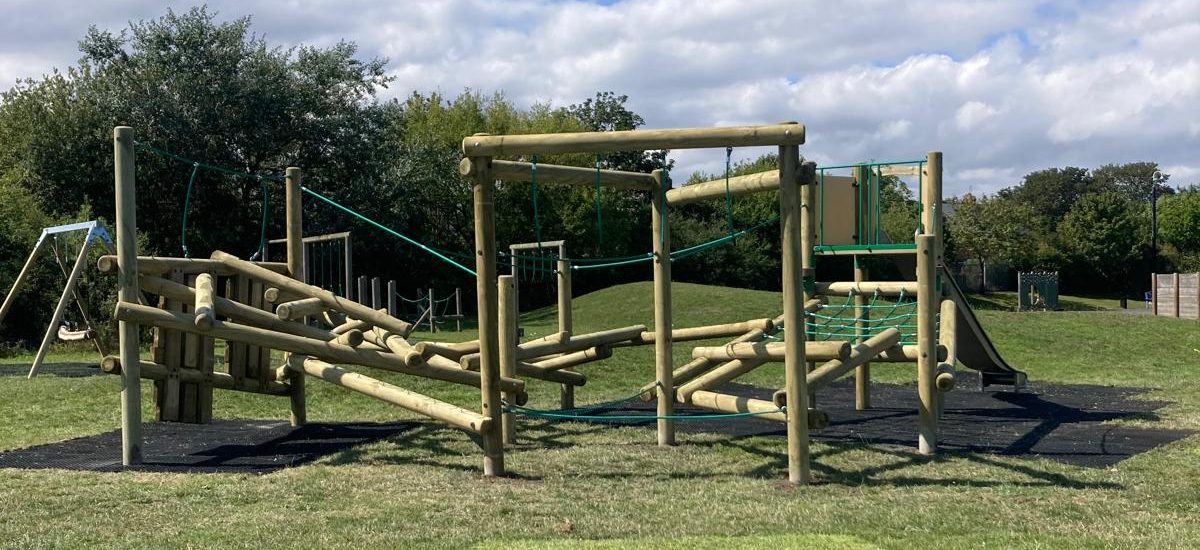
Climbing frames, clamber stacks and adventure trails give children goals to work towards — reaching the top, balancing across obstacles or completing a route. This sense of achievement keeps them coming back for more.Zio clamber stack
2. It Supports Different Play Styles
Slides, swings and trim trails cater to a range of ages and abilities, allowing children to choose how they play. Some may enjoy energetic climbing, while others prefer swinging, sliding or imaginative games.
3. It Encourages Longer Play Sessions
When children are engaged physically and mentally, they tend to play for longer periods outdoors. A well-equipped play area can turn “just five minutes outside” into an hour of active play.
4. It Makes Outdoor Time Social
Outdoor equipment naturally brings children together. Whether it’s taking turns on a swing or inventing games around a climbing frame, social interaction often replaces solo screen use.
From Screens to Skills: The Hidden Benefits
Reducing screen time isn’t just about being less sedentary — it’s about what children gain instead.
Outdoor play helps develop:
Strength, balance and coordination
Communication and cooperation
Creativity and imaginative thinking
Resilience and confidence
These skills are difficult to build through screens alone.
Making Outdoor Play More Inviting
For families, schools and businesses looking to encourage more outdoor play, a few simple considerations make a big difference:
Choose equipment suited to the age range using the space
Allow enough room for free movement and safe play
Create variety with climbing, balancing and sliding elements
Ensure equipment is durable, safe and low-maintenance
When outdoor areas are attractive, children will choose them over screens more often than you might expect.
A Healthier Balance Starts Outdoors
Reducing screen time doesn’t have to feel like a battle. By investing in engaging outdoor play equipment and creating inviting spaces, children are naturally drawn away from devices and into active, imaginative play.Whether in a family garden, school playground or commercial setting, outdoor play areas give children a reason to switch off — and get moving.Posted in UncategorisedPost navigation Previous
