10 February 2026 | TAWI UK
Manual Lifting vs Smart Lifting: Safer, Smarter Workplaces in the UK | TAWI UK
Manual lifting is still common in UK warehouses, factories and logistics hubs, but it brings hidden costs: injuries, fatigue and lost productivity. Smart lifting – using ergonomic lifting aids – is increasingly the standard for businesses that want to protect people and performance. For UK employers, moving from manual lifting to smart lifting is a strategic step towards a safer, more efficient and more sustainable modern workplace.
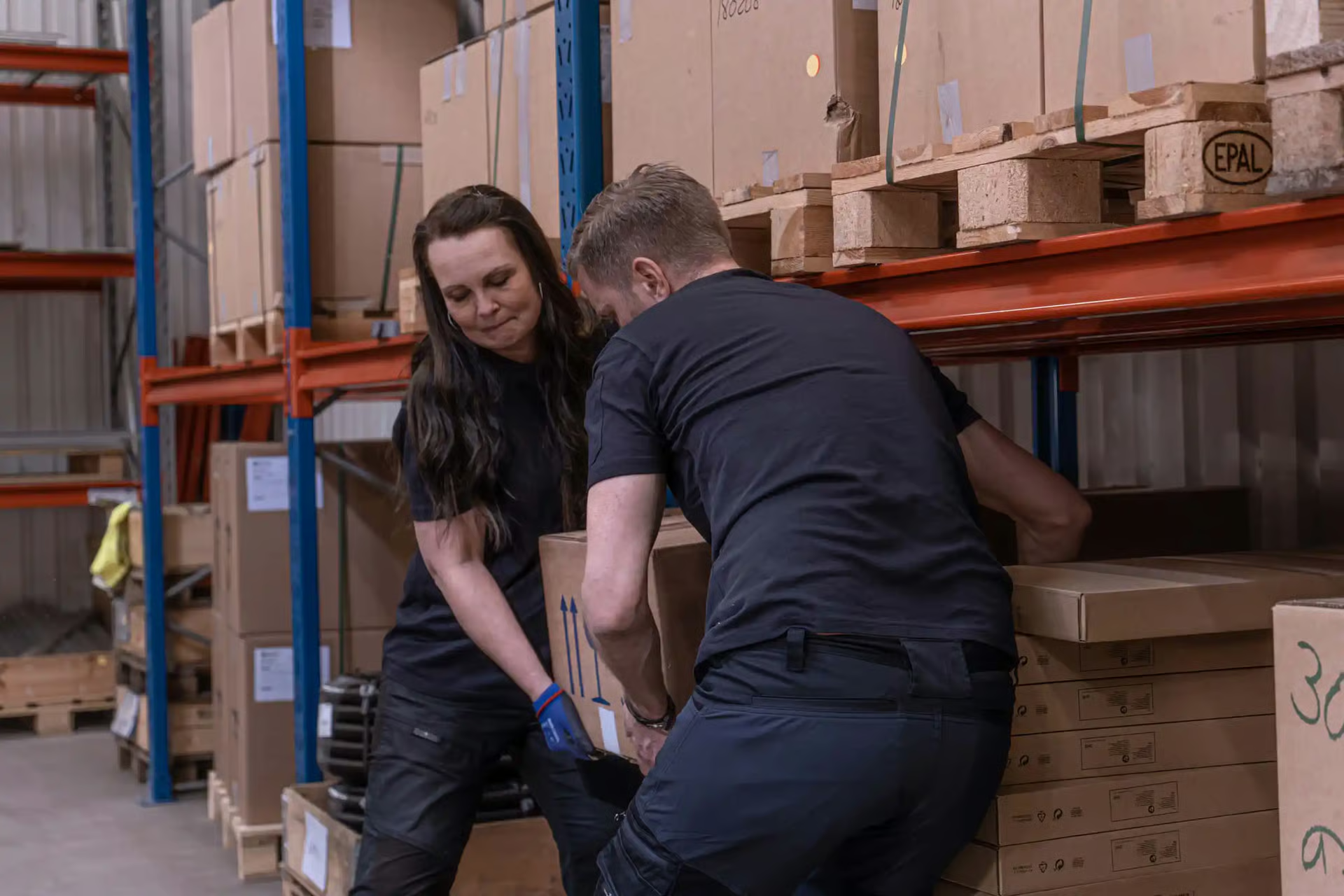
Manual lifting involves using the body to lift, carry, push or pull loads with little or no mechanical help. It appears across logistics and warehousing, manufacturing and engineering, construction and building materials, and food and beverage production. Typical tasks include lifting boxes, moving products from pallets to conveyors, stocking shelves and handling awkward loads that are hard to grip. Repeated over a shift, these tasks place significant strain on the body.
Routine manual lifting can lead to back, shoulder and joint strain, as well as repetitive strain injuries and chronic pain. Over time, these problems reduce work capacity and can affect staff wellbeing, absence levels, overtime costs and the ability to retain experienced workers, especially in physically demanding roles.
Smart lifting uses ergonomic equipment to assist or automate lifting tasks so the load is carried by the technology rather than the worker. Common smart lifting solutions include vacuum lifters to grip and raise loads with minimal effort, hoists and cranes to move heavy or bulky items safely, and lifting trolleys or simple conveyor systems to reduce carrying and pushing. These solutions are tailored to specific loads, from boxes and bags to reels, drums and panels, and can usually be integrated into existing workflows with minimal disruption.
The key benefits of ergonomic lifting equipment are both human and operational. By reducing physical strain, smart lifting helps workers stay comfortable and productive throughout the shift, which supports long-term health and job satisfaction. Fewer lifting-related problems also mean fewer unplanned absences, less need for temporary cover and more stable staffing. When heavy lifting is supported by equipment, roles become accessible to a wider range of people, regardless of age, size or previous injuries, which supports diversity and makes it easier to retain skilled employees. At the same time, smart lifting often speeds up tasks such as loading, unloading and palletising, so processes become more consistent and there are fewer delays caused by fatigue or improvised team lifts.
In practice, many UK businesses in food production, cold chain logistics, parcel distribution and general warehousing now use ergonomic lifting equipment to reduce strain during frequent lifting cycles, standardise handling methods across shifts and sites, and improve morale by making tough jobs more manageable. Well-designed systems are intuitive to operate and can usually be adopted with only short, focused training sessions.
Continuing with high levels of manual lifting is risky for both people and productivity. Smart lifting provides a practical way to prevent injuries, support healthier careers, reduce disruption and hidden labour costs, and improve the consistency, speed and quality of handling. Manual lifting may be common, but that doesn’t make it safe or sustainable. Smart lifting technology—like TAWI vacuum lifters—empowers businesses to safeguard their workers, streamline operations and foster inclusive, long-term careers.