26 March 2026 | Williams & Associates
The Importance of Regular Basic Life Support
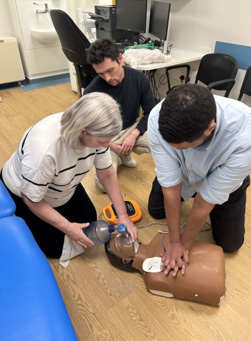
The importance of regular Basic Life Support (CPR & AED) training was shown again this week whilst delivering at Abernathy Surgery in Enfield.
We have taught their clinical and non-clinical staff for the past 4 years. They told me that 2 months ago, a patient collapsed in the waiting room.
Everything that needed to happen, happened:
• Reception staff called 999 while a doctor assessed the casualty
• Cardiac arrest was recognised, communicated to control, and CPR was started immediately
• Other team members collected the AED and oxygen, working together as a team
• 2 shocks were delivered, and the casualty was breathing (and has since made a full recovery) when paramedics arrived
I spoke with the staff involved. They were happy to talk it through and take part in the training again. Crucially, they said the repetition and hands-on nature of the training meant people knew what to do, without needing to be told.
The importance of annual Basic Life Support training cannot be overstated for clinicians. But these sessions can be tailored to any workplace.
The skills are simple - and as shown by Abernathy Surgery, they save lives.