13 April 2026 | Western Mechanical Handling UK Ltd
The Next Generation of Barcodes: Preparing for the 2D Revolution
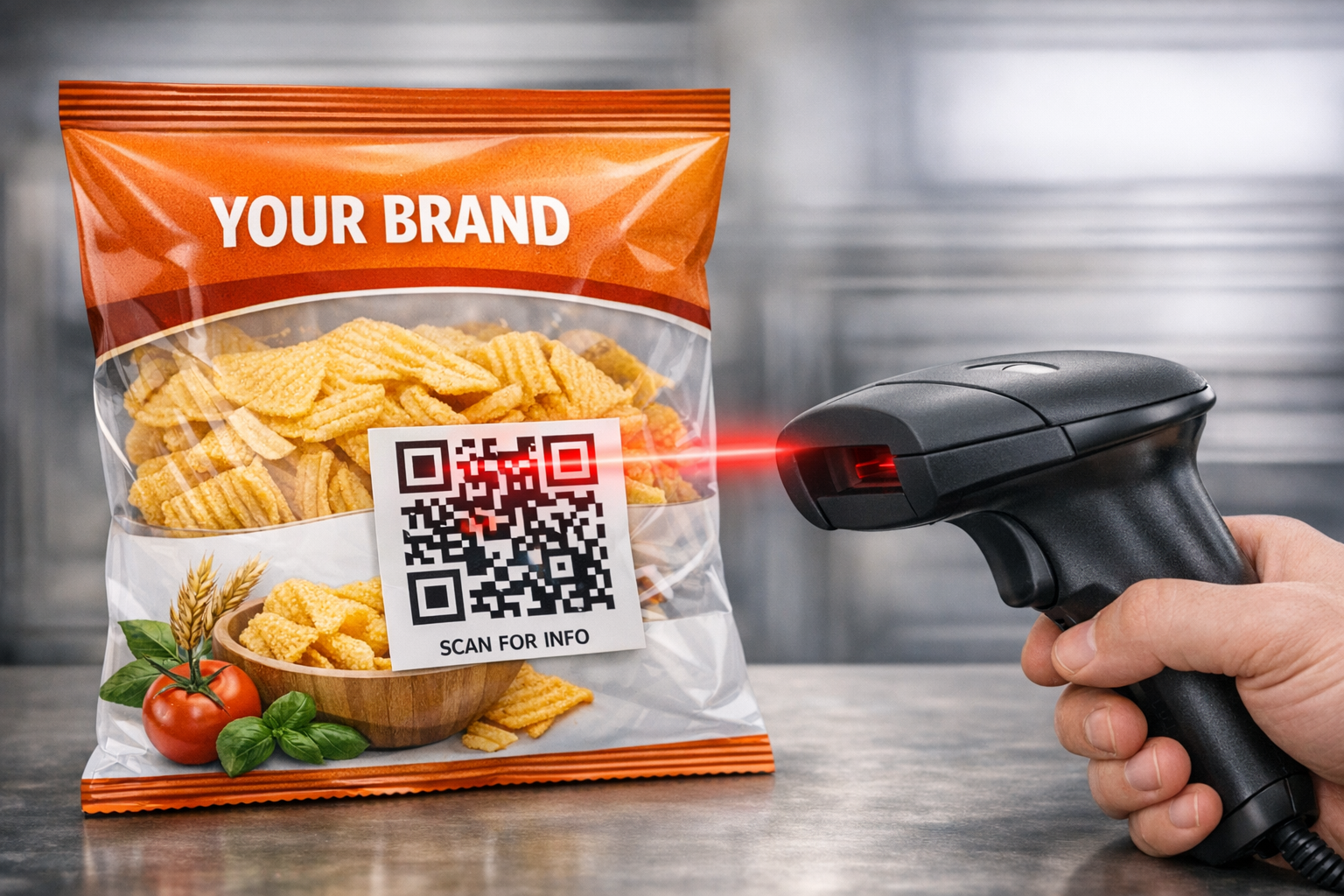
The shift from traditional barcodes to 2D QR codes is transforming product packaging and retail scanning. As these data‑rich codes become standard by 2027, manufacturers must ensure accuracy and print quality. Robust integrity checking helps prevent mislabelled products, protects consumers, and reduces the risk of costly recalls and reputational damage.
The barcode has been used on consumer packaging for over 50 years and has been a vital element in streamlining checkout scanning for almost as long. In recent years the barcode has also given the consumer the choice of self-service check-outs. The information held in standard barcodes is limited to product identification information. While this is useful there is a whole raft of additional information that could be included to help consumers and retailers.
Worldwide Plan
The barcode landscape is, however, evolving with the transition to 2D, QR style barcodes. By the end of 2027 there is a worldwide plan for the adoption and ability to scan 2D QR style codes at point of sale.
Why the Change?
2D barcodes can contain a huge amount of information whilst still maintaining a small overall footprint that fits onto consumer goods packaging and labelling. These codes will also be scannable by consumers who are demanding more and more information about products that helps with their buying decisions.
All this has implications for the manufacturers of consumer products, who will over the next 12 months, need to begin the transition from barcodes to QR codes on their packaging. With this comes the need for accurate information and high-quality codes the need for integrity checking of the codes before they leave the factory.
Integrity Checking of Codes
For several years WMH has been building and integrating QR code scanning systems to check for code consistency and for data recording. With a universal roll-out of the requirement to move to QR codes, we are well placed to adapt our scanner to integrate alternate scanners which will check QR codes to ensure the information contained and the print quality are accurate before products leave the factory.
Low quality codes and inaccurate information will lead to fines and chargebacks from the retailers and potentially puts consumers at risk if allergen and expiry date information captured in the codes is inaccurate or un-readable.
360º View
The WMH inline scanner incorporates multiple cameras into one compact inline unit. The data from the cameras are combined into a single image to provide a 360º view of the product to guarantee that the code is read. The system will check the code for integrity and accuracy. The unit can be integrated with a product reject system to remove the occasional failed product from the line, or for more serious defects, the line can be stopped to enable operators to rectify the problem before resuming production.
Product Recalls
As product labelling issues continue to grow and remain the leading cause of recalls, investing in integrity checking is a practical step. It reduces the risk of mislabelled products reaching consumers and helps avoid expensive recalls that can harm reputation and profitability.
In Summary
The shift to 2D codes brings new opportunities, but also new responsibilities. By putting robust integrity checks in place now, manufacturers can stay ahead of regulations, avoid unnecessary recalls, and deliver the level of accuracy and transparency that today’s market expects.