Inert Gas Curing
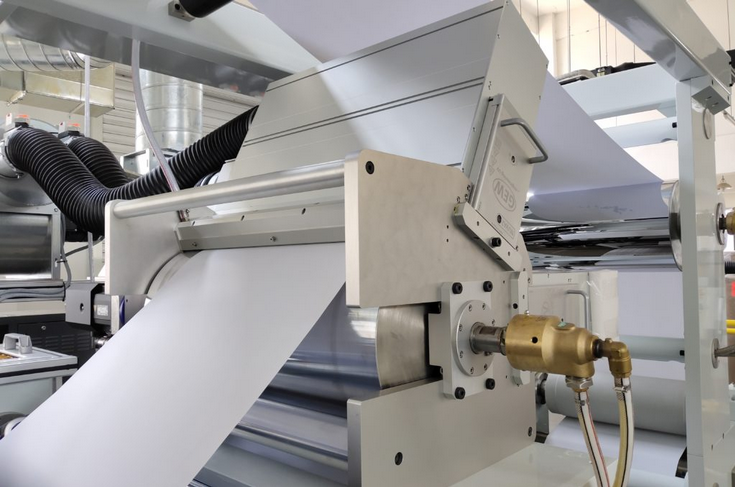
Under normal atmospheric conditions, oxygen reacts with photoinitiators in the ink after they are exposed to UV light. This renders some of them inactive and limits the extent of polymerisation that can occur. The coating is then poorly cured or the process is forced to run much slower. This is where inert gas curing comes into play.
Curing under an inert atmosphere eliminates oxygen and significantly increases the rate and extent of cross-linking. Curing speeds are greatly improved, migration of harmful materials is reduced and the finished product odour is better.
Other Products and Services from GEW (EC) Ltd
UV Control Systems
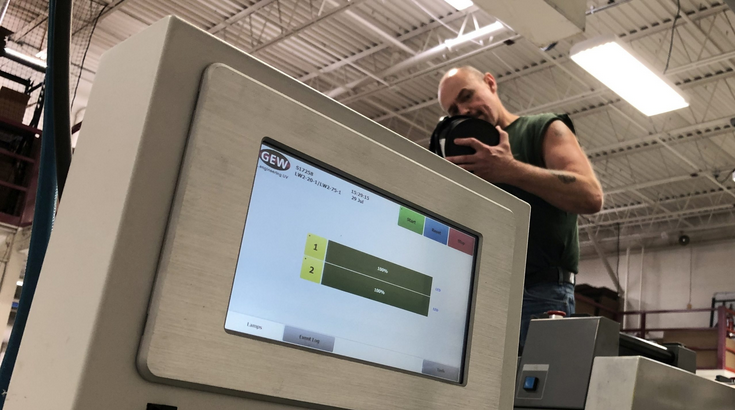
GEW UV systems are controlled by a combination of user commands and settings (entered on a modern industrial touchscreen), as well as machine signals which are either hardwired or electronically communicated to the GEW RHINO power units. GEW’s proprietary RHINO software is able to handle a vast array of common industrial control interfaces from simple relay logic to web-based APIs.
The HMI itself has a simple user interface for operating all key parameters on up to 16 lamps simultaneously, customised for each specific machine configuration. Optional accessories such as GEW’s UV monitoring or inert gas chambers are also controlled through the same user interface. It can be mounted freestanding in any location on or around the press or bevel mounted for seamless integration in machine panels.
OxyGuard
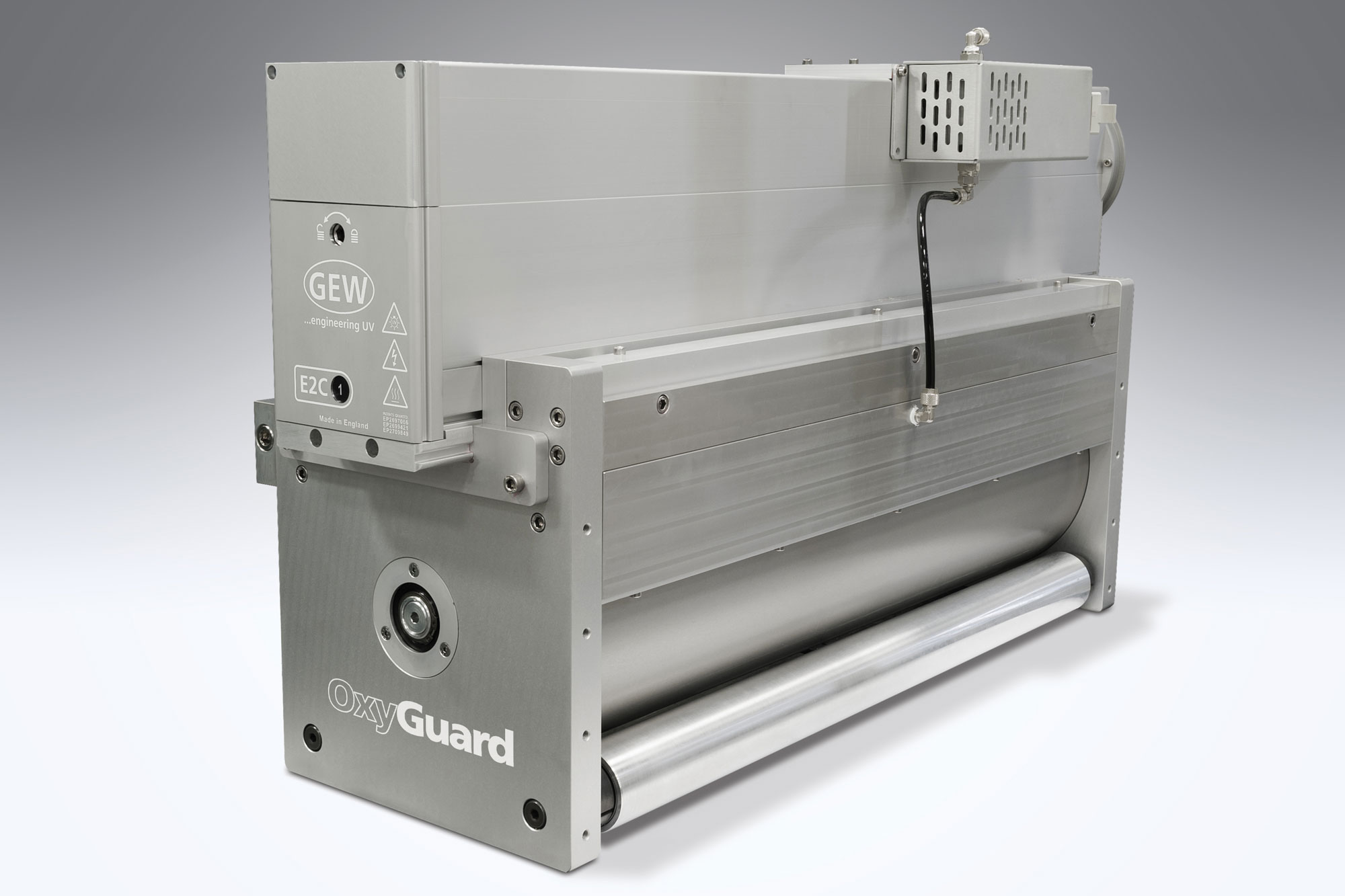
OxyGuard is GEW’s next generation oxygen control system. It consists of an innovative new inert gas chamber and revolutionary control software for precision control of oxygen concentration. OxyGuard is ideal for low migration/odour printing, siliconisation and other high performance applications.
Closed loop control
OxyGuard features a radically improved closed loop control functionality. Oxygen set points are rapidly achieved and maintained to within ~±10%, even with different materials or coatings. Chamber O2 concentration and flow rates are clearly displayed on the HMI. The innovative control ensures no spikes of oxygen concentration, even during rapid machine acceleration. User adjustable warning and error bands are graphically represented on the HMI and can be outputted via digital I/O if levels are exceeded for an adjustable time period.
Job reporting
OxyGuard includes a means of recording live system curing performance data. Oxygen level (ppm), UV intensity and any warning and fault conditions that occur are recorded and timestamped.
For compliance or GMP (e.g. EC Regulation No. 2023/2006), data can be exported via GEW API for OEM integrations or via an email report, triggered via the HMI ‘Job logging’ function.
The benefits of OxyGuard
- Achieves precision oxygen ppm control with custom set points from 30-10,000ppm
- Closed loop control algorithm rapidly achieves set points and minimises inert gas usage
- Custom designed chambers support all GEW lamp models and widths, and any quantity of lamps per chamber
- Chambers can be on rollers, straight through web paths or mounted on conveyors
- A radically improved user interface makes operator monitoring and adjusting of the curing process easier than ever before
- Enhanced user-set alarm and warning outputs are available, to enable simple process compliance
How it works
Ambient oxygen reduces the effectiveness of UV curing in many inks and coatings. The OxyGuard system overcomes this, by reducing oxygen concentration at the point of curing. A chamber, with inlet and outlet slots, is constructed around the material and an inert gas, usually nitrogen, is pumped in to displace the air and maintain a target oxygen level. A quartz window in the chamber allows the UV lamp to be mounted outside the chamber and shine through to irradiate the ink / coating. Oxygen levels in the chamber are monitored by an oxygen sensor. A closed loop algorithm precisely adjusts the flow of inert gas to the chamber to maintain target oxygen ppm as the material moves through the chamber.
Substrate Cooling
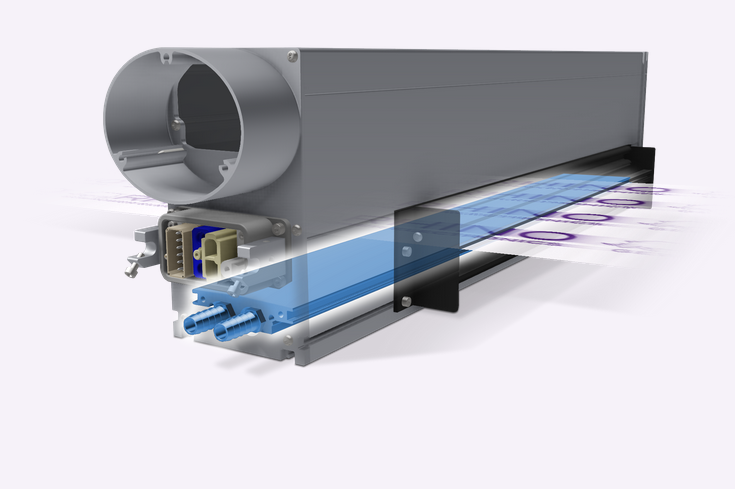
The UV curing process is energy-intensive and causes both direct and indirect heating of the target substrate, which in the majority of cases needs to be controlled. For safety reasons, some form of barrier behind the target substrate to shield off and dissipate stray radiation from the lamp is essential for protecting the machine and its operators. The three most common methods of substrate cooling that meet both of these requirements are:
Air cooled heatsinks
Water cooled heatsinks
Water cooled chill rollers
Where roll material is being processed, the most common solution for this is an extruded aluminium heatsink plate. GEW have a very neat solution for this which is integral to the UV lamphead and can be either air or water cooled, depending on the application. For the majority of processes this method is very effective, unless very heat sensitive materials are being used.
GEW (EC) Ltd
Crompton Way, Crawley, West Sussex, RH10 9QR, United Kingdom
GEW (EC) Ltd designs and manufactures Arc and UV LED curing systems for printing, coating and converting applications. GEW is the leading manufacturer of UV curing systems for a range of markets, including narrow web label printing, offset printing, UV hot melt, wood coating and much more.