Geotechnical Assessments
Geotechnical Assessments
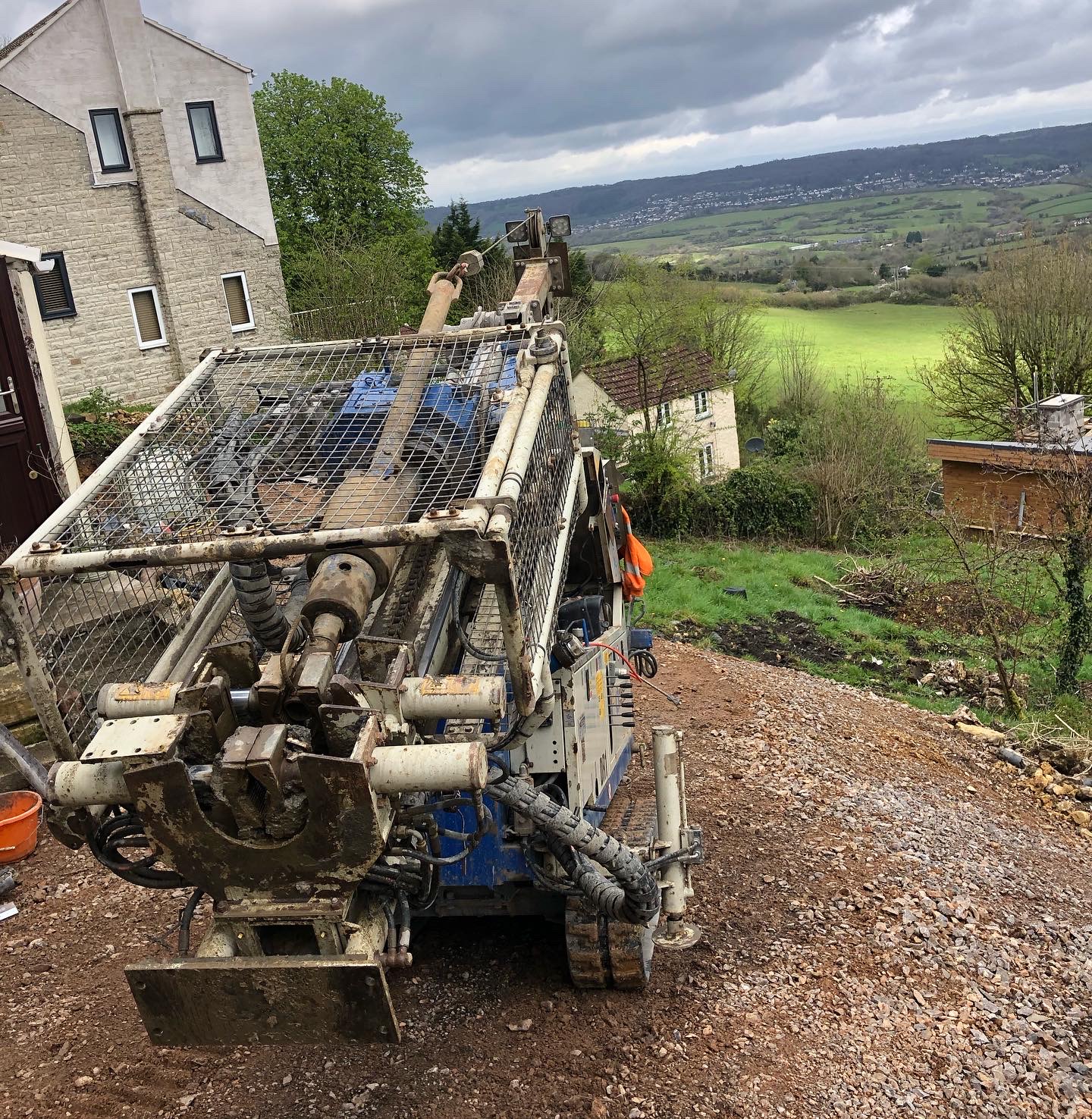
Here at TEC, we can design and undertake a range of site investigations and geotechnical assessments. Our aim is to always provide practical and economical ground engineering solutions for any project.
Geotechnical Site Appraisals (Desk Studies)
We can provide an initial appraisal of the potential risks arising from the ground conditions at a site. This can highlight any liabilities or significant costs associated with the purchase and development of a site.
A geotechnical desk study has many similarities to a contaminated land desk study. This report will compile background information relating to a sites geology and ground stability to provide a preliminary assessment of potential geotechnical issues.
A walkover survey of the site establishes whether there is evidence of ground movement that could impact a development.
Information from the desk study can inform the design of a site investigation to further assess any potential risk.
Foundation Design
From a ground investigation at a site, information on the geology can inform the most appropriate foundation solution.
In-situ soil and rock strength data obtained during the site investigation aids the development of a ground model. Data from the geotechnical laboratory can also be input into this model.
There are many different types of foundation that may be appropriate for a development. Conventional strip/pad footings may be suitable depending on the shallow ground conditions. Alternatively, if the ground is poor, then rafts or even piles may be necessary depending on the proposed structure.
Analysis of the ground model allows for the determination of the most appropriate type of foundation type. Ensuring that the soil has sufficient bearing capacity is vital in guaranteeing the long-term stability of a structure.
It is important to also assess how susceptible a soil is to settlement. This ensures that a structure remains serviceable throughout its lifetime. Failure to consider the potential for settlement can lead to subsidence and corresponding structural instability.
Slope Stability Assessment
The failure of a soil or rock slope can have serious implications. An assessment of the slopes stability is important if proposing to build in proximity to the slope crest.
Such an assessment usually involves an intrusive ground investigation to establish the underlying ground conditions. From this information, software analysis can assess the slopes condition and likelihood of failure.
There are many different ways to stabilise a failing slope. These can include changes to the slope angle, drainage works or reinforcement with bolts and anchors.
Soakaway Testing
A soakaway is a common method of disposing surface water runoff to the surrounding natural soils. Permeability testing to assess the water storage capacity of the surrounding soils is the first step in soakaway design.
There are several different methods to test the suitability of soakaways and foul water drainage systems. These include BRE Digest 365 tests, as well as percolation tests to NHBC and British Standards.
TEC have expertise in all of these methodologies, as well as the construction and testing of deep borehole soakaways.
Other Services
TEC can also provide a number of other geotechnical services, including but not limited to:
- Earthworks testing and classification. These tests assess the suitability for re-use of site won materials.
- Coal Mining Risk Assessments.
- Non-Coal Mining Risk Assessments.
- Solution Features Risk Assessments.
Other Products and Services from TEC | Tweedie Evans Consulting Ltd
Coal Mining Risk Assessments
What is a Coal Mining Risk Assessment?
A coal mining risk assessment (CMRA) assesses the risk to a new development from historic coal mining activities.
Across the UK, there are over 40 different coalfields with well over 20,000 known historical collieries. The Coal Authority consider approximately 15% of these coalfields to be 'Development High Risk Areas'.
These high-risk areas have historical coal mining features with the potential to cause instability at the surface.
Within a high-risk area, a CMRA establishes if historical mining poses a risk to your specific site.
Why do you need a CMRA?
The Coal Authority is a statutory consultee on planning applications.
Therefore, a coal mining risk assessment will be essential for any proposed developments within a high-risk area.
In these high-risk areas, local councils may refuse or delay any application submitted without a CMRA.
Risks of historical coal mining:
There are numerous potential hazards that could be present on a site as a result of the UK's coal mining legacy.
These include:
- Abandoned shafts or historical mine entry points.
- Outcrops of workable coal seams.
- Historical shallow coal mine workings.
- Historical opencast (surface) mine workings.
- Geological faults and fissures.
- Mine gas emissions.
- Coal mining related subsidence.
- Coal spoil tips.
Assessment stages:
- Site Location - Is the site in a coal mining high risk area?
- Desk Study - Collect information from the Coal Authority to assess the possible risks associated with a site.
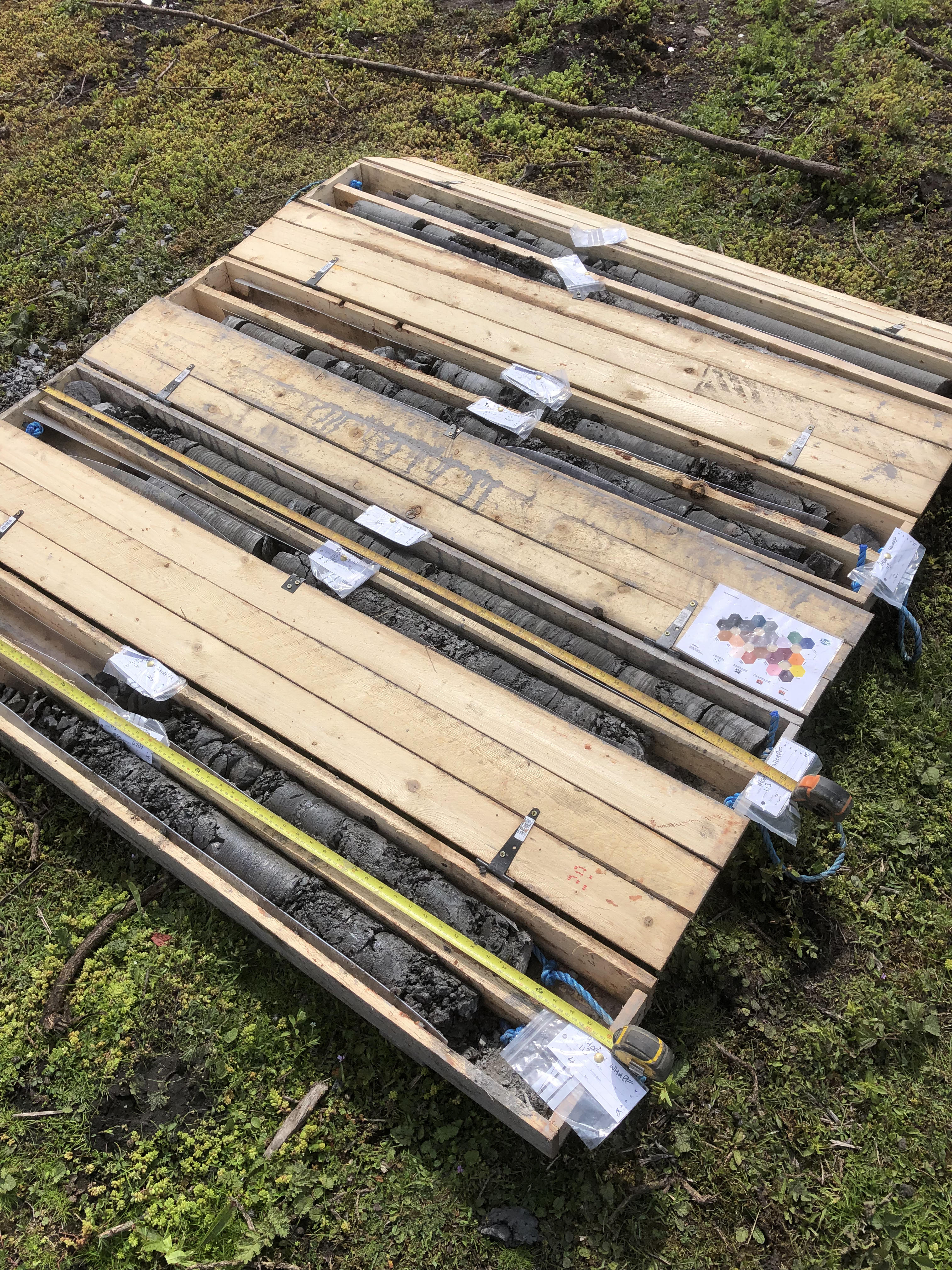
- Intrusive Investigation - If required, drill boreholes to assess if there are coal seams/shafts present beneath a site.
- Remediation - e.g. The stabilization of historical shafts through grout injection. Watching brief during site strip process to check for evidence of historical workings.
How much does it cost?
A desk based CMRA typically ranges in price from £1000 to £1500 depending on the size of the site.
More detailed intrusive investigations can vary in cost depending on a multitude of factors, including:
- Site location
- Site size and complexity
- Type of historical mining activity
- Type of investigation / drilling methodology required
Waste Testing & Classification
Contaminated Land Assessments
Contaminated Land Risk Assessment
To establish whether contamination is present at a site, the first step is to undertake an intrusive site investigation. The primary purpose of these investigations is to look at the underlying soil conditions to check for contamination.
This is most commonly done through the excavation of trial pits or the drilling of boreholes. These methods allow for the collection of soil samples which is a critical part of the site investigation process. Laboratory testing of these samples forms the basis of the risk assessment process.
Human Health Risk Assessment
To ensure a site is safe for human occupation, any contaminant linkages from the Desk Study will need assessing.
Each soil sample will be tested at the laboratory for a suite of potential contaminants typically including:
- Heavy metals (e.g. arsenic)
- Polycyclic aromatic hydrocarbons (PAHs)
- Total petroleum hydrocarbons (TPH)
Analysis of the laboratory results will indicate whether contamination is present within the soils. The UK industry often calls this process a 'Generic Quantitative Risk Assessment' (GQRA).
The GQRA involves comparing the laboratory results with a set of standard values, or 'Generic Assessment Criteria'. These standard values represent levels of contaminants in the soil considered to be safe for human occupation.
If the lab reports soil levels in excess of the GAC then there may be an unacceptable risk from contamination. In this case, further assessment may be necessary, or alternatively remediation may be required.
Controlled Waters Risk Assessment
Contamination can also impact nearby surface water or groundwater (controlled waters).
A controlled waters risk assessment is similar to an assessment for human health in many ways. However, to assess the risk to water bodies, samples of the water will need testing at the laboratory.
By comparing the results to a set of water specific GACs it is possible to assess if contamination is present. Modelling of a sites groundwater levels can aid with establishing if there is a risk from contamination.
Should the risk from contaminated water be unacceptable then further assessment or remediation should be considered.
Ground Gas Risk Assessment
Hazardous ground gases can also pose a risk to future site occupants. Commonly occurring ground gases include carbon dioxide, methane and hydrogen sulphide. All of these can be either naturally occurring in the ground or generated from a man-made source (e.g. landfill).
Ground gases can potentially be toxic, asphyxiating and explosive if allowed to build up in sufficient quantities.
The best approach to gas risk assessment involves a robust desk-based approach and assessment of the underlying soils. However, for higher risk sites (e.g.historical landfills), it may be necessary to undertake a period of direct gas monitoring.
Analysis of the monitoring results allow the site to be assigned to a 'Characteristic Situation'. This designation then guides the selection of appropriate remedial measures (e.g. gas resistant membranes).

TEC | Tweedie Evans Consulting Ltd
The Old Chapel, 35a Southover, Wells, Somerset, BA5 1UH, United Kingdom
TEC is an established consultancy offering expert geoenvironmental and geotechnical services across the UK. We offer a range of services including: site investigations, contaminated land risk assessments, geotechnical assessments/ground engineering and waste testing & classification.