Verification Reports
Verification Reports
Verification is the process of ensuring that the remedial measures have been successful in reducing the risk from contamination.
This is the last phase of a contaminated land assessment. It is important to note that verification of the remediation measures is often a pre-occupation condition. As such, without this report, the local authority will not discharge any planning conditions related to contaminated land.
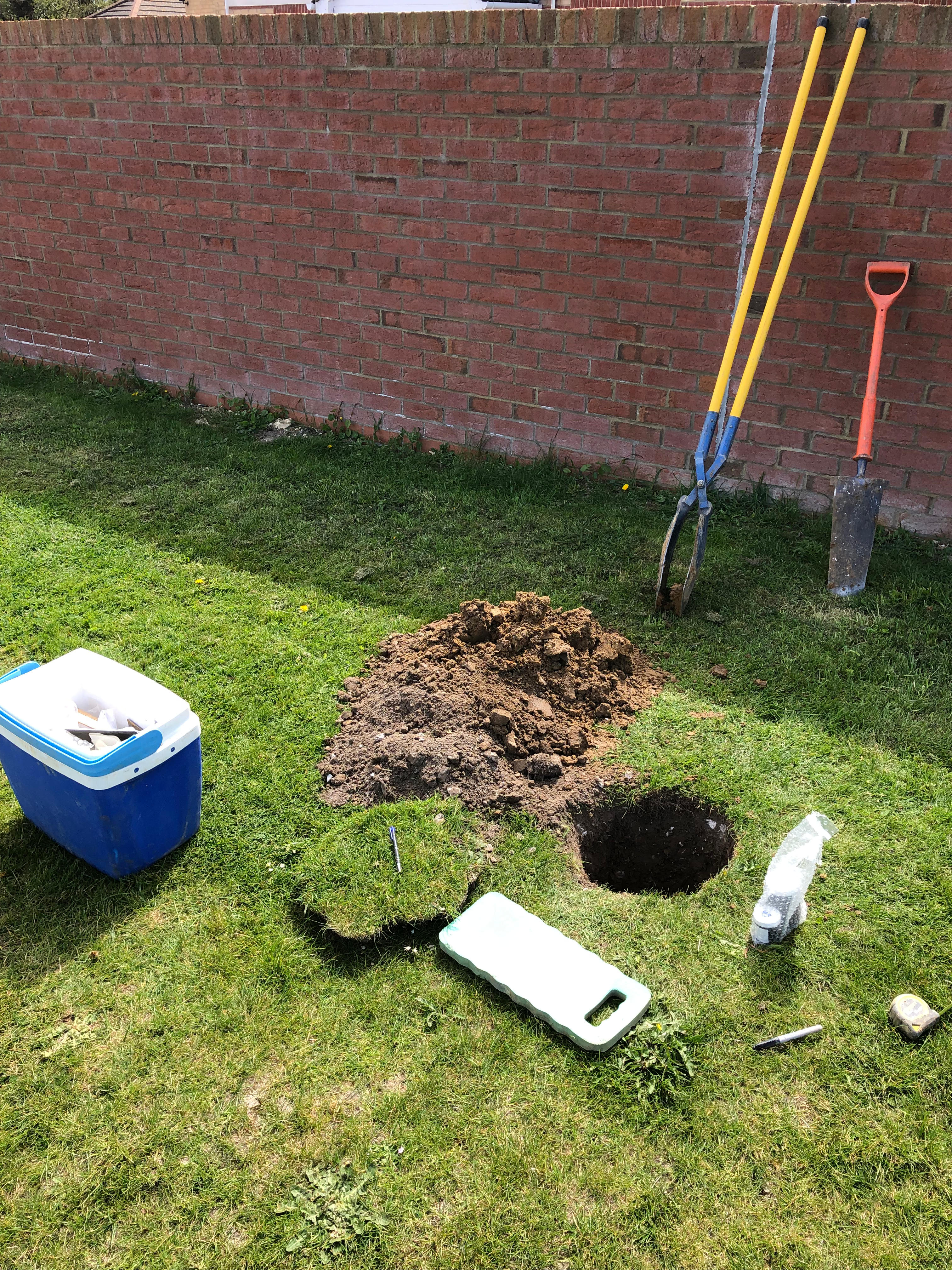
For example, verification of a clean soil cover, would typically entail excavating a number of hand dug trial holes. This allows an assessment of the thickness and quality of the soil and for the collection of samples. Similar to a Phase II Investigation, these samples can be laboratory analysed to assess the presence of any contamination.
TEC can provide a checklist to ensure that you retain the necessary records to aid with the verification report. This includes information such as waste disposal tickets and imported fill certification/tickets.
Other Products and Services from TEC | Tweedie Evans Consulting Ltd
Coal Mining Risk Assessments
What is a Coal Mining Risk Assessment?
A coal mining risk assessment (CMRA) assesses the risk to a new development from historic coal mining activities.
Across the UK, there are over 40 different coalfields with well over 20,000 known historical collieries. The Coal Authority consider approximately 15% of these coalfields to be 'Development High Risk Areas'.
These high-risk areas have historical coal mining features with the potential to cause instability at the surface.
Within a high-risk area, a CMRA establishes if historical mining poses a risk to your specific site.
Why do you need a CMRA?
The Coal Authority is a statutory consultee on planning applications.
Therefore, a coal mining risk assessment will be essential for any proposed developments within a high-risk area.
In these high-risk areas, local councils may refuse or delay any application submitted without a CMRA.
Risks of historical coal mining:
There are numerous potential hazards that could be present on a site as a result of the UK's coal mining legacy.
These include:
- Abandoned shafts or historical mine entry points.
- Outcrops of workable coal seams.
- Historical shallow coal mine workings.
- Historical opencast (surface) mine workings.
- Geological faults and fissures.
- Mine gas emissions.
- Coal mining related subsidence.
- Coal spoil tips.
Assessment stages:
- Site Location - Is the site in a coal mining high risk area?
- Desk Study - Collect information from the Coal Authority to assess the possible risks associated with a site.
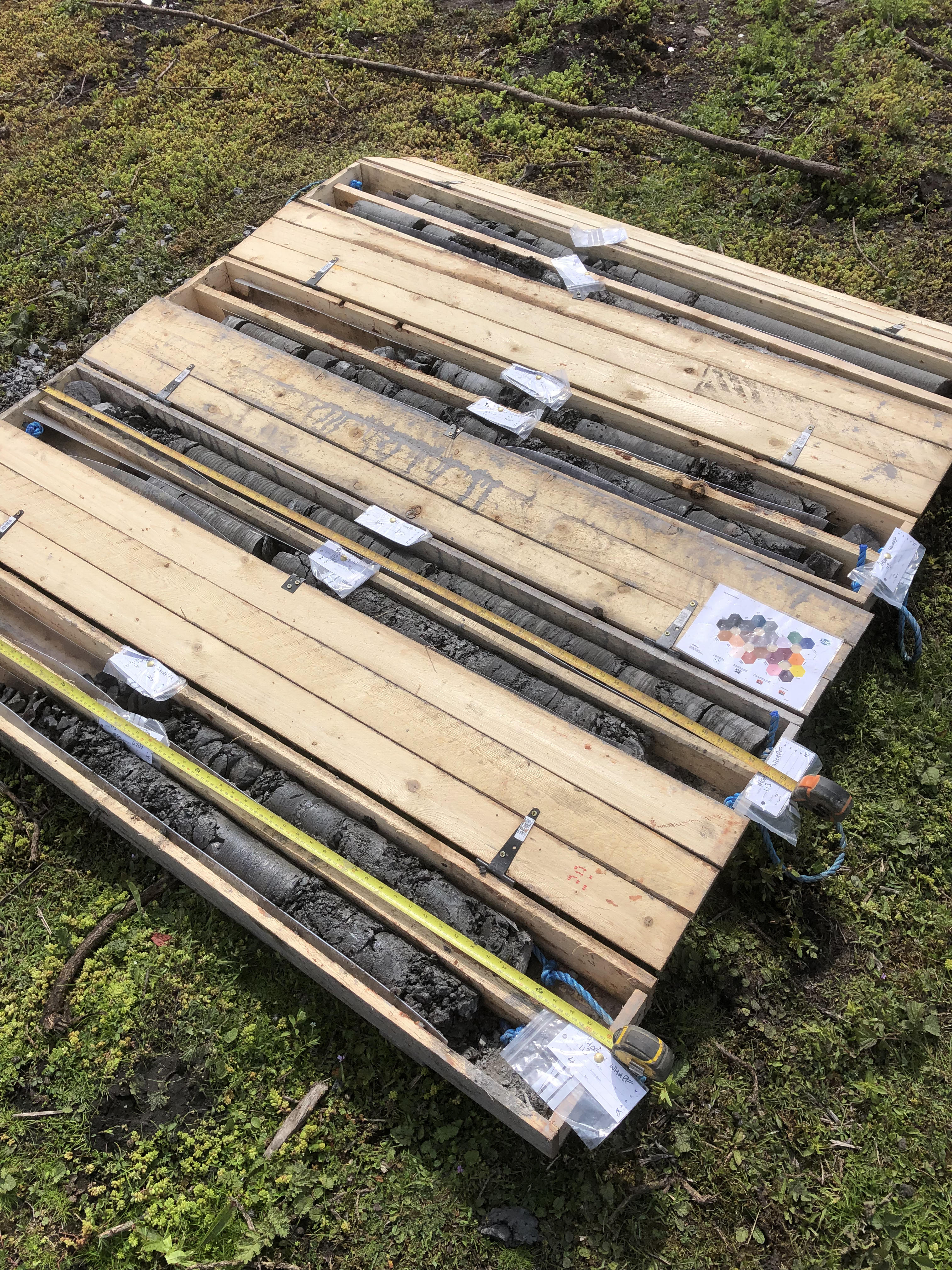
- Intrusive Investigation - If required, drill boreholes to assess if there are coal seams/shafts present beneath a site.
- Remediation - e.g. The stabilization of historical shafts through grout injection. Watching brief during site strip process to check for evidence of historical workings.
How much does it cost?
A desk based CMRA typically ranges in price from £1000 to £1500 depending on the size of the site.
More detailed intrusive investigations can vary in cost depending on a multitude of factors, including:
- Site location
- Site size and complexity
- Type of historical mining activity
- Type of investigation / drilling methodology required

Site Investigation / Ground Investigation
Site Investigation / Ground Investigation
Whilst not the most glamorous stage in a construction project, a robust site investigation is arguably the most important.
Issues relating to unforeseen ground conditions could easily derail your project at any given moment. Be it unexpected contamination or unstable ground, such issues can be costly if not discovered early enough.
This is why the essential first step in any project is to carry out a ground investigation. Such an investigation can provide significant value to a construction project throughout its life cycle.
What is a Site Investigation?
As every site is unique, so is every site investigation.
The core purpose of the investigation is to establish the underlying ground conditions and develop a ground model.
Information collected as part of this process includes:
- Geological conditions (i.e. soils and rocks).
- Sites history (underground obstructions or contamination).
- Groundwater conditions.
- Physical properties of any soils/rocks.
- Mechanical properties of any soils/rocks.
- Presence of any contamination.
- Presence of any ground gas.
By compiling all of the above, it is possible to create a ground model for the site. This model then forms the basis of any risk assessment, including for both contaminated land and geotechnical assessments.
How can TEC help?
Here at TEC, we can design, set up and execute ground investigations for any potential site. We aim to always use the most appropriate and cost-effective technique for the anticipated ground conditions.
Our 5 step Site Investigation Process:
- Consultation - We discuss the site/project and your requirements to determine the best way forward. We can also provide a TEC Check initial site appraisal report.
- Initial Assessment - A desk-based review of online information to assess the risks.
- Intrusive Investigation - If required, we mobilise to site to assess the ground conditions and collect samples.
- Reporting - We compile the ground model and detail our findings for the site.
- Recommendations - We provide you with recommendations for what to do next. Be it further intrusive investigation or to continue with the development.
We work on sites of all sizes across the UK.
No site is too difficult! We can undertake investigations on sites with restricted access (low headroom/basements) or difficult ground conditions.
We can employ a range of both intrusive and non-intrusive investigation techniques, including:
- Borehole Drilling.
- Trial Pitting.
- Hand dug foundation exposures.
- Soil infiltration and permeability testing.
- CBR / Plate load testing.
Geological Logging
Don't need a full report? TEC can provide competent and qualified engineering geologists or geoenviromental engineers to oversee your projects.
If you just need an engineer to supervise a drilling rig or to log some soil/ rock arisings, then don't hesitate to reach out.
We currently provide logging engineer/supervisor services to major drilling companies across the UK.
All our engineers are trained in logging in accordance with BS5930, as well as hold relevant H&S qualifications including SSSTS.
Why Choose TEC?
When you choose TEC, you gain access to our team of specialists with over 70 years of in-house experience.
Unlike others in the industry, we always maintain full-time supervision of our projects with a competent engineering geologist. This ensures we don't miss any critical information whilst on site and always get the best results possible.
Our reports are always clear, concise and easy to read. At the front, we include a non-technical summary to help you understand the risks posed by a site.
We have a strong track record of working in partnership with our clients to provide creative and cost-effective solutions. If you need advice, we are always available to chat through any project.
Construction & Environmental Monitoring
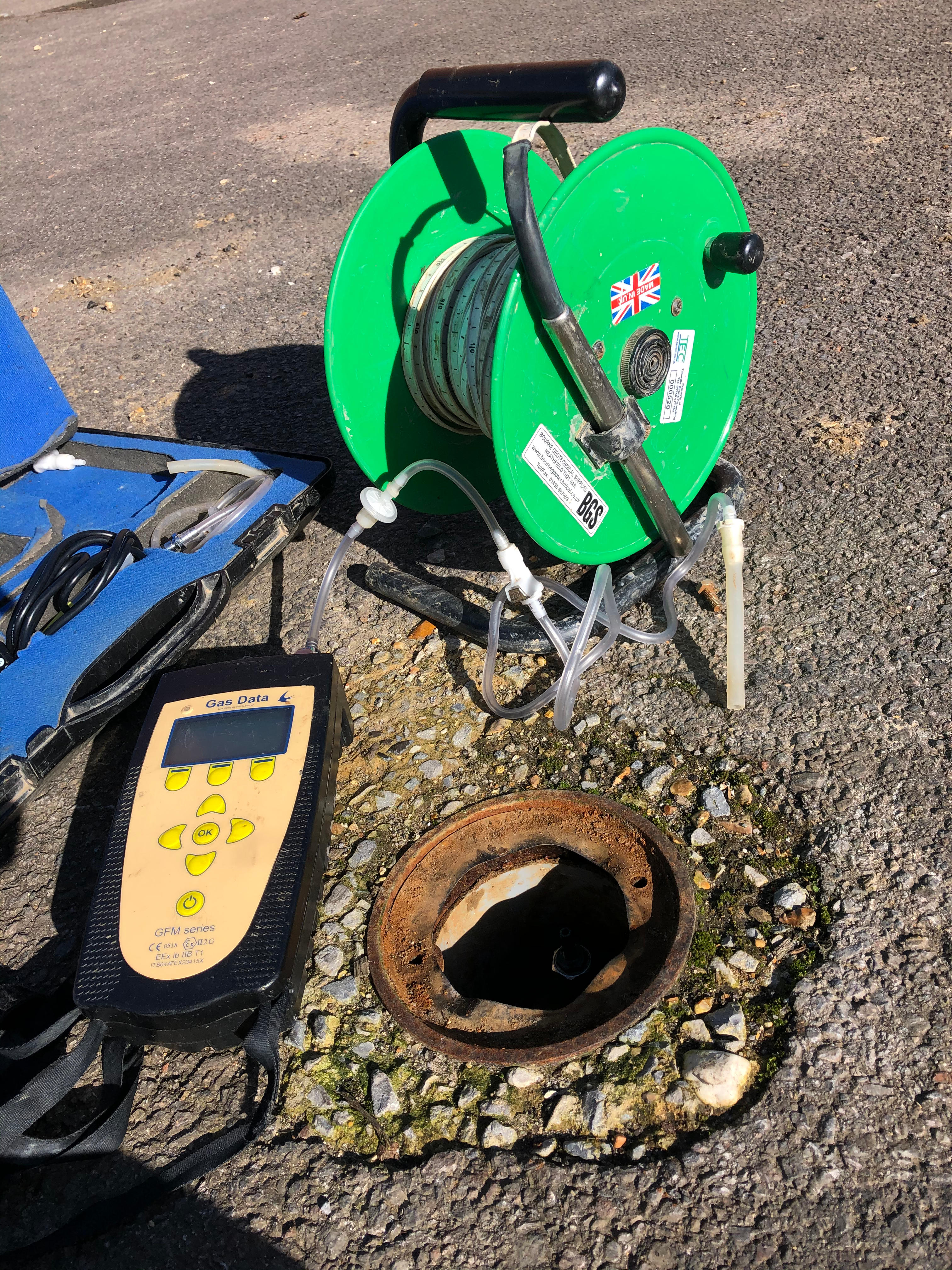
TEC offer a range of construction and environmental monitoring services:
- Groundwater sampling and monitoring
- Ground gas monitoring
- Landfill monitoring
- Vibration monitoring
- Dust monitoring
- Noise monitoring

TEC | Tweedie Evans Consulting Ltd
The Old Chapel, 35a Southover, Wells, Somerset, BA5 1UH, United Kingdom
TEC is an established consultancy offering expert geoenvironmental and geotechnical services across the UK. We offer a range of services including: site investigations, contaminated land risk assessments, geotechnical assessments/ground engineering and waste testing & classification.