05 December 2022 | Harrowden Turf Ltd
Watering newly laid turf
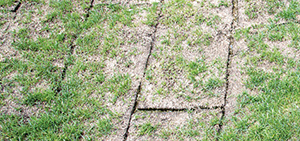
It’s vital that newly laid turf is not allowed to dry out before it has rooted into your soil.
The amount of water your new turf needs will vary according to:
the weather
soil type
the conditions in your garden
A garden that is exposed to wind and/or sun will probably dry out quicker than a sheltered spot.
When to water your new turf?
Start watering as soon as you have laid your turf.
For a large lawn, you might want to have the sprinkler working on a laid section
while you are working on the next bit. For the first watering it pays to be
generous. It’s OK to have puddles sitting on top of the lawn. The water will soon
soak through.
For subsequent watering sessions, use your best judgement. As a rule of thumb, it’s better to have too much than too little water but do try to avoid continuous waterlogging as this will do more harm than good.
Avoid having water sit on the surface for more than 10-15 minutes but do be
sure that the top 10cm of soil beneath your turf is good and damp within about
30 minutes of finishing the watering. By doing this you are encouraging roots to
sink deep into the soil.
It’s vital that you water your new turf every single day. Even if it rains you must
check that the soil beneath your lawn is damp enough. On very hot days you
may need to water more than once a day. Best practice says that you should
water either first thing in the morning or late in the evening. The air is cooler, and the water is less likely to evaporate away.
Why does my new turf need daily watering?
Your new turf must never be allowed to dry out. Grass is 85% water, and it
depends on that for its very existence. In an established grass plant, the surface area of the roots is greater than the surface area of the leaves. But in freshly harvested turf around 70% of the root mass has been removed.
Every day, a grass plant loses water through its leaves (it’s the plants’ equivalent of us exhaling and sweating). That water is replaced by the roots who draw food and water from deep in the soil. Your new turf wants to do that but during the harvesting process, a large proportion of the root system was chopped off.
Until new roots grow, your lawn will depend on your help to make sure it has water within reach. Always check that the soil beneath your new lawn is damp. If the soil dries out, turves may shrink, and your lawn could die!
Depending on the time of year, newly laid turf takes 2-4 weeks to regrow
enough roots to be self-sufficient. If you are watering your turf lawn in the
summer then, depending on rainfall, watering twice a day for the first week,
then 2-3 times a week after that until the turf has rooted.
Even during a Temporary Usage Ban (TUBS), many water authorities will still allow you to water newly installed turf. Generally, the exemption lasts for 28 days from the date of installation and allows watering during off-peak times.
Check with your local water supplier for more information. Water UK offers a handy tool to find you supplier
What about an established lawn?
Brown lawns are cool - during hot weather, the watering of established
lawns is, in most situations, wasteful and unnecessary. When your lawn
turns brown during the summer this is the natural survival mechanism of grass.
When water is in short supply grass responds by shutting down. The brown
colour shows that it has stopped growing until more favourable conditions
return. Grass is remarkably resilient, and as long as you follow a few basic rules, most lawns will recover completely when the rain finally arrives.
If you do water your established lawn do not water daily. When you water your
lawn daily then the grass roots become reliant on the water and almost lazy.
The roots won’t need to search deep in the soil for moisture and shallow roots lead to poor quality grass. If you do wish to water your lawn, we recommend watering once a week for around an hour or so. Remember - In the middle of summer 1 square metre of lawn needs about 20-litres every seven days so always consider letting your established lawn fend for itself.