16 April 2024 | Forematic Ltd
Force testing isn’t a breeze
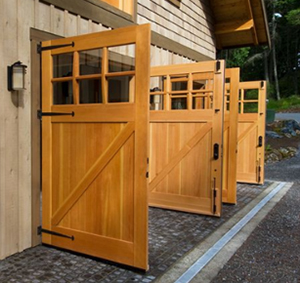
Ask any automation engineer, and he will roll his eyes and blame the safety devices for most reliability issues. Boarded gates can suffer from excessive wind force.
Yes, of course, safety is important, but does the apocryphal butterfly the other side of the globe warrant a callout? warrantyThe Machines Directive includes automated gates or doors as a bespoke machine assembled on site by an installer who is legally responsible for ensuring the machine is user safe. To help the poor installer to navigate the concept of safety, there are standards published that he can build and test to.
There are published force standards that are considered to be safe should a moving part contact a person. The door or gate needs to pass that force test limit on the day the installer packed his tools. Like a car’s MOT, all he warrants is that the machine was safe when tested.
It is the facility owner’s responsibility to ensure the gate is maintained to a safe standard, but it may not be safe when the wind blows. Should the installer warn his client not to operate the gate on a windy day? That leaves door automation in a big credibility gap!
Take a timber door for example. A 10mph wind applied to a 2m wide gate leaf can exert an extra 180N of pressure on the gate leaf. If that wind gusts over 1 second, the force exerted on the gate exceeds the limit in the standard. So a door or gate that passed the force test on a windless day, may not be safe of a windy day. And officially, that is the owner’s responsibility.
There is an elegant resolution to this dichotomy. Installers should offer clients two alternatives. Fit a wind load immune gate, such as a vertical steel barred gate, or do not operate the gate in wind speeds above a level. The elegant solution is that the property owner who choose the gate style is also legally responsible for that vanity.
Before we installer protagonists get too smug, we should consider a third alternative that puts the equipment manufacturer on the spot. AI is perfectly capable of measuring wind speed and direction around the site.
Car production has brought ‘Mass Air Sensors’ down to below £10. A sensor fitted into the gate would only measure wind speed in the relevant direction. The wind loading on the gate can then be calculated, and the motor speed and force adjusted accordingly.
If manufacturers don’t take the lead, climate change could be the death of automation!