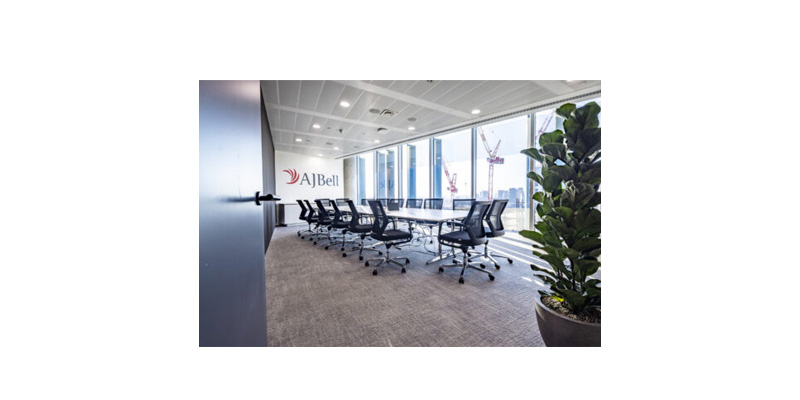
29 April 2025 | The Green Office
Five powerful reasons to include plants in your new office space
If you’re planning an office move in 2025, there’s a lot on your plate. Floorplans. Budgets. Technology upgrades. Hybrid work policies. As a facility manager, office lead, or sustainability head, you’re under pressure to design a workspace that delivers more – more flexibility, more function, more purpose.
There’s one element you may be overlooking.
One that impacts productivity, wellbeing, air quality, acoustics, and even your sustainability credentials.
It’s not a design trend or an aesthetic afterthought.
It’s greenery.
Incorporating plants into your new office space is not just a nice-to-have. It’s a strategic decision with measurable returns. Here’s why.
1. PLANTS SUPPORT FOCUS, ENERGY AND CLEAR THINKING
When Gensler surveyed over 14,000 workers globally for its 2023 Workplace Survey, one insight stood out: people perform better in spaces that feel natural, human and balanced. Biophilic design, the integration of natural elements like plants, wood, and daylight – is no longer considered niche. It’s now a proven performance driver.
Plants help reduce cognitive fatigue by providing soft, non-intrusive stimulation. A study from the University of Exeter found that productivity increased by 15% in spaces where plants were introduced – a figure supported by numerous peer-reviewed studies in environmental psychology.
In a workplace landscape where attention is constantly under siege, giving people an environment that restores focus can lead to better outcomes across the board – from idea generation to operational execution.
2. THEY IMPROVE AIR QUALITY AND CREATE A HEALTHIER INDOOR CLIMATE
Office environments are often tightly sealed, climate-controlled spaces with little access to fresh air. Over time, that leads to a buildup of indoor pollutants – volatile organic compounds (VOCs), carbon dioxide, dust, and synthetic off-gases from furniture and flooring.
Plants can play a practical role in filtering that air. NASA’s landmark Clean Air Study identified common indoor plants – including peace lilies, snake plants, and English ivy – as effective at removing toxins and improving overall air freshness. More recent studies have found that indoor greenery also helps regulate humidity and balance carbon dioxide levels.
Improving air quality isn’t just about comfort. It has a direct link to cognitive performance, immune response, and long-term health. In high-occupancy office spaces, particularly in dense urban locations, that matters.
3. THEY REDUCE STRESS AND SUPPORT MENTAL WELLBEING
Work-related stress is one of the biggest contributors to absenteeism and burnout. The presence of plants in a workplace can reduce stress levels by creating a calmer, more visually pleasing atmosphere – but the effects go deeper than aesthetics.
A Japanese study published in the Journal of Physiological Anthropology observed that employees who kept small plants on their desks experienced a measurable reduction in heart rate and anxiety after just four weeks. The same study noted an increase in self-reported comfort and engagement at work.
Oktra, a UK-based office design firm, now includes biophilic zoning in many of their projects, allocating space specifically designed to bring greenery into everyday work routines – from quiet booths with plant partitions to communal areas framed by indoor trees. The result is not only a visually engaging environment, but one that actively supports the mental resilience of the people working in it.
4. PLANTS SUPPORT BETTER ACOUSTICS AND REDUCE WORKPLACE NOISE
Modern office design often leans toward open-plan layouts – great for collaboration, but less so for concentration. In these spaces, managing sound becomes a real challenge.
Plants absorb, reflect, and deflect sound. Large-leafed species such as rubber plants, monstera, and ficus work particularly well in helping to dampen noise. They break up sound pathways and reduce reverberation, especially in hard-surfaced spaces with lots of glass and metal.
Gensler, in its workplace acoustic research, recommends layered soundscapes that combine material acoustics, spatial planning and natural elements. Plants are part of that toolkit – helping to create quieter, more comfortable environments without the need for artificial sound barriers or unattractive baffles.
5. GREENERY MAKES SUSTAINABILITY VISIBLE AND TANGIBLE
More organisations are embedding ESG principles into the workplace. But walking the talk requires more than a sustainability report or a BREEAM rating.
Plants are a visible, accessible expression of environmental intent.
Living walls, vertical gardens, and even modest planters signal a commitment to low-impact design. In practical terms, greenery can contribute to energy efficiency by buffering heat and regulating internal temperatures. Some plants are even used to manage indoor water vapour and reduce the need for artificial humidity controls.
By integrating greenery into your design from the outset, you create a workspace that reflects your environmental values in real time. It’s a way to make sustainability feel present, rather than abstract.
FINAL THOUGHT: DESIGNING FOR PEOPLE, NOT JUST PRODUCTIVITY
Office design is shifting. In 2025, it’s no longer just about maximising square footage or enabling hybrid working. It’s about creating spaces where people can think clearly, feel healthier, and work with purpose.
Plants offer a practical, low-maintenance, and high-impact way to deliver that kind of environment. They don’t just make offices look better – they help people work better, live better, and connect more deeply with the place they spend a third of their lives in.
As you plan your next move, bring greenery into the conversation early. Collaborate with your fit-out partners, your wellness teams, and your sustainability leads. Choose species that align with your light conditions, layout, and maintenance capacity.
And above all, remember this: in the most forward-thinking workplaces of 2025, nature isn’t a nice addition.
It’s part of the architecture.