05 August 2025 | EA Mobility
EA Mobility Shares 7 Key Design Priorities for Safer, Dementia-Friendly Bathroom Adaptations
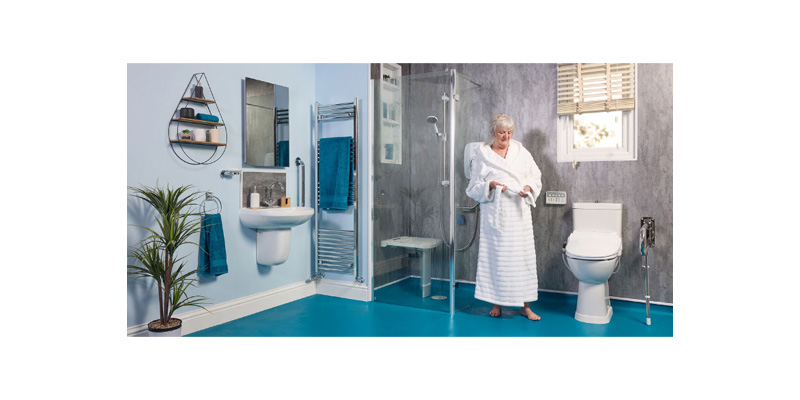
With dementia cases rising, care professionals and housing providers face growing pressure to deliver safe, familiar environments. EA Mobility outlines seven essential design considerations for dementia-friendly bathrooms—backed by practical insight and decades of experience in mobility adaptations across the UK.
As dementia diagnoses continue to rise across the UK, designing safer environments is no longer optional—it’s essential. EA Mobility, a nationwide leader in bespoke bathroom adaptations, has shared seven expert-backed considerations for creating dementia-friendly bathrooms that enhance safety, independence, and quality of life.
These insights are particularly relevant for care providers, housing associations, local authorities, and occupational therapists supporting individuals with cognitive challenges.
- Protection Against Scalding: Thermostatic mixing valves and easy-grip controls prevent dangerous fluctuations in water temperature and reduce the risk of burns.
- Fall Protection: Non-slip flooring, sturdy grab rails, and stable seating support mobility while dramatically reducing fall risks.
- Managing General Confusion: Simple, intuitive layouts with familiar fixtures and clear visual hierarchy help users navigate the space with less anxiety.
- Addressing Memory Loss: Visual cues and colour contrasts make it easier to locate key features like toilets, taps, and doors—reinforcing independence.
- Supporting Retro Memory: Incorporating design elements that feel familiar or evoke past environments helps reduce stress and improve comfort.
- Floor Colour Perception: Selecting flooring with clear contrast from walls and furniture reduces the chance of depth misjudgement or visual hesitation.
- Reducing Visual Confusion: Avoiding busy patterns, harsh contrasts, or cluttered fittings helps create a calm, focused space that reduces sensory overload.
“When adapting a space for someone with dementia, small design details have a huge impact,” says Denleigh Carvell, Project Manager at EA Mobility. “These seven considerations reflect our commitment to delivering safer, more liveable homes.”
With over 20 years of expertise and a fully in-house installation team, EA Mobility partners with care professionals, personal injury lawyers, Court of Protection officers, occupational therapists, and case managers to deliver practical, elegant, and fully customised home adaptation solutions across the UK.