07 October 2025 | Prefect Controls Ltd
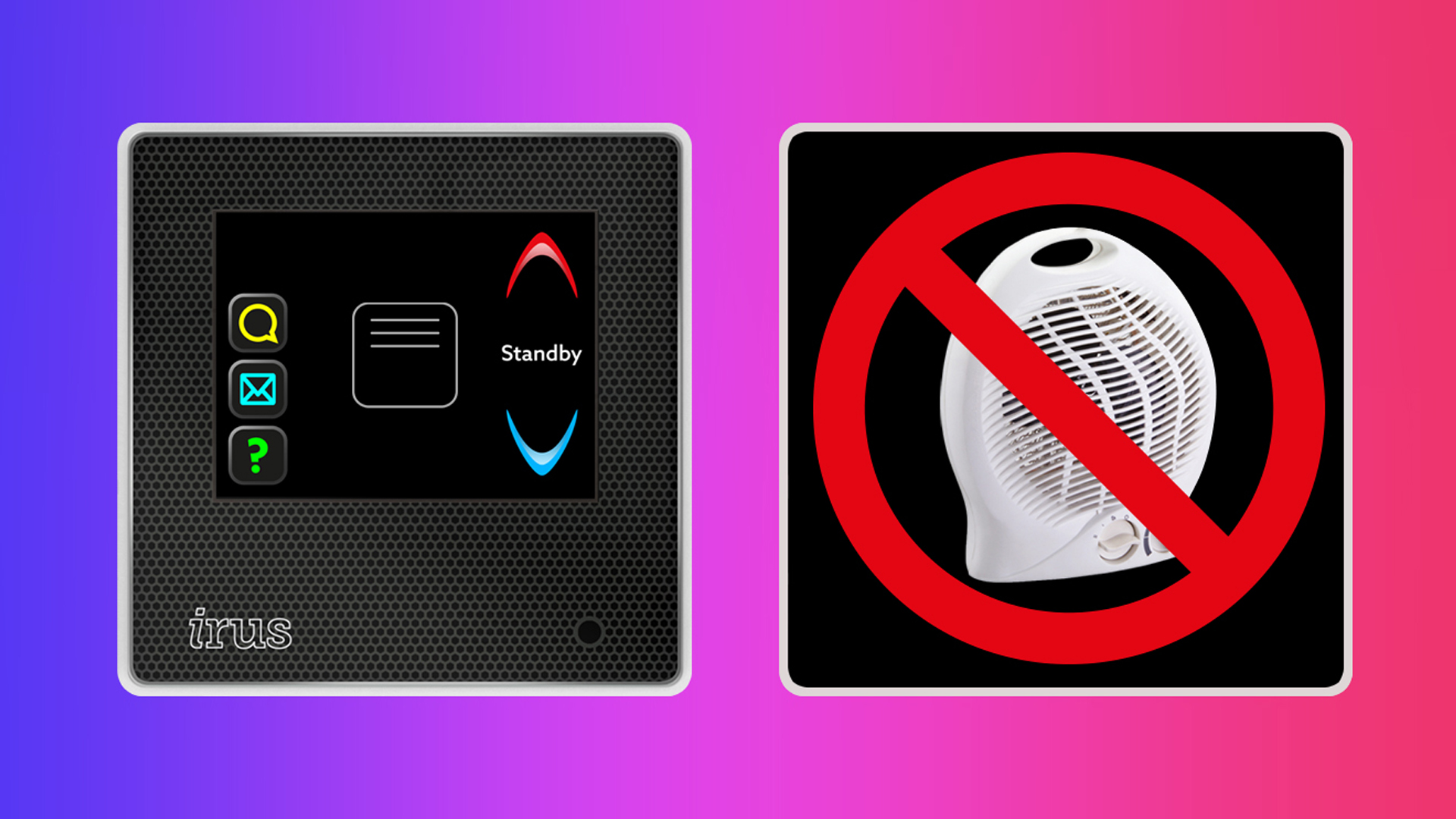
Detect to protect: Why finding plug-in heaters matters
Supplementary, additional, or plug-in heaters are an easy and cheap way for residents to increase the temperature in their rooms. However, if they are NOT responsible for paying the energy bill directly, they are acting irresponsibly, in more ways than one.
Energy Inefficiency and Waste
Plug-in heaters are often high-power consumers and used indiscriminately they cause:
- Large spikes in electricity use.
- Increased utility bills for operators (especially in all-inclusive bills).
- Undermining of heating system efficiency and control.
Other considerations that responsible landlords should assess are:
Health and Safety Risks
- Fire hazard if left unattended or improperly used.
- Overloading of electrical circuits or faults caused by their use.
- They may not be compliant with building regulations, PAT Testing, or insurance policies.
Thermal Imbalance and Comfort Issues
- They can cause uneven heating — making some areas too hot and others too cold.
- They interfere with the building’s designed heating strategy.
Environmental Impact
- Increases in carbon footprint, conflicting with sustainability goals.
- They contradict efforts to reduce overall energy consumption in multi-occupancy properties.
Maintenance and Operational Problems
- The use of supplementary heaters makes it harder to diagnose heating issues.
- They create hidden loads that the building system doesn’t account for.
- They can lead to unpredictable energy usage patterns.
- Nuisance tripping of circuit breakers causes unnecessary inconvenience.
How Prefect Irus Detects Supplementary Heaters
ControlSensor+Irus uses its smart data and analytics to identify plug-in heaters by detecting:
Unexpected High-Power Use in Unoccupied Rooms
- Irus monitors presence via occupancy sensors within the ControlSensor. If room temperature is high, without occupancy detected, this suggests an unapproved heater or plug-in device.
Irregular Heating Cycles
- Supplementary heaters often run erratically or at unusual times.
- Irus flags inconsistent heating behaviour not aligned with schedules or occupancy.
Cross-Referencing Energy Data
- Where available, Irus can integrate with energy submetering to detect spikes unexplained by the building’s HVAC.
- Patterns of sustained high usage linked to specific rooms may suggest plug-in devices.
How does Irus make operators aware?
- Building managers receive alerts or reports on rooms with suspicious heating or energy use.
- This enables targeted occupant education (e.g., warnings or lease clauses about plug-in heaters).
- Supports maintenance checks to physically verify and remove unsafe devices.
- Helps enforce policies to maintain safety, reduce costs, and protect sustainability goals.
Supplementary heaters cause inefficiency, safety, and environmental issues, but Irus detects their presence by analysing occupancy data, heating activity, and temperature patterns, allowing building managers to intervene.
ControlSensor+ IRUS – Control. Visibility. Intelligence.