19 November 2026 | Sliced Bread Animation Ltd
Experts in 3D Medical Animation: Bringing Complex Science to Life
With over 20 years of experience, Sliced Bread Animation specialises in creating 3D medical animation that brings complex science to life. From mechanisms of action and disease pathways to medical devices and patient education, we combine scientific accuracy, creative storytelling and technical expertise to help pharmaceutical companies and healthcare agencies communicate complex information clearly.
Experts in 3D Medical Animation: Understanding Complex Science
Explaining complex medical science isn't always straightforward. Whether you're communicating how a new treatment works, illustrating a disease pathway or demonstrating the function of a medical device, there are often processes taking place at a molecular or cellular level that simply cannot be seen.
For pharmaceutical companies, healthcare agencies and medical educators, this presents a familiar challenge. How do you communicate something scientifically complex in a way that's accurate, accessible and engaging for the intended audience?
This is where 3D medical animation can make a real difference.
At Sliced Bread Animation, we've spent more than two decades working with healthcare and pharmaceutical organisations, creating medical animations that help turn complicated scientific information into clear visual stories.
Along the way, we've learned that producing effective medical animation involves considerably more than creating beautiful 3D imagery.
Making the Invisible Visible with 3D Medical Animation
One of the greatest advantages of 3D medical animation is the ability to visualise processes that would otherwise be impossible to observe.
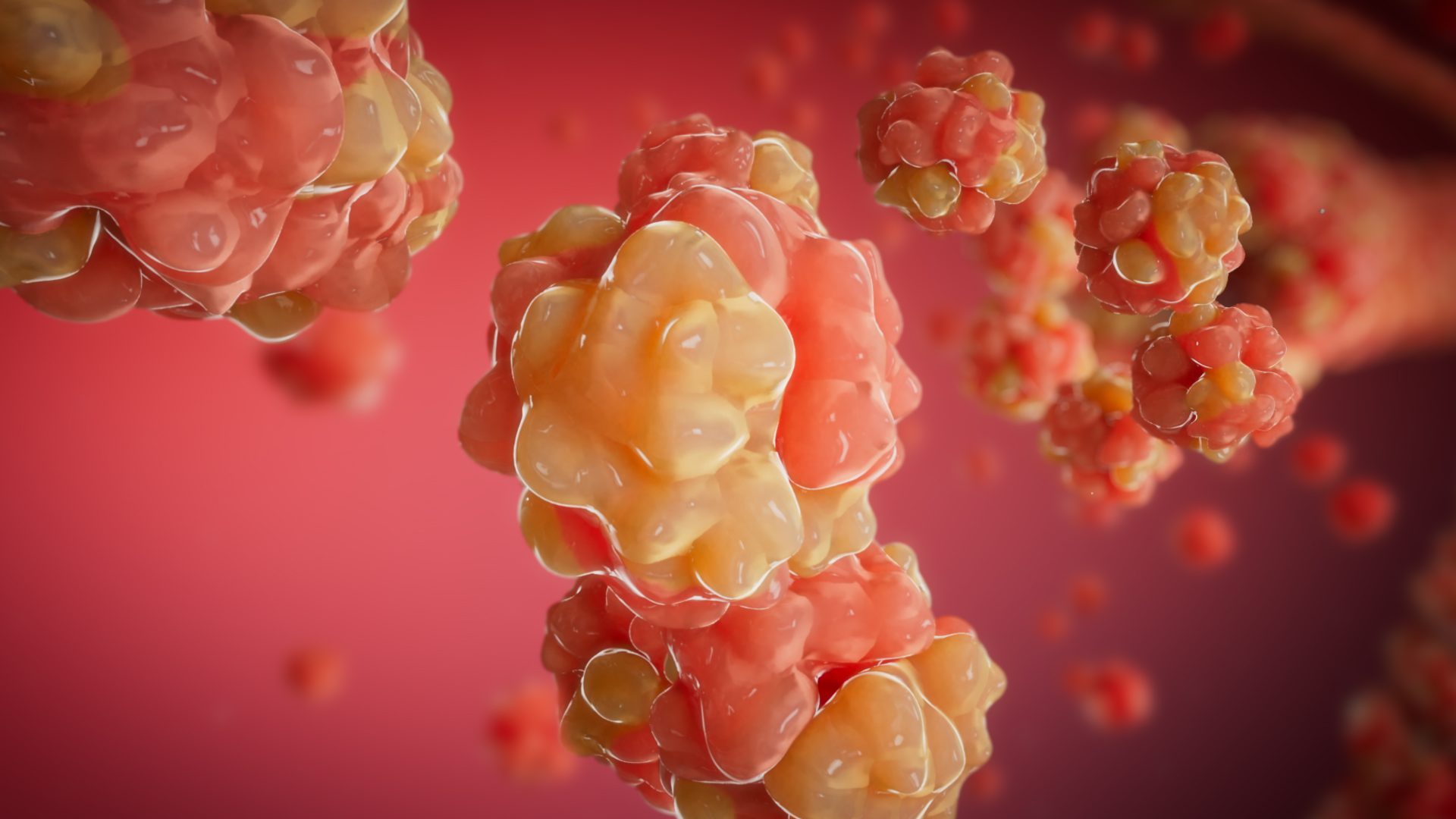
A mechanism of action (MoA) animation, for example, can take viewers inside the human body, down to a cellular or molecular level, to illustrate how a treatment interacts with its biological target.
Rather than relying entirely on diagrams, text or verbal explanations, animation allows the audience to follow a sequence of events as it unfolds.
We can control the camera, isolate particular structures, reveal interactions and direct attention to the elements that matter.
This makes 3D animation particularly useful for explaining complex mechanisms of action, disease progression, anatomy, medical devices and treatment pathways.
However, simply showing more detail doesn't necessarily make something easier to understand. Often, the real skill lies in knowing what to leave out.
Scientific Accuracy and Creative Storytelling
3D medical animation presents an interesting creative challenge because scientific accuracy and visual communication need to work together.
The underlying science must be represented appropriately, but the audience also needs a clear narrative to follow.
An animation that includes every available scientific detail may become difficult to understand. Equally, simplifying a process too far can risk losing important information.
Finding the right balance requires collaboration between the creative team, medical writers, scientific experts and the client.
For a mechanism of action animation, we might begin by identifying the key stages of a biological process and deciding which interactions need to be illustrated.
From there, we develop a visual sequence that guides the audience through the science in a logical order.
Camera movements, lighting, colour, timing and composition all help direct attention and communicate the relationship between different structures.
The objective isn't simply to make the science look impressive. It's to make the information easier to follow without compromising the scientific message.
Why the Audience Matters
Not every 3D medical animation is intended for the same audience.
A pharmaceutical mechanism of action film developed for healthcare professionals may need to communicate detailed biological interactions and use specialist terminology.
A patient education animation, on the other hand, may need to explain the same condition or treatment in a much more accessible way.
An animation designed for a medical conference may have a different purpose again, helping introduce a scientific concept or supporting a presentation to an audience already familiar with the subject.
These differences influence everything from the script and visual style to the pace of the animation and the amount of information presented.
It's one of the reasons we always want to understand who the content is for, where it will be seen and what the audience should take away from it before production begins.
What Goes Into Creating a 3D Medical Animation?
Although every project is different, the production process generally follows a series of carefully planned stages.
It begins with the brief, scientific references and script. For more complex medical projects, specialist medical writers and subject matter experts help establish the scientific narrative.
The next stage is storyboarding, where the script is translated into a sequence of planned shots.
This is followed by an animatic, which provides an early indication of the animation's structure, timing and camera movements before detailed production begins.
Once the narrative and sequence have been agreed, our 3D team develops the required models, materials, lighting and animation.
For a mechanism of action, this might involve creating molecular structures, biological environments and carefully choreographed interactions between different elements.
Throughout production, we work through review and approval stages, allowing scientific and creative feedback to be incorporated before final rendering.
Rendering and compositing bring the different elements together, with finishing work such as colour grading, labels, voice-over and sound design helping to create the completed film.
This structured process is particularly important in medical animation, where changes to scientific content can have implications throughout production.
Expert Experience Makes a Difference
Over the years, Sliced Bread Animation has worked with pharmaceutical companies and specialist healthcare agencies on a wide variety of medical communication projects.
Our experience includes mechanism of action animations, pharmaceutical product visualisations, medical device explainers, patient education and immersive healthcare experiences.
We've worked with organisations including Merck, Pfizer, Bayer, GSK, Novartis and Takeda, helping communicate scientific and healthcare information through animation and interactive media.
One example is our work creating mechanism of action CGI animation in collaboration with specialist healthcare agency Emotive. These projects involved visualising biological processes using detailed 3D models, animation, lighting and compositing.
Our wider healthcare portfolio also includes patient-focused projects, where the emphasis shifts from detailed molecular processes to helping people understand treatments, medical devices and the experience of living with a condition.
Although the audiences and objectives vary, the underlying challenge remains remarkably consistent: communicating complicated information clearly and accurately.
3D Medical Animation as Part of a Wider Learning Experience
Medical animation is often delivered as a standalone film, but it can also form part of a broader educational programme.
A 3D mechanism of action sequence might be incorporated into an interactive e-learning course, used within a presentation at a healthcare event or integrated into an immersive experience.
This is particularly interesting when the objective moves beyond communicating information towards helping learners explore, practise or apply what they've learned.
At Sliced Bread, our work across animation, e-learning, immersive technology and AI-powered learning means we can consider how different formats might work together.
Sometimes an animation is exactly what's needed. In other situations, the animation becomes one component of a more interactive learning experience.
The important thing is choosing the right approach for the audience and the objective.
Choosing the Right 3D Medical Animation Partner
For organisations commissioning medical animation, there are several things worth considering beyond the quality of the finished visuals.
Does the studio have experience working with complex scientific material? Can it collaborate effectively with medical writers and scientific reviewers? Is there a clear production process with appropriate opportunities for feedback and approval?
It's also worth looking at whether the team understands the different requirements of pharmaceutical communications, healthcare professional education and patient-facing content.
An experienced medical animation studio should be able to discuss the scientific and communication challenges of a project, not simply the animation techniques involved.
Bringing Complex Science to Life
3D medical animation continues to be an important part of healthcare education and pharmaceutical communication because it offers something that other formats often struggle to provide: the ability to show processes that cannot be observed directly.
But the quality of a medical animation isn't determined by visual complexity alone.
The most effective work combines scientific understanding, careful planning, creative storytelling and technical expertise to communicate the right information to the right audience.
For us, that's what being experts in 3D medical animation is really about.
Sliced Bread Animation is an award-winning London studio specialising in animation, healthcare education and immersive learning. With over two decades of experience working with pharmaceutical companies and healthcare agencies, we create bespoke 3D medical animation that makes complex science easier to understand.