Company details for:
Expert Witness Gateway

Quick Links:
Products / Services

Expert Witness Services for Solicitors
As a solicitor, selecting the right expert witness can make a significant and pivotal difference to your case. The Expert Witness Gateway is a purpose-built platform designed to streamline how solicitors source expert witnesses - simplifying the entire process of discovering, engaging, and comprehending the intricacies of instructing experts.
From urgent criminal matters to complex civil disputes and sensitive family proceedings, our platform provides you with quick and easy access to hire expert witnesses in the UK who understand their responsibilities to the court, adhering to the standards outlined in the Civil Procedure Rules (CPR Part 35), Criminal Procedure Rules (CrimPR Part 19), and Family Procedure Rules (FPR Part 25). Each profile on our platform is associated with verified expert witnesses in the UK, ensuring there is zero risk of fraud.
With our Gateway, you can seamlessly manage all aspects of expert instruction within one safe, secure, and user-friendly system.

Become an Expert Witness in the UK
The Expert Witness Gateway is the UK's dedicated expert witness registration platform, designed to connect professionals with solicitors seeking expert evidence. By registering as an expert witness in the UK, you will gain visibility within a reputable legal network, with access to case opportunities across family, criminal, civil, and clinical negligence law.
Our platform provides all the tools you need to manage your medico-legal or professional expert witness work effectively. Your expert witness profile allows you to receive instructions for submitting reports and invoices, all within a secure, GDPR-compliant system.
Whether you are new to the field or already established as an expert witness, we are here to support your entire workload.

Expert Witness Specialities - Find the Right Expert Witness
Have you ever wondered how solicitors find the right experts for their cases? What specific expertise they require, and how to trust an expert witness? Look no further; browse our expert witness directory to quickly identify the perfect professional for your case needs.
From medico-legal to financial, nursing to technical fields, we offer a wide range of specialities to assist solicitors in successfully advancing their cases.
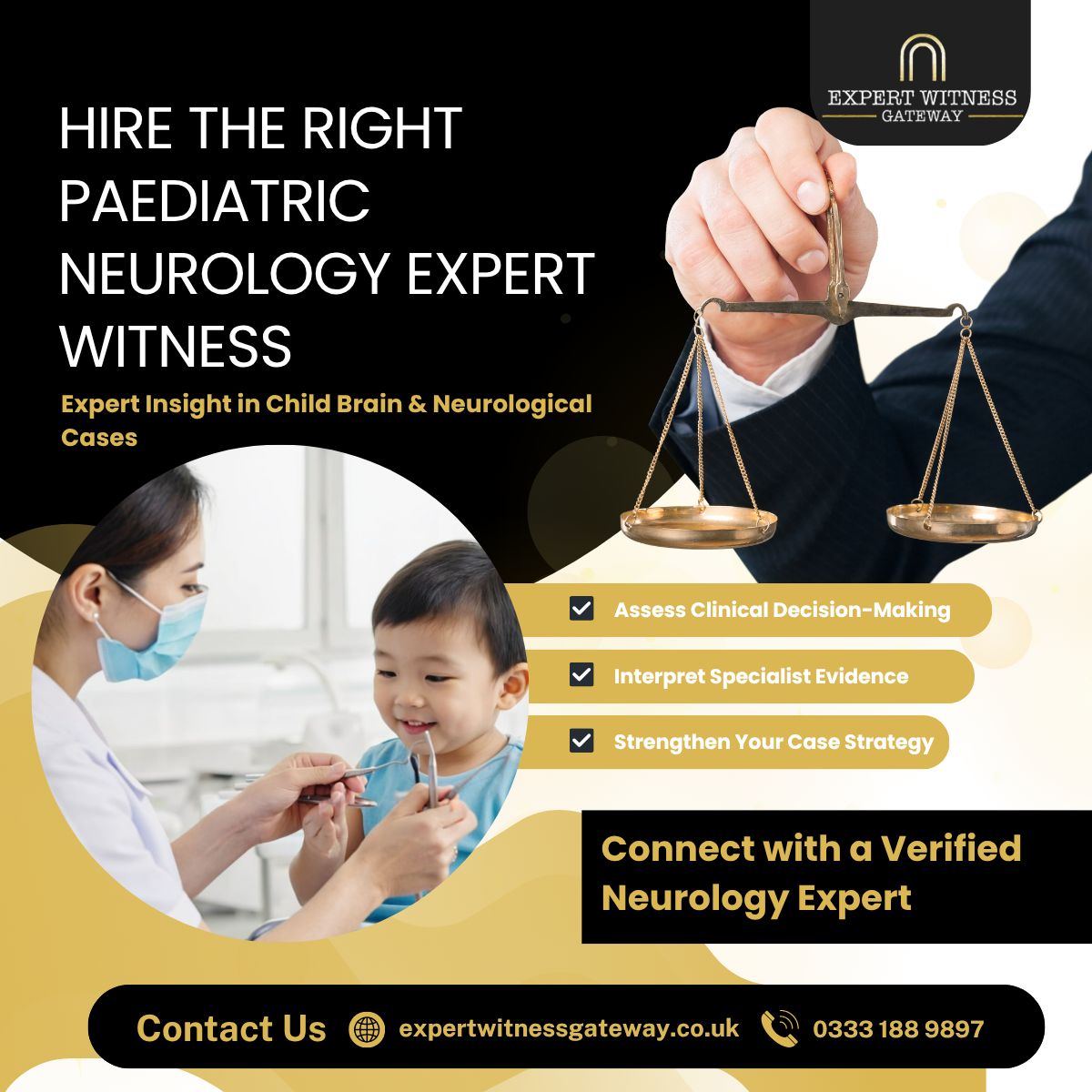
Paediatric Neurologist
Paediatric neurology is the medical speciality that addresses disorders of the brain, spinal cord, peripheral nerves, and the neuromuscular system in infants, children, and adolescents. A Consultant Paediatric Neurologist is a medically qualified specialist who has completed advanced postgraduate training and typically holds qualifications such as FRCPCH, along with registration on the GMC Specialist Register.
In legal contexts, paediatric neurologists are appointed as expert witnesses to provide independent and objective medical opinions on complex neurological issues affecting children. Their primary obligation is to the court, in line with the Civil Procedure Rules (CPR) Part 35, Family Procedure Rules (FPR) Part 25, and Criminal Procedure Rules (CrimPR) Part 19. Experts are required to act impartially, base their opinions on solid evidence, and remain within the boundaries of their expertise.

Dietitian
Dietitians are regulated healthcare professionals who specialise in the assessment, management, and therapeutic application of nutrition to enhance health and address medical conditions. In the UK, the title “Dietitian” is protected, and practitioners must be registered with the Health and Care Professions Council (HCPC). Expert dietitians typically possess recognised academic qualifications in dietetics or nutrition, along with significant clinical experience, often gained within the NHS. Additionally, they may have received further training in medico-legal reporting.
As expert witnesses, dietitians provide independent, impartial opinion evidence to support the court on issues concerning nutrition, feeding, malnutrition, and diet-related health outcomes. They are required to adhere fully to Civil Procedure Rules Part 35, Family Procedure Rules Part 25, and Criminal Procedure Rules Part 19. Their paramount duty is to the court, necessitating a commitment to objectivity, transparency, and evidence-based reasoning.
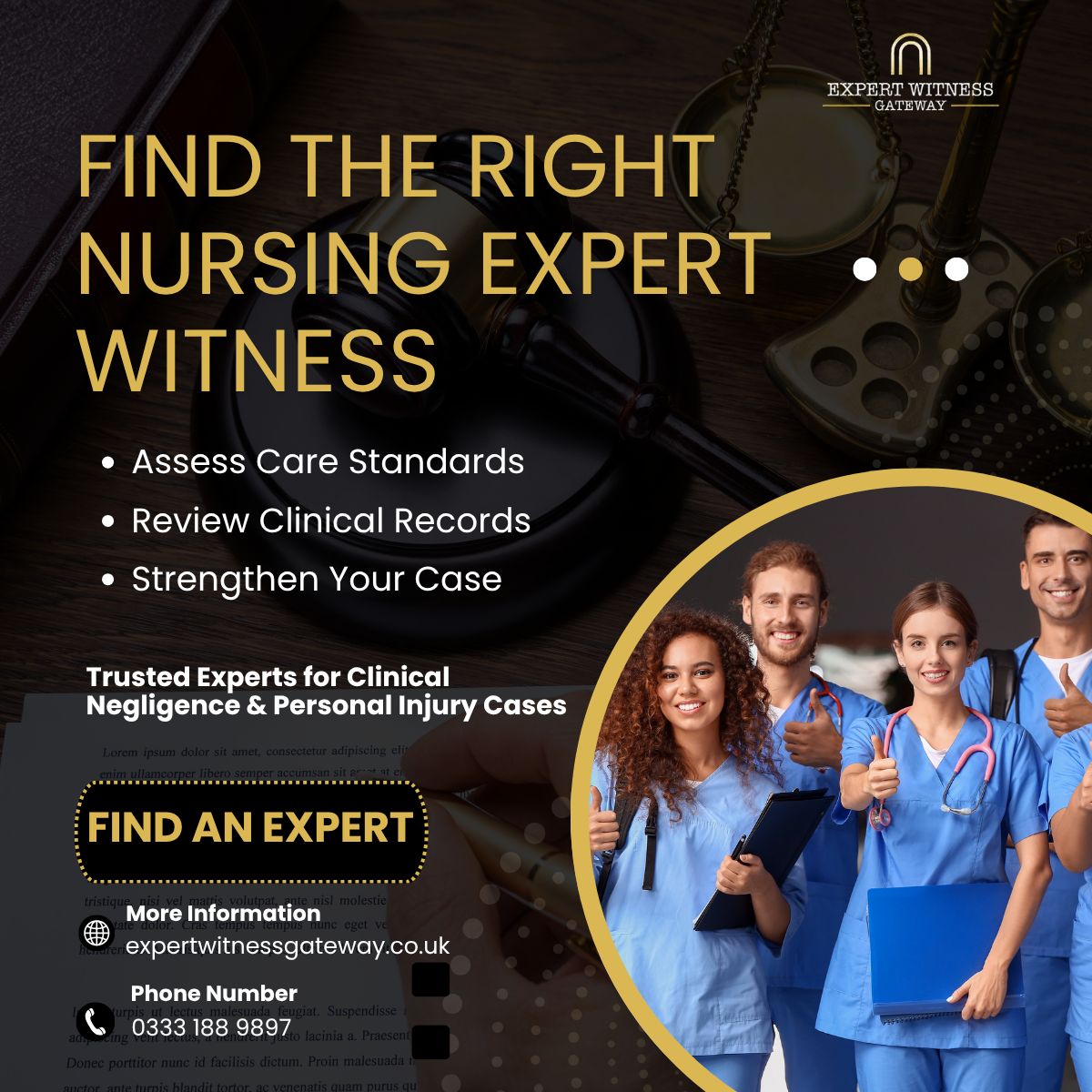
Nursing Expert
Nursing expert witnesses are registered nursing professionals appointed to provide independent, objective opinion evidence in civil litigation, primarily in personal injury and clinical negligence claims. They support the court by elucidating nursing standards of care, clinical decision-making processes, and the practical realities of healthcare delivery across hospital, community, and primary care environments.
Experts in this domain are generally Registered Nurses (NMC registrants) with considerable post-qualification experience. Many occupy advanced roles such as Advanced Nurse Practitioner (ANP), District Nurse, Practice Nurse, or Non-Medical Prescriber. A significant number possess postgraduate qualifications in specialised fields, including chronic disease management, tissue viability, urgent care, and long-term condition management.
In civil litigation, nursing experts are required to adhere to Civil Procedure Rules (CPR) Part 35 and relevant Practice Directions. Their primary duty lies with the court, rather than the instructing party, and their evidence must remain impartial, evidence-based, and restricted to matters within their professional expertise.

Forensic Scientist
Forensic science employs scientific principles to address legal inquiries, supporting courts in discerning facts from physical evidence. Specialists in this discipline analyse and interpret materials such as blood, DNA, fibres, and other trace evidence, delivering unbiased, scientifically validated opinions. Typically, these experts hold degrees in forensic science, biology, or chemistry, often enhanced by postgraduate training and membership in professional organisations such as the Chartered Society of Forensic Sciences or the Expert Witness Institute. Many work within ISO-accredited laboratory standards and strictly follow the Forensic Science Regulator’s Codes of Practice.
All forensic scientists serving as expert witnesses have an ultimate duty to the court. This responsibility, outlined in CPR Part 35, FPR Part 25, and CrimPR Part 19, mandates that their opinions remain independent, objective, and firmly grounded in their expertise and the evidence at hand, irrespective of who instructs or compensates them. Their primary role is to support the court, rather than advocate for any specific party.
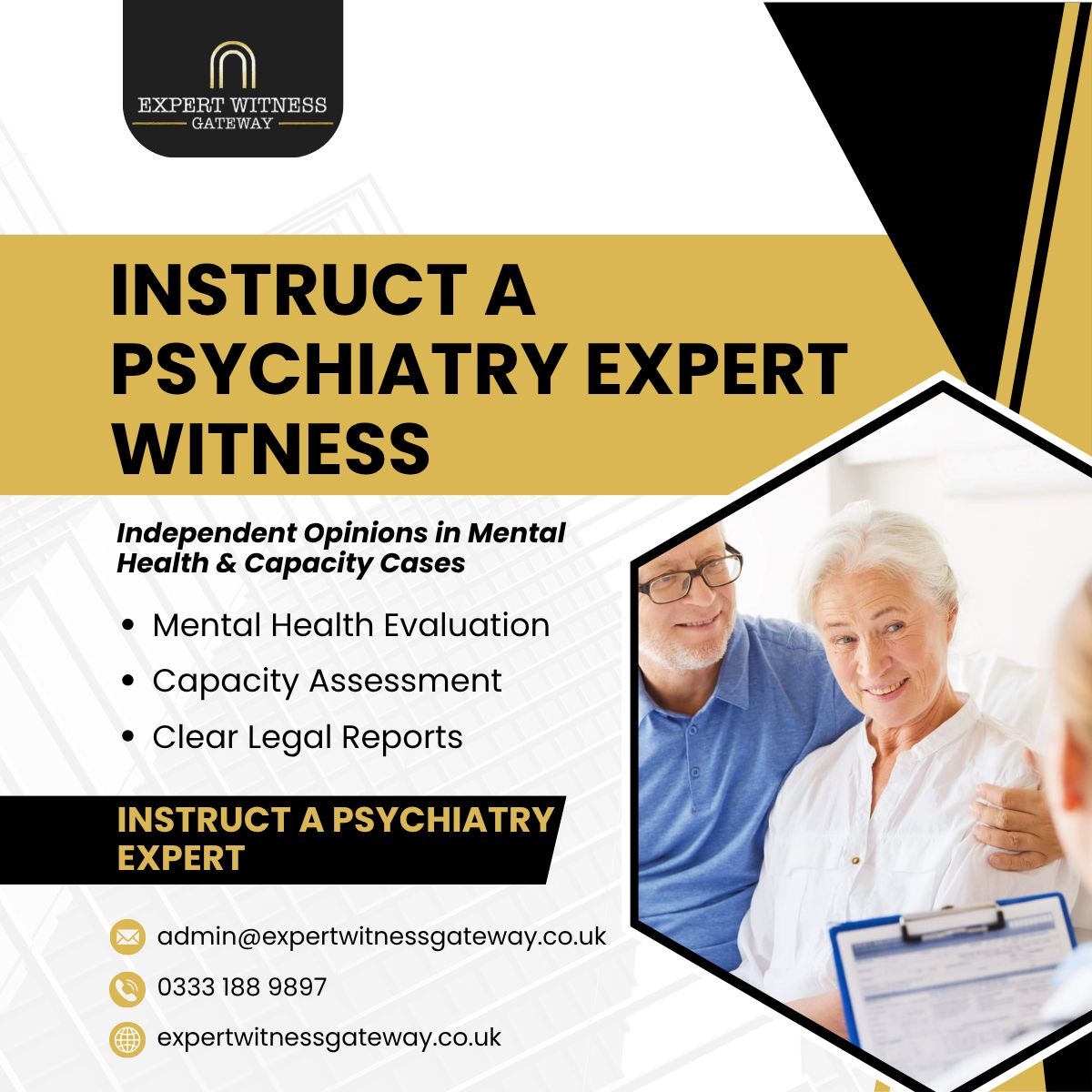
General Adult Psychiatry
General Adult Psychiatry is centred on the diagnosis and treatment of mental health disorders in adults aged 18 to 65. Common conditions addressed include depression, bipolar disorder, schizophrenia, anxiety and phobic disorders, obsessive–compulsive disorder (OCD), post-traumatic stress disorder (PTSD), personality disorders, somatoform disorders, and eating disorders such as anorexia nervosa, bulimia nervosa, Avoidant/Restrictive Food Intake Disorder (ARFID), and binge-eating disorder. General adult psychiatrists are medically qualified professionals—usually holding qualifications such as MBBS, MRCPsych, or equivalent—and often possess additional postgraduate qualifications, for instance, a Master’s in Eating Disorders or Cardiff University Bond Solon (CUBS) Expert Witness Certificates. Many are also approved clinicians under Section 12 of the Mental Health Act 1983, with significant experience in assessing detained patients and individuals under the Mental Capacity Act 2005 or Deprivation of Liberty Safeguards (DoLS).
In legal contexts, the psychiatrist’s obligation lies with the court, rather than the instructing party. Their practice is governed by the Civil Procedure Rules Part 35, Family Procedure Rules Part 25, and Criminal Procedure Rules Part 19, which emphasise the principles of independence, objectivity, and transparency.
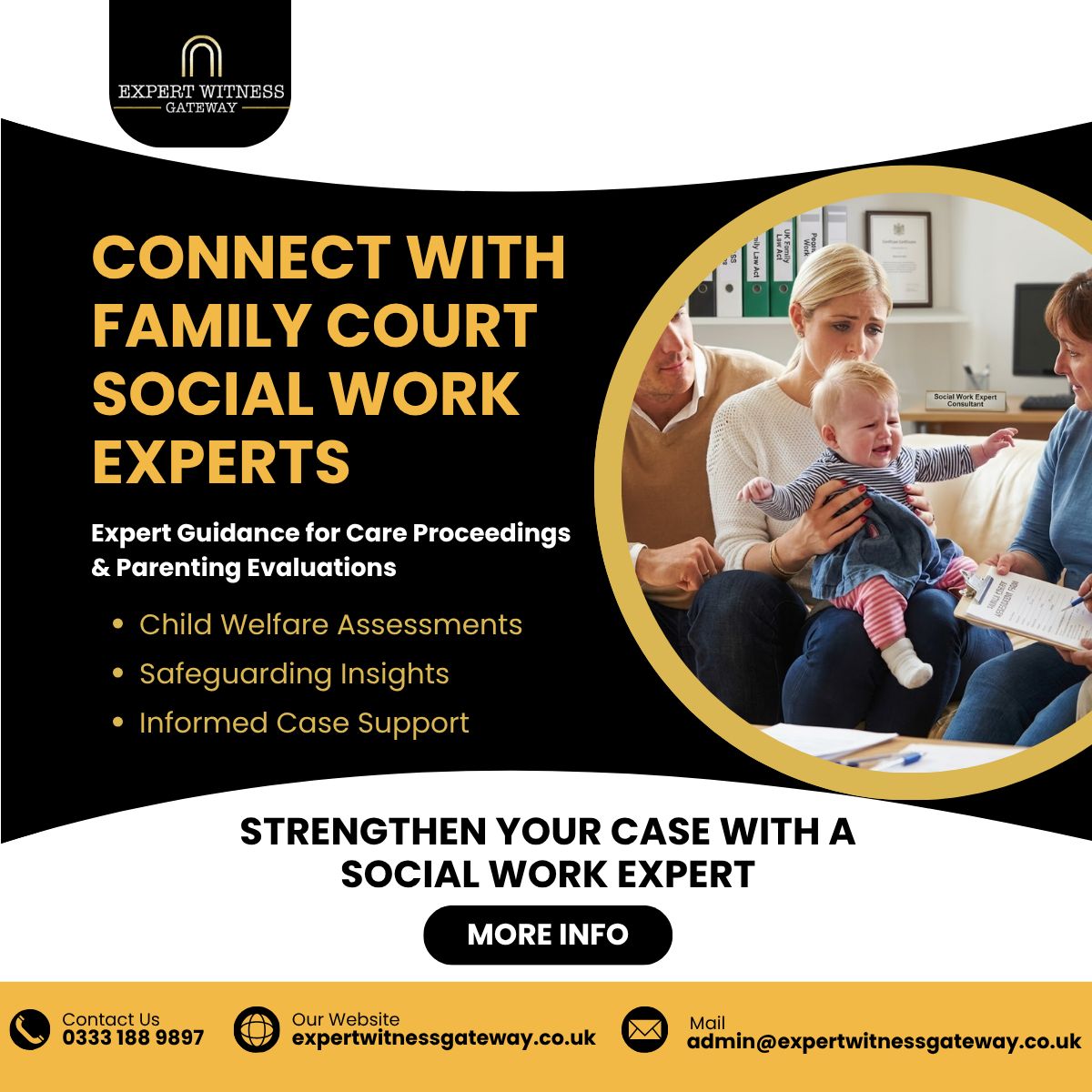
Social Worker
A Social Worker acting as an expert witness offers independent, specialist opinions to the Family Court regarding child welfare, safeguarding, and family dynamics. These experts are typically qualified social workers, registered with Social Work England, and possess extensive post-qualification experience in statutory or independent child and family social work.
Social worker experts are often engaged when the court requires an unbiased assessment that goes beyond the evidence presented by the local authority or CAFCASS. Their role is to support the court by delivering impartial, evidence-based insights rooted in professional practice, research, and statutory guidance. They must adhere fully to the Family Procedure Rules (FPR) Part 25, relevant Practice Directions, and the overarching duty to the court that is shared across all expert evidence frameworks. Independence, transparency, and proportionality are fundamental to their role.

Forensic Accountant
Forensic accountancy employs accounting, auditing, and investigative methodologies to address legal disputes. A forensic accountant scrutinises intricate financial data to aid the court in comprehending issues such as fraud, valuation, or financial loss. Professionals in this discipline are typically chartered accountants or chartered management accountants (such as FCMA or CGMA) and may also possess memberships in esteemed organisations like the Academy of Experts (MAE) or the Expert Witness Institute (MEWI).
The core obligation of these experts is to the court rather than to the party that instructs them. According to the Civil Procedure Rules Part 35, Family Procedure Rules Part 25, and Criminal Procedure Rules Part 19, experts are required to operate independently, maintain objectivity, and ensure their reports conform to the standards necessary for admissible expert evidence.
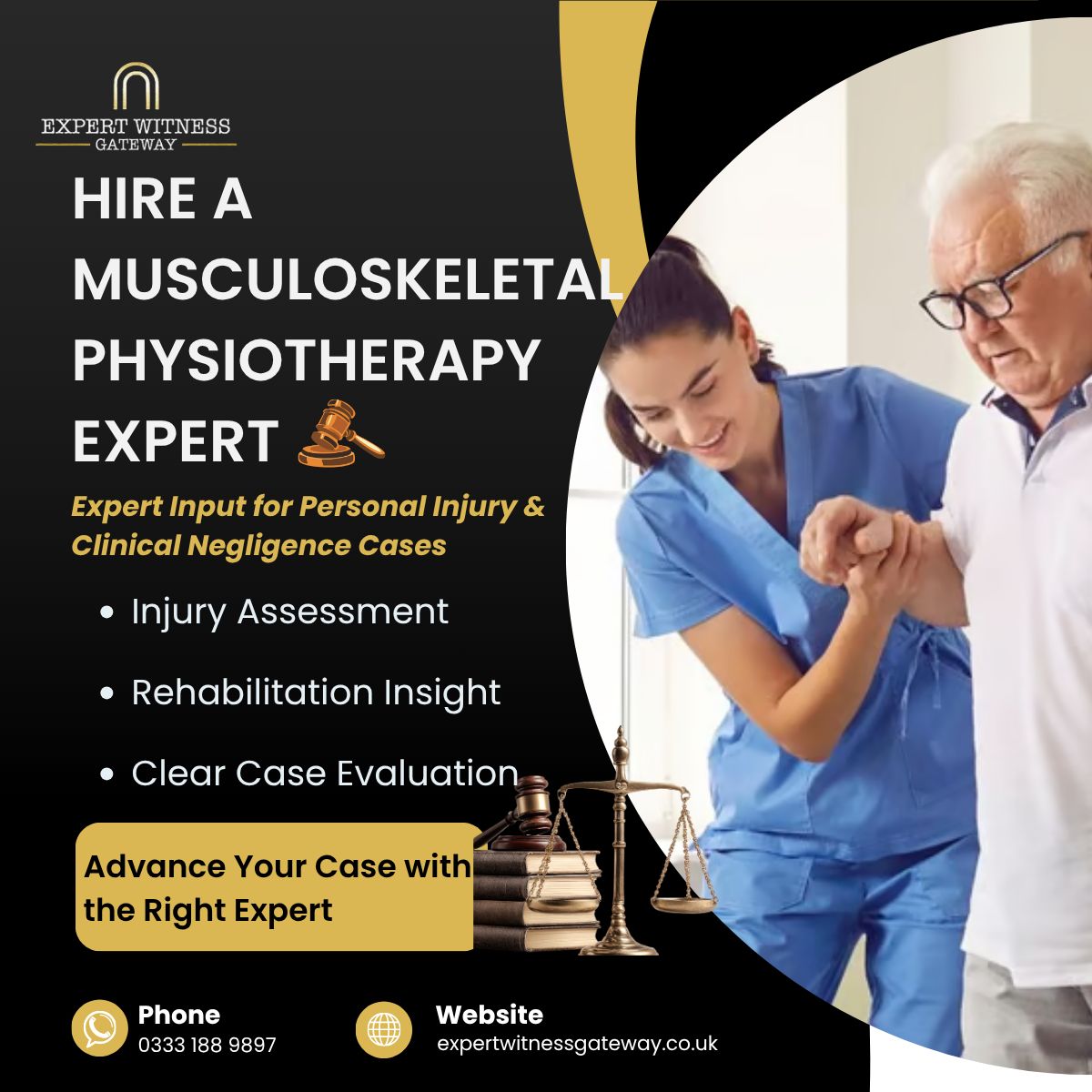
Musculoskeletal Physiotherapist
Musculoskeletal (MSK) physiotherapists are highly qualified clinicians who specialise in the assessment, treatment, and rehabilitation of injuries and conditions affecting muscles, bones, joints, and soft tissues. As expert witnesses, they provide impartial, evidence-based opinions to the court regarding functional impact, rehabilitation needs, prognosis, and the cost of ongoing care. Their insights can be crucial in cases where physical capability, therapy requirements, or long-term outcomes are contested.
It is important to note that the title “Physiotherapist” is protected and regulated by the Health and Care Professions Council (HCPC). Expert physiotherapists typically hold membership with the Chartered Society of Physiotherapy (CSP) and are often affiliated with the Medico-Legal Association of Chartered Physiotherapists (MLACP), which advocates for high standards in medicolegal practice. Unlike professional witnesses, who merely provide factual accounts of the treatment rendered, expert witnesses are expected to be independent, objective, and experienced in reporting in accordance with the relevant court rules.

Paediatric Haematology
A paediatric haematologist can provide crucial expert opinion across various types of legal cases within the UK court system, including civil, criminal, family, and coroner’s courts. Their specialised knowledge encompasses blood disorders and diseases in children, offering solicitors insights that significantly impact the outcome of a case.
Civil Courts
In civil claims, paediatric haematologists assess clinical negligence cases, particularly those involving delayed diagnosis, treatment errors, or mismanagement of conditions like leukaemia, sickle cell anaemia, haemophilia, and other blood disorders. Their evidence assists courts in understanding complex medical details, causation, prognosis, and life expectancy, informing quantum calculations and settlement decisions.
Criminal Courts
Within criminal proceedings, paediatric haematologists provide critical expert analysis in child abuse or assault cases. They help distinguish between accidental injuries, medical conditions mimicking abuse, and deliberate harm. Disorders such as haemophilia, immune thrombocytopenia, and other bleeding or bruising disorders often feature prominently, requiring expert clarification on the nature and origin of bruises or bleeding, thus impacting the determination of guilt or innocence.
Family Courts
In family law cases, particularly in care proceedings, paediatric haematologists inform decisions regarding child welfare and protection. Their expertise is vital when addressing unexplained injuries or suspected neglect cases, providing clarity on whether symptoms are due to underlying medical conditions or external trauma. Courts heavily rely on this testimony to decide the most appropriate arrangements for child custody and safeguarding.
Coroner’s Courts
Paediatric haematologists play a pivotal role in inquests concerning sudden or unexpected child deaths. They help coroners establish cause-of-death scenarios by examining medical histories, lab results, and interpreting autopsy findings. Conditions like sepsis, severe anaemia, coagulation disorders, or sudden deaths in sickle cell crises require expert haematological insight to clarify causation accurately.
Adherence to UK Court Rules
The role of paediatric haematologists as expert witnesses is governed by strict procedural rules across all courts, including the Family Procedure Rules (Part 25), Criminal Procedure Rules (Part 19), and Civil Procedure Rules (Part 35). Experts must remain independent, objective, and impartial, fulfilling an overriding duty to the court above any instructing party. They provide evidence through detailed written reports, clearly identifying facts, assumptions, and opinions, and may give oral evidence subject to cross-examination, ensuring transparency and fairness.
Expert Witness Gateway Support
Through the Expert Witness Gateway, solicitors have access to rigorously vetted paediatric haematology experts skilled in report writing, courtroom testimony, and familiarisation with court procedures and rules. This ensures solicitors receive high-quality expert insights integral to building robust, credible cases. The Gateway facilitates the seamless engagement of these experts, enhancing the effectiveness of legal advocacy and contributing to just outcomes in sensitive and complex child-related matters.
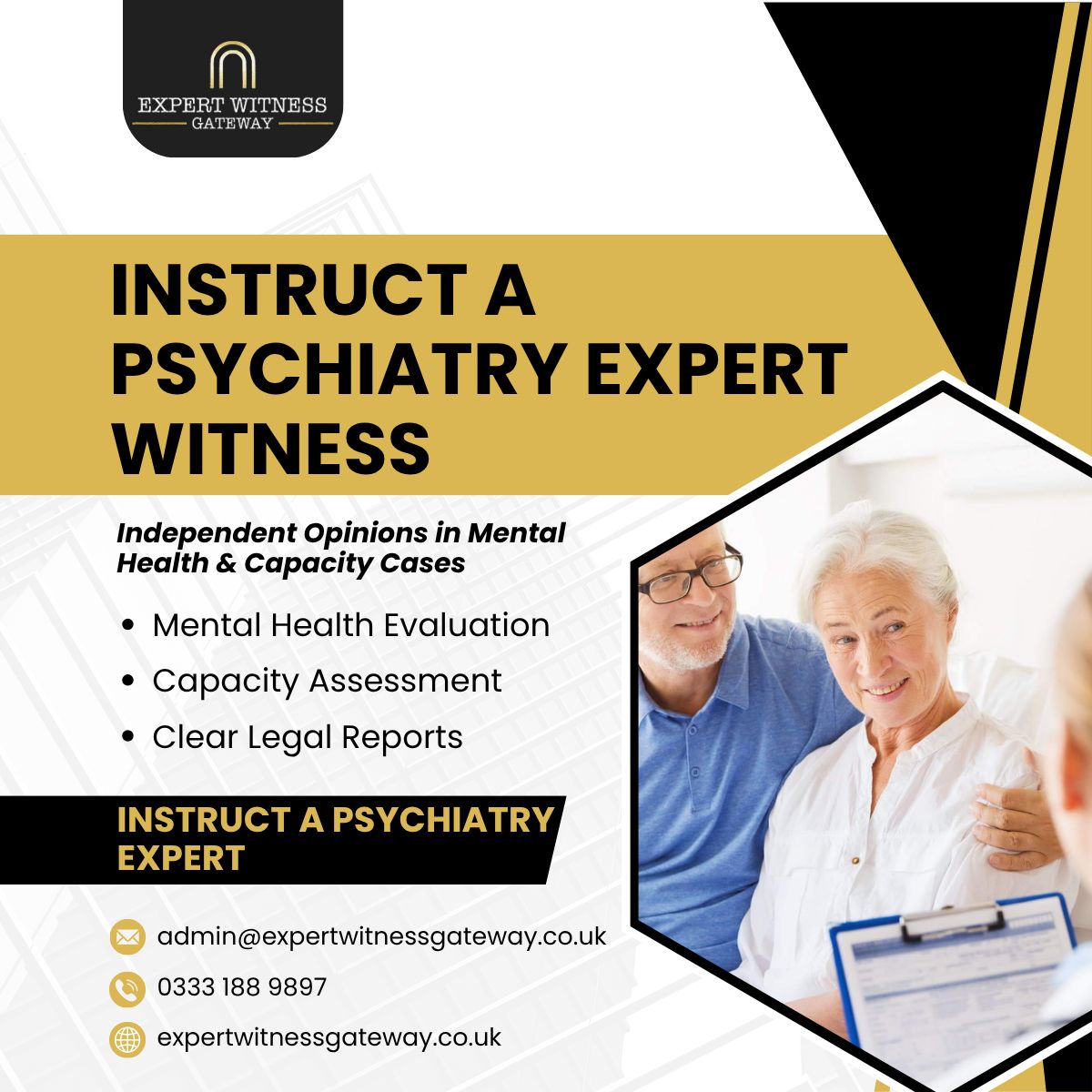
Psychiatry Expert Witness
Psychiatrist Expert Witness — How They Assist Across UK Courts (Adult)
What psychiatrists doConsultant psychiatrists provide independent, clinically-grounded opinions on diagnosis, capacity, risk, causation and prognosis. Their overriding duty is to the court, not the instructing party, and expert evidence must comply with the relevant procedural codes (CPR Part 35; CrimPR Part 19; FPR Part 25). Reports include methodology, reasoned opinions and a compliant statement of truth/declarations.
Criminal courts (Magistrates’ & Crown Court)Common questions include fitness to plead/stand trial, insanity and diminished responsibility, participation measures, risk and disposal options (e.g., Mental Health Act hospital/restriction orders). A psychiatrist assesses diagnosis, cognitive abilities and each limb of the Pritchard test; if unfit, the court proceeds under the Criminal Procedure (Insanity) Act (including a trial of facts). Opinions also inform sentencing and treatment pathways; experts must remain objective under CrimPR r.19.2.
Civil courts (County Court & High Court)Psychiatrists opine on primary/secondary psychiatric injury (e.g., PTSD, depression), causation and apportionment, litigation capacity, prognosis, treatment and functional impact (work and daily living). Expert evidence is limited to what is reasonably required; courts may direct single joint instruction and experts’ meetings/joint statements. Reports and conduct must follow CPR 35 and PD 35 (independence, balance, consideration of contrary facts, and clear reasoning).
Family courts (FPR Part 25)Adult psychiatrists are instructed where a parent’s mental illness may affect parenting capacity, safeguarding risk and welfare planning. The court’s permission is required and expert evidence is restricted to what is necessary; directions set the questions, timescales and attendance. Reports must comply with PD 25B (duties, report content, statement of truth) and remain strictly impartial.
Coroners’ courts (Inquests)Psychiatrists assist with causation and prevention in deaths involving mental disorder (e.g., suicide), reviewing care pathways, risk assessment and system issues. Coroners have a wide discretion whether to call expert evidence and will do so where it assists with the statutory questions.
Immigration & Asylum Tribunal (FtT/UT IAC)Experts diagnose trauma-related and other disorders (e.g., PTSD, major depression, psychosis), evaluate credibility impacts, assess suicide/self-harm risk, and advise on fitness to give evidence, detention and removal risks. The current Tribunal Practice Direction (1 Nov 2024) emphasises independence, clarity, and focused evidence and signposts the Equal Treatment Bench Book and vulnerable-witness guidance; separate presidential guidance covers litigation friendswhere capacity to conduct proceedings is in doubt.
Fitness to plead / fitness to stand trial — summaryQuestion: Can the defendant participate effectively now? Psychiatrists evaluate understanding of proceedings, ability to instruct lawyers, comprehend evidence and engage with the process (the Pritchard criteria). If unfit, the judge may order a trial of facts under the Criminal Procedure (Insanity) Act; recommendations should also address adjustments that might restore fitness.
What to provide on instructionLetter of instruction with specific questions tied to the legal test; full medical/mental-health records; witness statements; custody/detention records (if relevant); chronology; and any prior reports. Ask the expert to state assumptions, limitations and any further information required to reach a safer conclusion, consistent with the procedural codes above.
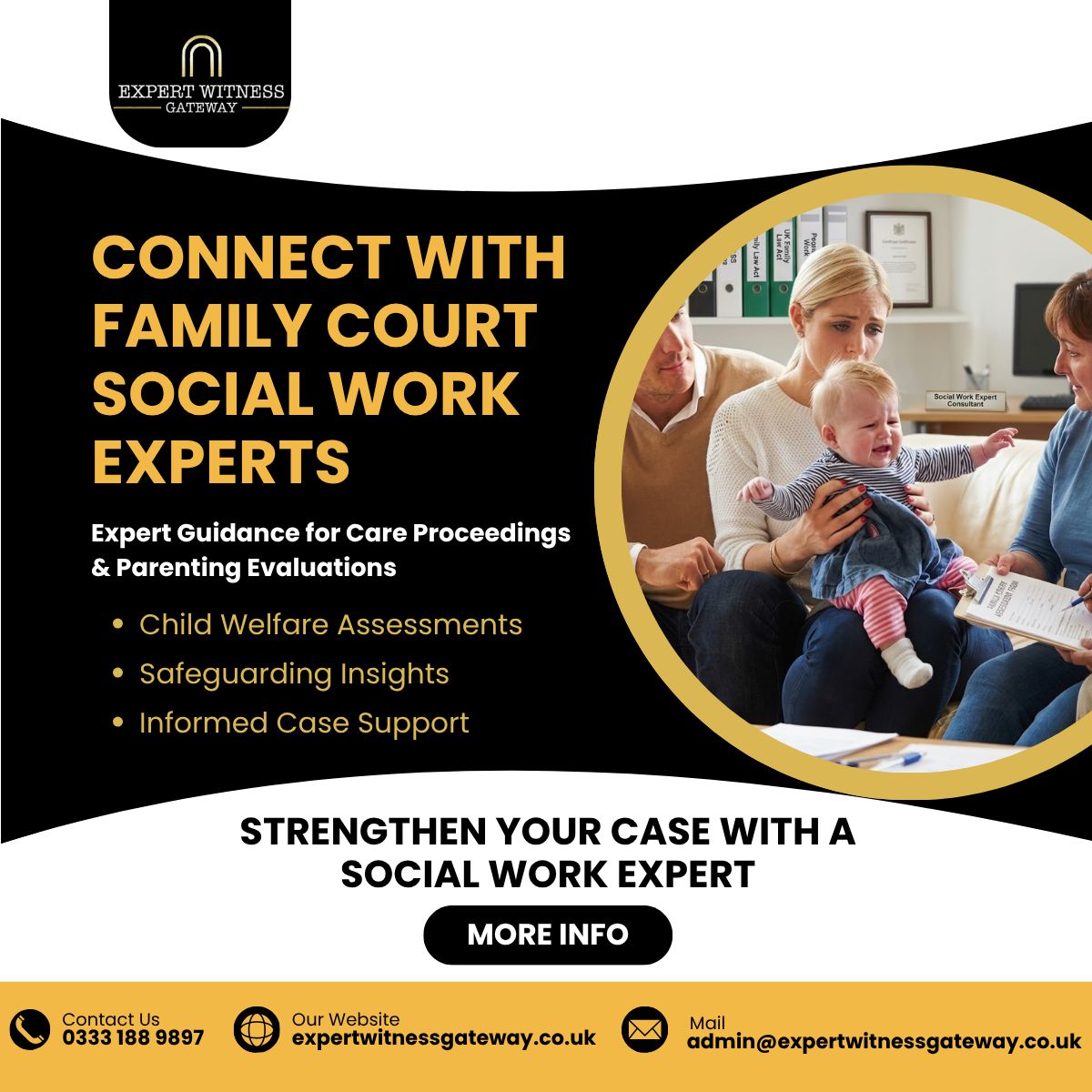
Social Worker Expert Witness
Social Worker – Expert Witness (Family Court)
A. Introduction
A Social Worker acting as an expert witness provides independent, specialist opinion to the Family Court on matters concerning child welfare, safeguarding, and family functioning. These experts are typically qualified social workers, registered with Social Work England, and possess extensive post-qualification experience in statutory or independent child and family social work.
Social worker experts are frequently instructed where the court requires an objective assessment beyond the evidence of the local authority or CAFCASS. Their role is to assist the court by providing impartial, evidence-based opinions grounded in professional practice, research, and statutory guidance. They must comply fully with Family Procedure Rules (FPR) Part 25, relevant Practice Directions, and the overarching duty to the court shared across all expert evidence frameworks. Independence, transparency, and proportionality are central to their function.
B. Typical Case Types (Family Court Only)
Social worker expert witnesses are instructed in both public law and private law family proceedings, including:
Care proceedings under the Children Act 1989
Threshold and risk assessments relating to allegations of abuse or neglect
Parenting capacity assessments, including capacity to change within the child’s timescale
Special Guardianship and kinship assessments
Pre-birth assessments
Contact and child arrangements disputes where issues are complex or disputed
Domestic abuse and safeguarding assessments
Substance misuse, mental health, learning disability or vulnerability assessments
Sibling relationship and placement assessments
Expert evidence is only permitted where it is necessary to assist the court to resolve the proceedings justly, in accordance with FPR Part 25.
C. Role of the Expert Witness
The social worker expert’s role is to provide an independent professional assessment of family circumstances and child welfare issues. They are not advocates for any party and do not determine outcomes.
Their contribution includes:
Undertaking structured assessments using recognised social work frameworks
Analysing parenting capacity, risk of significant harm, and protective factors
Evaluating attachment, emotional development, and the impact of family dynamics
Advising on support needs, risk management, and welfare considerations
Experts may address questions such as:
Can the parent meet the child’s needs safely now and in the future?
What risks exist, and how manageable are they?
What is the likely impact of proposed care or contact arrangements on the child?
D. Evidence and Reporting
Social worker experts undertake detailed investigations which may include:
Interviews with parents, children (where appropriate), and extended family
Home visits and observation of parent–child interaction
Review of social care, medical, education, and police records
Use of structured tools (e.g. parenting or risk assessment frameworks)
A typical expert report includes:
The expert’s qualifications and experience
The instructions and questions addressed
Evidence reviewed and methodology applied
Factual findings and professional analysis
Clear, reasoned expert opinion within the expert’s remit
A statement of compliance and Statement of Truth
Reports must be balanced, evidence-based, and compliant with court rules and Practice Directions.
About us
Expert Witness Gateway is an easy-to-use platform where UK solicitors can locate, engage, and collaborate with verified legal expert witnesses all in one place. Lawyers can create a profile to quickly connect with trusted specialists for complex cases or specific expert witness services.
At Expert Witness Gateway, our goal is to connect solicitors with expert witnesses efficiently. Built on clarity, fairness, and trust, the platform gives solicitors and experts confidence and control—allowing solicitors to manage cases easily while experts oversee their time, fees, and workload.
Our network spans multiple fields, including medico-legal, safeguarding, finance, forensic science, and more. From medico-legal reports to court opinions, the platform provides easy access to all expert witnesses.
Our Services Include:
Solicitors Registration
For solicitors, choosing the right expert witness can be critical to the outcome of a case. Expert Witness Gateway is a dedicated platform that streamlines the process, making it easy to find, engage, and understand how to instruct qualified experts efficiently.
Experts Registration
Expert Witness Gateway is the UK’s dedicated platform for registering expert witnesses, connecting professionals with solicitors in need of expert evidence. By registering, experts gain visibility within a trusted legal network and access to case opportunities in family, criminal, civil, and clinical negligence law.
With streamlined communication, clear instructions, and a structured workflow, all information is stored in one place. Featuring court-compliant tools, conflict checks, and collaboration features, the Gateway enables users to manage expert evidence efficiently and reliably.
The system is simple and transparent, with no hidden steps or unexpected fees, providing clear support for professional casework from beginning to end.
Expert Witness Gateway is the UK’s platform for linking solicitors with verified expert witnesses. For any case requiring a legal report, its integrated CRM system provides exceptional transparency, control, and clarity in case management.

Images