Company details for:

Qualitation
(10)
Qualitation Logo 001

66 Elms Drive,
Oxford,
Marston,
Oxfordshire,
OX3 0NL ,
United Kingdom

Quick Links:

Products / Services

Advice - Deciding if ISO Standards Are Right for You

Considering ISO Certification? ISO Standards can greatly improve efficiency, control, and productivity while helping your organisation meet industry or tender requirements. They deliver internal, external, and reputational benefits that enhance performance and credibility across all sectors. The cost, time, and level of work involved can be clearly defined before starting, and in complex cases, a GAP analysis may be needed. For tailored guidance or a detailed proposal, contact us to discuss which ISO Standard best suits your business goals.

Design, Creation & Installation of Standards

Once you decide to pursue ISO Certification, we design and implement a management system tailored to your operations—minimising disruption while maximising long-term benefits. Our consultants work closely with your team to align new processes with existing ones, ensuring smooth integration. We guide you through every stage, from documentation and staff training to internal audits and management reviews. With over 20 years of experience and a 100% first-time pass rate, we guarantee successful completion of both Stage 1 and Stage 2 assessments, leading to full ISO Certification.

Internal Audit Assistance

Internal audits are a core requirement of ISO Standards, designed to ensure that an organisation’s procedures are being followed, remain effective, and continue to improve over time. They involve regular reviews of processes to identify discrepancies, confirm compliance, and uncover opportunities for improvement. Conducted by trained internal staff or external consultants, audits promote continual development, accountability, and efficiency. The process is collaborative—not about assigning blame—but about refining systems and enhancing performance. Audit findings feed into management reviews, helping guide organisational progress and resource allocation. Typically carried out annually (or more frequently if desired), internal audits are essential for maintaining compliance, demonstrating improvement, and fostering a culture of learning and operational excellence.

Management Reviews

A Management Review is a core ISO requirement designed to evaluate an organisation’s performance, ensure procedures remain effective, and drive continual improvement. It brings together key management, ISO administrators, and often board members to assess feedback from staff, customers, auditors, and other stakeholders, aligning these insights with business goals to plan necessary changes. This process ensures that systems stay up to date, corrective actions are implemented, and strategies are effectively translated into operational improvements. Conducted at least annually, Management Reviews form a vital part of the ISO “Plan-Do-Check-Act” cycle—providing a structured forum to review progress, identify opportunities, and guide future development, ensuring compliance, efficiency, and long-term organisational growth.

Rescue Service

Qualitation’s Rescue Service provides urgent ISO support when organisations face critical issues, such as an ISO manager’s sudden absence, looming certification deadlines, lost system records, or unexpected disruptions like fire or flooding. Our consultants quickly assess the situation, develop a solution plan, and provide the manpower needed to resolve the problem within tight timeframes and budgets. The service focuses on immediate, fit-for-purpose results to safeguard certification, prevent operational disruption, and buy time for any remaining tasks to be handled internally once the crisis is managed.

Pre-Assessment Reviews

A Pre-Assessment Review is a proactive check of an organisation’s ISO systems before the official assessment, ensuring they meet the required standards and avoiding costly failures or embarrassment. Conducted by an experienced internal or external consultant, it mirrors the certifier’s assessment, reviewing records, documentation, audits, and staff interviews. Any issues identified are corrected immediately or noted with an action plan, ensuring the organisation is fully prepared. Typically carried out at least a month before the formal assessment, the review highlights strengths, addresses weaknesses, and provides recommendations for improvement, giving confidence that the ISO assessment will succeed.

Post-Assessment Assistance

Post-Assessment Assistance helps organisations address non-conformances identified during an ISO assessment, often due to gaps in in-house expertise, staff loss, or other disruptions. A consultant reviews each issue, implements required changes, and may attend the next assessment to liaise with the assessor. This service ensures corrective actions are effective, timely, and aligned with ISO requirements, safeguarding certification and supporting long-term compliance.

Quality+ ISO Standards

Quality+ ISO Standards put your business ahead by embedding world-class quality management practices. ISO certification, led by the International Organisation for Standardisation, ensures your products and services consistently meet customer and regulatory requirements. Linking ISO 9001 with ISO 14001 and 45001 drives efficiency, reduces waste, boosts staff morale, and strengthens customer retention and financial performance.

ISO 9001 Quality Management System

ISO 9001 is a globally recognised Quality Management System standard from the International Organisation for Standardisation, with over 2.1 million certified organisations across 170 countries. By implementing a structured quality management system, ISO 9001 helps organisations streamline operations, improve efficiency, enhance customer and staff satisfaction, reduce turnover, and increase profitability. It focuses on excellence not only in products or services but across the entire operation, demonstrating a clear commitment to quality and giving certified organisations a competitive edge over non-certified rivals.

ISO 14001 Environmental Management System

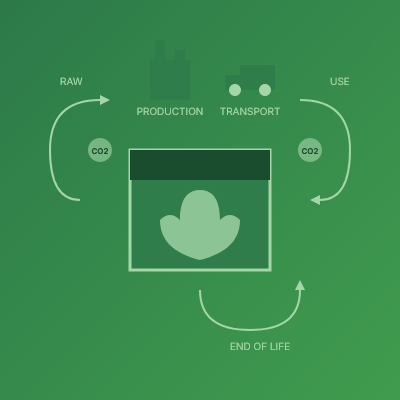
ISO 14001 is a globally recognised Environmental Management System standard designed to help organisations of all sizes reduce their environmental impact while maximising positive operational effects. With growing public concern over sustainability and climate change, certified businesses gain credibility, enhance brand reputation, engage employees, and build customer trust, often boosting sales. The standard requires maintaining a legal register of relevant environmental legislation and a register of potential environmental impacts, guiding organisations to adapt processes across procurement, production, distribution, and more. By implementing ISO 14001, businesses demonstrate commitment to sustainable practices, strengthen stakeholder confidence, and contribute to long-term growth.

ISO 45001 Health & Safety Management

ISO 45001 is a globally recognised Health & Safety Management standard that helps organisations of any size or industry protect their workforce and remain compliant with evolving legislation. Replacing OHSAS 18001, it requires maintaining a legal register of applicable health and safety laws and a risk register identifying potential hazards to employees. Certification demonstrates a safety-first culture, formalises health and safety procedures through efficient documentation, and is verified by third-party assessment. By implementing ISO 45001, organisations safeguard their most valuable asset—their people—while fulfilling both legal and moral responsibilities.

Aviation & Aerospace Quality Management Systems Standards

Aviation & Aerospace Quality Management Systems (AS Standards) adapt ISO 9001 for the highly regulated aviation, space, and defence sectors, where safety and reliability are critical. AS9100 covers manufacturing, ensuring products meet industry and customer requirements while enhancing efficiency, traceability, and workforce engagement. AS9110 focuses on maintenance, reducing faults and boosting performance through rigorous monitoring and proven practices. AS9120 addresses distribution, safeguarding components, ensuring traceability, and improving customer confidence. Achieving these standards demonstrates compliance, enhances operational excellence, and positions businesses to meet industry demands, with guidance from experienced aviation Qualitators throughout the certification process.

AS9100, AS9110 & AS9120 Aerospace Quality Management Systems

ChatGPT said:

The AS9100, AS9110, and AS9120 standards are specialized Aerospace Quality Management Systems for the Aviation, Space, and Defence sectors, where compliance is critical as lives and safety are at stake. While based on ISO 9001, these standards are tailored to specific industry needs, covering manufacturing (AS9100), maintenance (AS9110), and distribution (AS9120), and include sector-specific risk management and monitoring requirements. Compliance is often mandated by clients due to the highly regulated nature of the industry. Expert Qualitators can guide organisations through certification, advising on the appropriate standard and certifier to ensure full operational and regulatory alignment.

Automotive ISO Standard

The Automotive ISO standard, developed from ISO 9001 and now updated as IATF 16949:2016, is tailored for the automotive sector to ensure suppliers meet the quality, reliability, and efficiency requirements demanded by manufacturers. It provides a structured framework for internal processes, staff training, quality controls, customer satisfaction, and supply chain management, helping organisations optimise operations and maintain high standards to remain competitive in the industry.

IATF (ISO/TS) 16949 Automotive Quality Management

IATF (ISO/TS) 16949 is an Automotive Quality Management standard for organisations involved in the design, development, production, installation, or servicing of automotive-related products. Building on ISO 9001, it focuses on monitoring customer feedback, implementing improvements, and maintaining regular management reviews, while also addressing automotive-specific requirements such as sub-contractor management. Certification demonstrates a professional, well-organised operation, instills confidence in customers, and is scalable for companies of all sizes within the automotive supply chain.

Laboratory & Medical ISO Accreditation

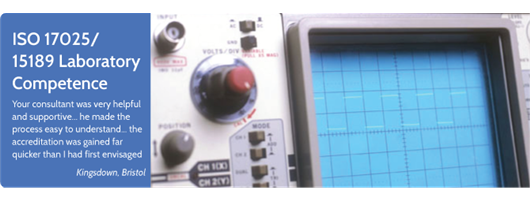
Laboratory and medical ISO accreditation ensures that labs and healthcare organisations meet the highest standards of quality, reliability, and compliance. Standards like ISO 17025 (lab competence and calibration), ISO 15189 (medical lab quality), ISO 13485 (medical devices), and ISO 14971 (risk management for devices) help improve operational efficiency, ensure accurate and repeatable results, demonstrate competence, and support regulatory compliance, while reinforcing trust in your scientific or medical processes.

CE Marketing Certification for Medical Devices

CE Marking for medical devices demonstrates that products meet all applicable legislative requirements, supported by ISO 13485 certification, which builds on ISO 9001 with healthcare-specific elements. It is a legal requirement for many devices sold within the EU and is recognised in other countries, ensuring regulatory compliance and harmonised standards. Achieving CE marking involves identifying relevant legislation, testing products, compiling technical documentation, and correctly displaying the mark. ISO 13485 and CE compliance signal to customers that your organisation adheres to global quality standards, streamlining cross-border approvals. Qualitation’s experts assist with registration, documentation, and the CE process, leveraging extensive experience to save time and ensure compliance.

IT & Information Security ISO Certification

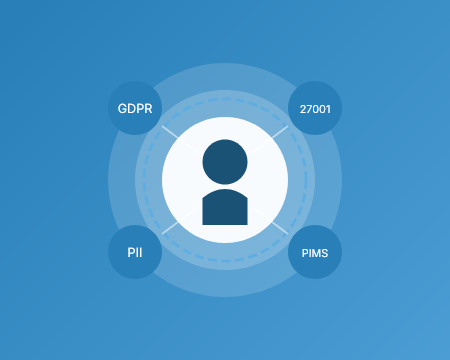
IT and Information Security ISO certification helps organisations protect data, systems, and intellectual property in an increasingly digital world. ISO 27001 provides a framework for an Information Security Management System (ISMS), helping businesses manage risk, prevent breaches, safeguard sensitive information, and reassure customers and partners that their data and assets are secure.

Lean Management

Lean Management is a continuous improvement approach that enhances an organisation’s processes through small, incremental changes, boosting efficiency, effectiveness, and resource use. It focuses on five key areas: delivering customer value, optimising the product value stream, minimising waste and improving flow, producing to demand rather than stockpiling (pull/Just-In-Time), and striving for perfection through quality controls and staff engagement. Small changes can create ripple effects, compounding overall impact, while evaluating each stage of a product’s lifecycle—including sourcing, processing, and disposal—ensures the most effective and sustainable approach. Tailoring the methodology to your organisation’s goals maximises results and operational improvements.

6 Sigma

6 Sigma is a methodology designed to optimise organisational processes by reducing variability, improving performance, and driving defect reduction, quality enhancement, customer satisfaction, and profitability. The term “sigma” reflects statistical control, with 6 Sigma indicating that 99.9999% of processes are effectively managed. The approach equips staff with the right tools and training—progressing through belt levels to Black Belt certification—so they can implement continuous improvement effectively. Benefits extend to both the organisation, through enhanced processes and operational efficiency, and staff, through recognised qualifications, deeper understanding of improvements, and career development. This dual focus fosters a resilient, high-performing organisation with motivated, skilled employees.

Team Building

Team Building is essential for any organisation with more than one person, as it helps individuals understand their strengths, roles, and how to work together effectively to benefit the organisation. Conflicts or inefficiencies often arise when roles are unclear, unsuitable, or unfilled, and resolving these requires recognising the problem, identifying its causes, and taking corrective action. Team Building works by creating opportunities for staff to interact in new ways—through collaborative work tasks, problem-solving exercises, or outdoor activities—allowing them to see different perspectives, build trust, and develop stronger interdepartmental relationships. Activities may include risk-based exercises, creative challenges, or role rotations, often guided by a moderator to maintain focus on issues rather than personalities. Psychological testing can also help identify the best roles for individuals. Ultimately, effective Team Building enhances communication, collaboration, morale, and organisational performance, while reducing friction and misunderstandings.

Productivity

Productivity measures the efficiency of converting resources into output, often expressed in monetary terms, and is used to compare teams, organisations, or even nations to identify best practices. While comparisons can be complicated by differing measurement methods, products, or cultural and operational contexts, productivity remains a key indicator of organisational efficiency and competitive advantage. Historical improvements, such as advances in agriculture, illustrate how enhanced productivity can dramatically increase output, though sometimes with unintended consequences. Improving productivity generally involves producing more with the same input, maintaining output with fewer resources, or ideally, producing more with less input, but identifying effective changes becomes increasingly complex as processes grow in scale and variety. Staff training is a critical lever, as it ensures individuals understand their roles, recognise potential improvements, and are motivated to contribute effectively, enhancing morale, skills, and overall organisational performance. Measuring and optimising productivity allows organisations to work smarter, reduce waste, and remain competitive over the long term.

Psychological Testing

Psychological Testing is a structured, objective method for assessing an individual’s capabilities, behaviors, and personality traits to determine the roles they are best suited for, identify potential conflict areas, and guide future development. Typically delivered through extensive, randomised multiple-choice questionnaires, these tests generate scores across various parameters, with no “right” or “wrong” answers, highlighting differences rather than better or worse performance. The results are reviewed by a moderator and then shared with the individual, offering insights into their strengths, tendencies, and opportunities for growth. For organisations, these insights support team building, conflict resolution, targeted training, and strategic workforce planning, helping to optimise team composition, improve collaboration, and enhance both individual and organisational performance.

Change Management

Change Management is the structured process of guiding individuals and organisations through transitions to minimise disruption, stress, and resistance while maximising positive outcomes. It combines tools and techniques to help staff understand, accept, and adapt to changes, ensuring that organisational goals are achieved efficiently. Effective Change Management involves engaging all levels of the organisation, aligning the culture with the change, and periodically reviewing progress to adapt as needed. By supporting individuals through typical emotional stages—from denial to acceptance and eventual enthusiasm—Change Management reduces negative impacts on operations, maintains morale, and accelerates the adoption of new processes, suppliers, or systems. Each situation is unique, so tailored planning and expert guidance are key to implementing change successfully.

Training Courses Offered

Qualitation offers a comprehensive range of business improvement training courses across multiple disciplines, delivered by field specialists either on-site, at our training centres, or at other suitable locations nationwide. Courses cover ISO 9001 Quality Management (including Foundation, Internal Auditing, and IRCA Lead Auditor programs), ISO 14001 Environmental, ISO 45001 Health & Safety, ISO 27001 Information Security, IATF 16949 Automotive, AS 9100 Aerospace Quality, and broader business improvement topics. If a specific course is not listed, we can often source a suitable trainer. To learn more or book a course, complete the form in the relevant training section, or use the Contact Us form for general inquiries or courses not currently shown.

About us

Since 1998, Qualitation has been dedicated to helping companies across the UK implement ISO standards.

We offer ISO audit services, guidance on ISO standards, training, and structured progress reviews. Our primary goal is to drive financial returns and foster business growth and efficiency by facilitating the adoption of ISO standards.

Our ISO consultants, referred to as Qualitators, are selected for their industry expertise, extensive ISO knowledge, and keen attention to detail. We will match you with the ideal Qualitator for your business, who will serve as your mentor and guide, ensuring you achieve ISO certification on your first attempt.

Qualitation covers a comprehensive range of standards to support diverse industry needs. These include ISO 9001 for Quality Management, ISO 14001 for Environmental Management, ISO 45001 for Health & Safety, ISO 13485 for Medical Devices, ISO 15189 for Medical Laboratory Competence, and ISO 17025 for Laboratory Competence. For data security, Qualitation offers ISO 27001, with an ISO 17601 GDPR add-on to enhance data protection. Additionally, they cover standards tailored for specialised sectors: AS9100 for Aviation, Space, and Defense Manufacturing; AS9110 for Maintenance and Repair in these fields; and AS9120 for the Component Supply Chain. Cyber Essentials certification and ISO 50001 for Energy Management are also available to meet modern security and sustainability requirements.

Our Services Include:

Advice on ISO Standards

There is a great deal to discuss on this topic. We have organised our response by addressing specific questions. If you believe we have overlooked anything or would like a more tailored response, please don’t hesitate to reach out to us directly.

Design, Creation and Installation of ISO Standards

Once you decide to pursue certification and enjoy the advantages of an ISO standard, the next step we can assist with is ensuring you implement systems that function efficiently while still achieving the certification you desire.

Internal Audit Assistance

Typically, the auditor examines one procedure within the ISO standard at a time. They assess the requirements of that procedure and prepare a set of questions to evaluate its appropriateness. Ideally, these questions should differ from those used in the previous audit. However, if a non-compliance issue was identified, it should be revisited in the next audit to verify that corrective measures have been implemented.

Management Reviews

The Management Review is a crucial element in guiding the organisation’s development. It enables necessary changes to be integrated into updated procedures, providing staff with clear directions on what actions to take. Without this process, announcements from the Board about impending changes may occur without clear guidance on what specifically needs to be done differently, often resulting in no actual change.

Training Courses

Qualitation is pleased to offer a variety of training courses that cover numerous disciplines within the business improvement sector. These courses are conducted by specialists in their respective fields and can take place at your organisation, at our training facilities, or at other appropriate locations throughout the country.

… And more.

The ISO system comprises a set of top operational procedures and practices adopted by companies worldwide. A business that operates under ISO principles is, by definition, considered world-class.

For over twenty years, we have assisted organisations in improving their processes, performance, and customer satisfaction. We firmly believe that implementing an ISO quality management system yields significant advantages for businesses.

ISO certification offers concrete benefits, ensuring that the effort invested in obtaining the certification yields valuable returns. With improved input, the output also increases. That’s why our skilled and experienced team of Qualitators is prepared to partner with you on the path to a more profitable future, regardless of your industry or business size.
Images

Videos

Brochures

Reviews

Trade Associations

TUV Nord ISO 9001 UKAS Management Systems Logo
Lloyd''s Register Logo
BSI Associate Consultant Logo
British Assessment Bureau Logo

Request a Quote