13 October 2025 | Pragmatic Consulting Ltd
Key Training to Propel Careers in the Utilities Sector
The utilities industry faces growing safety and compliance demands. This article highlights essential training courses such as SHEA, CAT & Genny, and confined space safety, that help professionals work safely, avoid utility strikes, and meet regulatory standards. Investing in proper training builds competence, reduces risk, and supports a safer, more efficient workforce.
As the utilities sector evolves, responding to new technologies, infrastructure demands and stricter safety standards; professionals must keep pace. Well-targeted training does more than satisfy regulations: it fosters safer working environments, builds technical confidence, and supports career growth. Below is a guide to the courses making the biggest impact today in utilities.
1. Utility Safety & SHEA (Safety, Health & Environmental Awareness)
Understanding hazards and environmental standards is foundational in utilities. A SHEA course equips operatives, supervisors and project staff with critical awareness of:
•Risks around electrical, gas or water networks
•Environmental protection and regulatory compliance
•Safe work planning, toolbox talks, and permit systems
For many utilities clients, SHEA certification is a baseline requirement before accessing sites or contracts.
2. Cable Avoidance / CAT & Genny Training
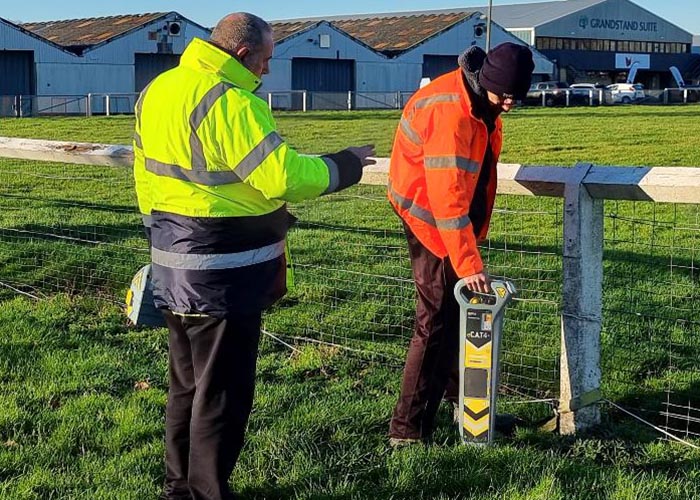
Service strikes and damaging underground utilities remain among the most common causes of serious incidents on construction or maintenance sites. That’s why CAT & Genny training (often under EUSR Category 1 “Locate Utility Services / HSG47”) is so widely mandated. Key learning outcomes include:
•Correct use of cable avoidance tools and signal generators
•Interpreting results and marking safe zones
•Integration of detection with site plans and safe excavation procedures
Technically skilled locators help prevent disruption, protect infrastructure, and reduce liability.
3. Confined Spaces, Excavation & Site Safety Courses
Much of utilities work occurs in challenging environments, trenches, pits, ducting, or inside chambers. Specialised courses in confined space entry, safe excavation, and site safety protocols cover:
•Ventilation, gas testing, rescue procedures
•Support systems (shoring) and safe access routes
•Risk assessments and permit-to-work systems
These trainings are critical in reducing on-site incidents and maintaining regulatory compliance.
4. Refresher, Competency & Bespoke Modules
Proper training doesn’t end with one course. Many organisations now require refresher modules, competency validation on jobs, or tailored content based on specific site hazards. For example:
•Refreshing CAT & Genny or SHEA knowledge every few years
•On-site supervised assessments
•Custom modules tackling project-specific risks or technologies
Ongoing training supports continuous improvement and shows commitment to safety culture.
Why Employers Should Invest Now
The utilities sector is under growing pressure: ageing networks demand upgrades, new energy infrastructure is expanding, and customer demand rises. The risks associated with untrained staff such as: service damage, contractual penalties, health & safety incidents, are too great to ignore.
By prioritising core utilities training (SHEA, CAT & Genny, site safety) and embedding refresher or bespoke curriculum, companies mitigate risk, enhance reputations, and safeguard delivery performance.