14 October 2026 | Avenir Roofing Ltd
Five ways to protect your EPDM roof from extreme weather
Heavy rain, strong winds, freezing temperatures and prolonged hot weather can all put flat roofing systems to the test.
Fortunately, EPDM rubber roofing is designed to withstand these changing conditions. Its flexibility, durability and resistance to the elements make it a popular choice for flat roofing projects across the UK.
With a life expectancy of up to 50 years for some EPDM systems, it's also a roofing solution built with the long term in mind.
However, even the most durable roofing materials benefit from regular care and maintenance.
As we head towards winter, Avenir Roofing Ltd shares five practical tips you can pass on to your customers to help protect their EPDM roofs from extreme weather and maximise their lifespan.
Keep roofs and gutters clear
Autumn and winter can be particularly challenging for flat roofs, with falling leaves, heavy rainfall and freezing temperatures all increasing the need for regular maintenance.
Over time, leaves, moss, algae and other debris can accumulate on the roof surface and around drainage outlets.
If left unchecked, this build-up can obstruct the flow of rainwater, increasing the risk of standing water and potential damage.
Before the colder months arrive, encourage your customers to check that their roofs are free from debris and that gutters and drainage outlets are clear, where safe access is available.
Keeping these areas clear can prevent water from accumulating and reduce the risk of costly repairs further down the line.
Don't let a small leak become a big problem
EPDM is highly resistant to water, making it a reliable choice for flat roofing. However, damage to flashings, trims or joints can still lead to leaks, particularly during periods of heavy rainfall.
Strong winds can also make existing problems worse, especially where roof trims have become loose or damaged.
Advise your customers to look out for signs of water ingress, including damp patches on ceilings, water staining or visible damage around roof edges.
If they notice anything unusual, arranging for a professional to assess the problem promptly could prevent more extensive damage.
Make regular inspections a priority
One of the biggest advantages of EPDM is that it requires relatively little ongoing maintenance. However, regular inspections are still important to ensure the roofing system continues to perform as expected.
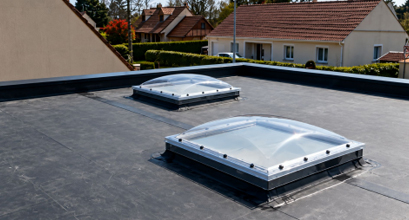
Particular attention should be paid to areas around rooflights, drainage outlets, upstands and roof edges, where problems may be more likely to develop.
It's also worth checking inside the building for signs of moisture or water ingress that might not be immediately visible from outside.
We would recommend that customers arrange a professional roof inspection at least once a year, with additional checks following particularly severe weather.
An experienced roofing contractor will be able to spot potential issues early and recommend any necessary maintenance.
Of course, working at height carries significant risks, so roof inspections should always be carried out safely by someone with the appropriate knowledge and equipment.
Keep an eye on the smaller details
Even relatively minor issues can affect an EPDM roof's performance if left unattended.
Some of the most common things to look out for include:
- Damage caused by storms or strong winds
- Punctures or tears in the EPDM membrane
- Loose trims or damaged roof flashings
The roof's surroundings can also make a difference.
For example, overhanging branches may cause damage during strong winds, while roofs in more exposed locations may require additional attention following severe weather.
By understanding the conditions their roofs are exposed to, customers can plan maintenance accordingly and prevent smaller issues from becoming more serious.
Leave the bigger jobs to the professionals
While keeping gutters clear and checking for visible damage are relatively straightforward tasks, certain roofing problems require professional attention.
If your customers notice damaged flashings, loose trims, punctures or signs of water ingress, encourage them to contact an experienced roofing contractor.
It's particularly important that any repairs are carried out using materials and methods compatible with the existing EPDM roofing system.
Using unsuitable products could compromise the membrane and lead to further problems.
For contractors working with TRC, Avenir Roofing Ltd provides technical guidance, installation resources and a comprehensive range of compatible accessories to support correct installation and maintenance.
With more than 35 years' experience in the roofing trade, the team understands the importance of using the right products and following the correct installation methods.
Helping customers get the most from EPDM
EPDM is designed to provide long-lasting protection against the British weather, but a little maintenance can go a long way towards ensuring it reaches its expected lifespan.
By sharing practical advice, roofing contractors and merchants can help their customers protect their investment and keep their roofs in good condition for years to come.
As the leading UK supplier of TRC EPDM products, Avenir Roofing Ltd supports merchants and contractors nationwide with high-quality membranes, compatible accessories, training and technical guidance.
Whether you're already working with TRC or considering adding it to your range, get in touch with the Avenir Roofing Ltd team to find out more about the products and support available.