12 November 2026 | Hedging Plants Direct
Bare Root Hedging Season Opens as Essex Nursery Begins Lifting From Its Fields
Dedham, Essex, November 2026. With autumn temperatures falling and hedge plants slowing into dormancy, Hedging Plants Direct has begun lifting bare root hedging from its fields at its family-run nursery in Dedham, marking the start of the season that many gardeners, landscapers and farmers wait for each year.
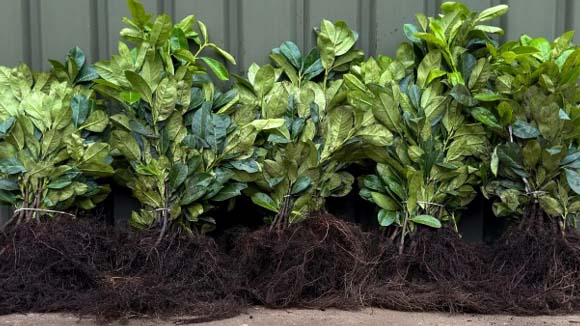
Bare root hedging is grown in the open ground and lifted without a pot or soil around the roots. Because plants can only be moved safely while they are dormant, the season normally runs from November through to around April. Lifting depends on ground conditions and can end earlier than expected if spring growth starts sooner.
For anyone planning a new hedge this winter, bare root plants offer several practical advantages:
- They are generally less expensive than pot-grown plants of a similar species and size.
- With no pots or growing medium, they are light, compact and easy to handle on site.
- They suit long runs of hedging, from garden boundaries to native field hedges.
Species lifted as bare root plants include Hawthorn, Green Beech, Hornbeam, Common Privet and Cherry Laurel, along with native mixes for gardens, fields and countryside schemes. Hazel, Field Maple and Dogwood are also available bare root during the season.
One thing that can surprise first-time buyers is that deciduous plants such as Beech, Hornbeam and Hawthorn arrive without leaves. This is entirely normal for a dormant plant and is no sign of a problem. The leaves follow in spring once the roots have settled.
"People are sometimes tempted to buy the biggest plants they can find, but with bare root hedging a younger plant is often the better choice," said Will Bodsworth of Hedging Plants Direct. "A 40 to 60cm Hawthorn, Beech or Hornbeam settles in quickly after planting and often catches up with larger plants within a few seasons. The most important thing is getting the roots into the ground promptly and keeping them from drying out."
Good preparation makes a real difference. The nursery advises clearing weeds and grass along the planting line first, then digging a trench wide enough for the roots to spread without being bent. Roots should be kept out of wind, sun and frost until planting, and briefly soaked if they look dry. Each plant should go in at about the same depth it was growing in the field, then be watered thoroughly and kept watered through dry spells in its first growing season.
Gardeners comparing species, sizes and pack options can browse the nursery’s full range of bare root hedging, which is updated through the season as availability changes.
Popular native sizes can sell out early in the winter, so anyone with a hedge in mind is advised to plan ahead and plant while the ground is workable rather than waiting for spring.