Company details for:
RAH Consultancy
29 Lower Monk Street,
Abergavenny,
Monmouthshire,
NP7 5LU,
United Kingdom
Quick Links:
Products / Services
Water Consultants Overview
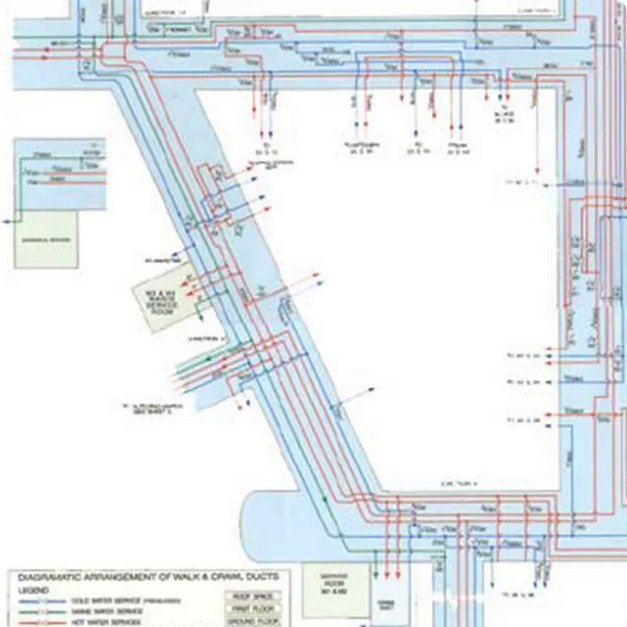
As water industry specialists, we provide the most effective solutions for your needs. RAH Consultancy offers independent water engineering advice to installers, users, and manufacturers of water devices connected to the public supply, covering product design, installation, and fitness for purpose.
Our services are particularly relevant for products subject to the UK’s Water Supply (Water Fittings) Regulations and Water Supply (Water Quality) Regulations.
For more information about our Water Engineering Consultancy services, please explore the Water Consultants menu on the left (or below this article on mobile devices).
Water Manufacturers Mentoring Service
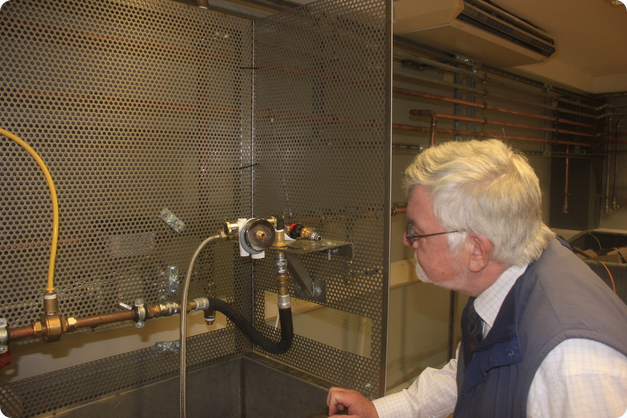
RAH Consultancy provides a mentoring service to help clients navigate the procedures required to comply with UK Water Regulations. This service is especially valuable for overseas clients, as our experienced team can guide them through the complex web of current regulations, ensuring any necessary design changes are implemented efficiently. We act as an agent and liaison between the Water Regulations Advisory Scheme (WRAS), test houses, and our clients, providing clear explanations of all requirements.
UK law mandates that water devices and products comply with the Water Supply (Water Quality) Regulations and Water Supply (Water Fittings) Regulations. These regulations set out design and installation requirements for water fittings used in UK properties, as well as allowable materials and substances in the water supply. The Fittings Regulations also provide guidance on installation methods, backflow protection, and design considerations to ensure proper product installation.
The suitability of a fitting’s design and manufacture is generally assessed against current British or European Standards.
Water Systems Design
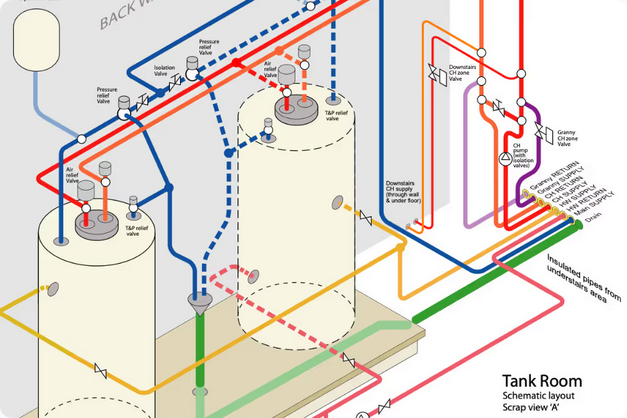
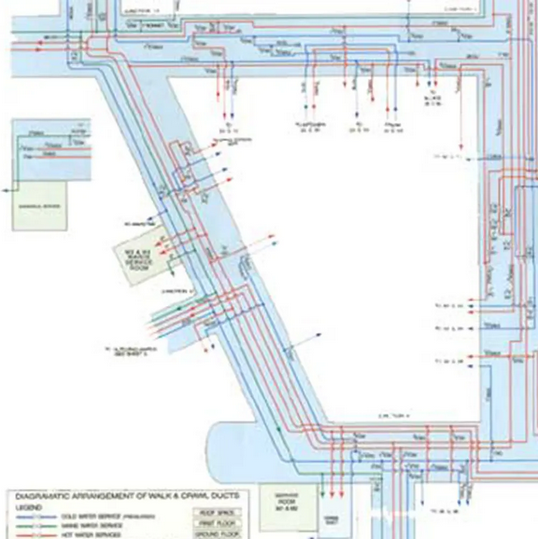
Our expertise in all areas of building design allows us to provide fast, professional advice, design solutions, and support with the installation of water fittings that comply with Water Regulations. Working with us can deliver significant benefits; for example, Mace Group credited our input with advancing the completion of their South Bank Tower high-rise in London by several months. Partnering with us helped them reduce second and third-fit work, stay on schedule, and meet their commercial goals.
We have the in-house capability to deliver both domestic and commercial designs tailored to your requirements. Learn more about how we can support your project with Water Regulations compliance.
Water Systems & Device Failure
RAH Consultancy offers independent water engineering consultancy to installers, users, and manufacturers of water devices connected to and operating within the public water supply. Our advice covers product design, installation, and fitness for purpose.
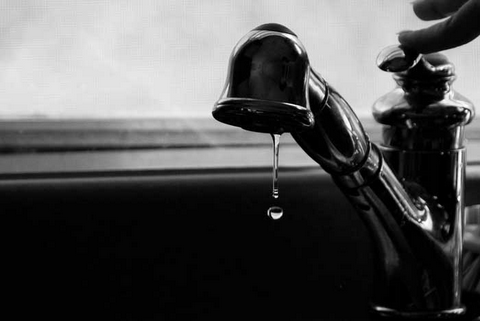
This service is especially important for products subject to the UK Water Supply (Water Fittings) Regulations and Water Supply (Water Quality) Regulations. We are frequently commissioned by manufacturers and construction companies to investigate failures in water system installations and devices.
For more information about our Water Engineering Consultancy services, please see the Water Consultants menu on the left (or below this article on mobile devices).

International Water Consultancy
RAH Consulting has extensive experience working across diverse regions, including the USA, Europe, Africa, Asia, and Australasia, undertaking both short- and long-term engineering projects.
We have also been involved in the design of water products and devices and are well-versed in the testing requirements of European, Australian, and US approval bodies. Through our mentoring service, we can coordinate and manage testing for other national authorities. Recently, we have liaised with approval bodies in Japan, South Korea, Australia, and South Africa on behalf of our clients.
Water Laboratory Auditors
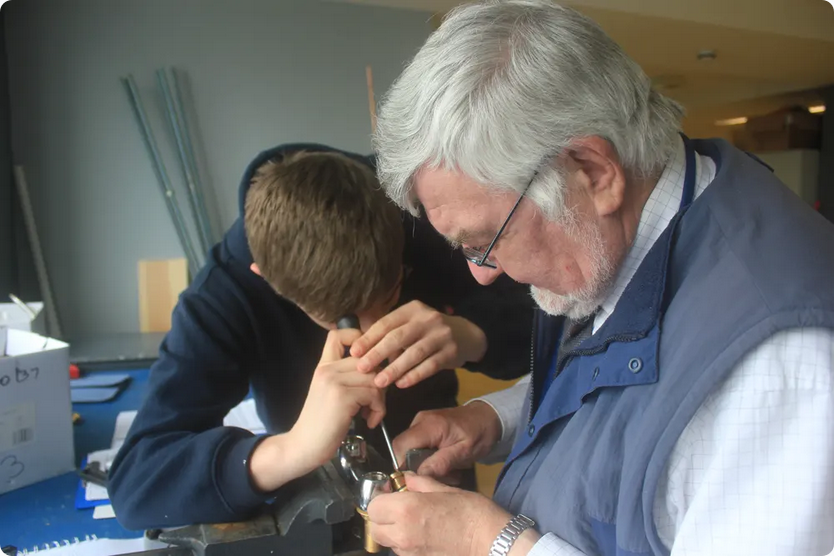
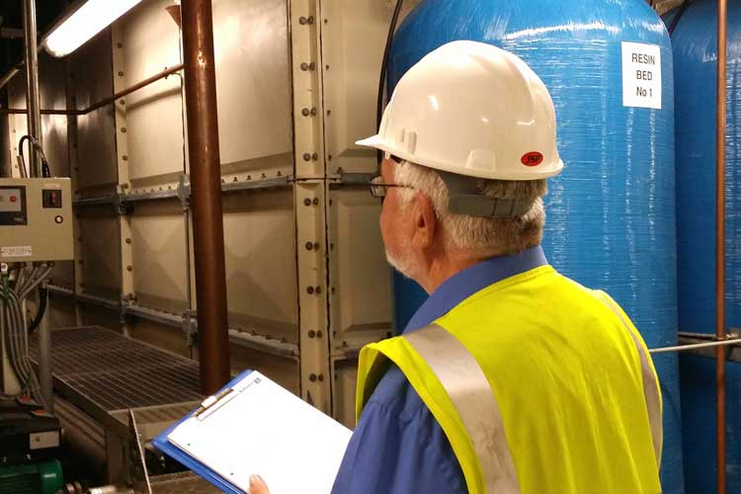
RAH Consultancy routinely conducts water laboratory audits for leading labs in the UK and internationally.
We have extensive experience auditing laboratories to the standards of ISO/IEC 17025:2017, which specifies the general requirements for the competence of testing and calibration laboratories.
Water & Building Regulations Consultants for the Construction Industry
RAH Consultancy has demonstrated that our expertise can significantly shorten the installation time for water services in all types of properties, as shown in our case studies. In one project, we eliminated the need for third-fix solutions, cutting three months from the project schedule.
Water Product Certification Consultants
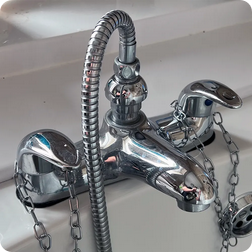
RAH Consultancy partners with many of the UK’s leading companies, providing expert advice across all areas of the UK water industry, including design, manufacturing, and regulatory compliance.

Water Industry Expert Witness
Richard Hurst, Director of RAH Consultancy, has extensive experience as an Expert Witness, with his first case over 25 years ago and more than 40 cases since, primarily in the water industry.
He has served as a party-appointed expert, single joint expert, and expert adviser, fully adhering to the CJC Experts Protocol. Richard understands his duty to act independently, with reasonable skill and care for his clients, while prioritising his overriding responsibility to assist the court.
His experience includes serious cases involving death and injury caused by legionella, as well as injuries from scalding.

Intellectual Property & Patents Expert Witness
Patents are a form of intellectual property that grant an inventor exclusive legal rights to prevent others from copying, using, or selling their invention for a set period following its public disclosure. In modern terms, an industrial patent protects new, useful, and non-obvious inventions.
Patents are granted and enforced under national laws and may also be recognised internationally through treaties, though protection generally requires filing in each country. Once published, a patent constitutes "prior art," meaning it is considered new and previously unused in a given context. However, prior art can be contested if evidence shows the invention was already in use for a different purpose. In such cases, a patent’s validity may be challenged in court, arguing that someone skilled in the field could have linked the prior use to the newly patented application at the time of filing.
About us
IP & Patents Expert Witness: Recognised by Acquisition International as the “Most Highly Regarded Expert Witness 2017”.
What is a Patent?
A patent gives inventors legal rights over new, useful, and non-obvious inventions. It prevents others from making, using, or selling the invention without permission for a limited time. Patent rights are territorial, requiring registration in each jurisdiction, though international treaties offer coordinated protection.
Once published, a patent becomes public "prior art" and can be used to assess or challenge future applications. Still, many companies—domestic and international—develop products that infringe on existing patents, often believing their designs are novel or non-infringing. It falls to the patent holder to challenge such use, sometimes through legal action.
Why Patent Disputes Arise
Common dispute areas include:
Novelty & Obviousness: Was the invention truly new and non-obvious when filed?
Prior Use or Disclosure: Was the invention already known or used before the filing date?
Scope of Claims: What exactly does the patent protect? Interpretation may vary by jurisdiction.
RAH Consultancy in Patent Litigation
Led by expert witness Richard Hurst, RAH Consultancy provides clear, technically sound input to support legal teams in building or defending patent cases. With extensive industry experience, Richard offers practical insight and analytical depth into mechanical and technical issues central to a dispute.
Our Services
Prior Art Review: We analyse earlier technologies or publications that could affect patent validity.
Technical Expert Opinions: We work with legal teams to assess patent novelty, infringement, and claim interpretation.
Scientific Testing & Analysis: We conduct experiments or review test methods used by opposing parties, supporting fact-based arguments with full documentation.
Reports & Testimony: We prepare technical reports for litigation and provide expert witness testimony at hearings and trials.
Images




Reviews
Trade Associations