07 September 2026 | GS Driver Training
HGV Class 1 or Class 2? Understanding Category C and C+E Licences
A clear guide to the difference between Category C and Category C+E lorry licences, the vehicles each entitlement covers, and the practical questions to consider before choosing an HGV training route.
Choosing an HGV training route starts with the vehicle you need to drive. “Class 1” and “Class 2” remain widely used industry terms, but the legal entitlements shown on a UK driving licence are Category C and Category C+E.
What does Category C cover?
GOV.UK defines Category C as vehicles over 3,500kg maximum authorised mass with a trailer up to 750kg. This category is commonly associated with rigid lorries, where the cab and load-carrying body form one vehicle.
What does Category C+E cover?
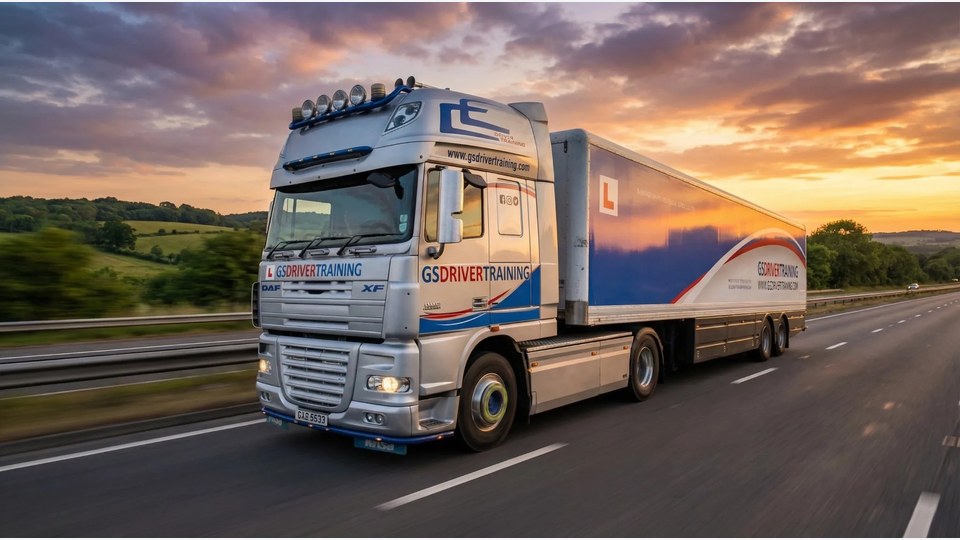
Category C+E allows the holder to drive a Category C vehicle with a trailer over 750kg. This is the entitlement generally used for articulated lorries and other large vehicle-and-trailer combinations.
The correct choice therefore depends on the work and vehicle, not simply on which category sounds more advanced. Someone expecting to drive rigid delivery or refuse vehicles may need Category C. A role involving articulated units or a heavy trailer will normally require Category C+E.
Questions to check before training
- Which vehicle category does the intended role require?
- What entitlements are already shown on the applicant’s driving licence?
- Will the vehicle be used professionally, making Driver CPC relevant?
- Does the intended vehicle include a trailer, and what is its authorised mass?
New applicants should also check the current medical, provisional-entitlement and testing requirements that apply to their circumstances. Professional lorry driving normally requires the appropriate vocational licence and the Driver Certificate of Professional Competence, although the precise route can vary according to previous qualifications and any applicable exemptions.
GS Driver Training provides separate course information for Category C and Category C+E. Comparing the two pages before booking helps learners focus on the vehicle entitlement they actually need. Anyone unsure should check the vehicle specification or role requirements and speak with the training team before choosing a course.
Always use the current GOV.UK driving-licence category guidance as the final reference for legal entitlement.