07 September 2026 | GS Driver Training
Category C1 or D1? 7.5-Tonne Vehicle and Minibus Licences Explained
Category C1 and D1 cover different types of vehicle. This guide explains the official weight, passenger-seat and length limits so drivers can identify the entitlement relevant to a 7.5-tonne vehicle or minibus.
Category C1 and Category D1 are sometimes discussed together because both can sit between an ordinary car licence and the largest vocational vehicle categories. They are not interchangeable: C1 is a goods-vehicle entitlement, while D1 is a passenger-vehicle entitlement.
What does Category C1 cover?
Under the GOV.UK driving-licence category definitions, Category C1 covers vehicles between 3,500kg and 7,500kg maximum authorised mass. A trailer up to 750kg can also be used. The category is relevant to many medium-sized goods vehicles, including vehicles commonly described as 7.5-tonne lorries.
What does Category D1 cover?
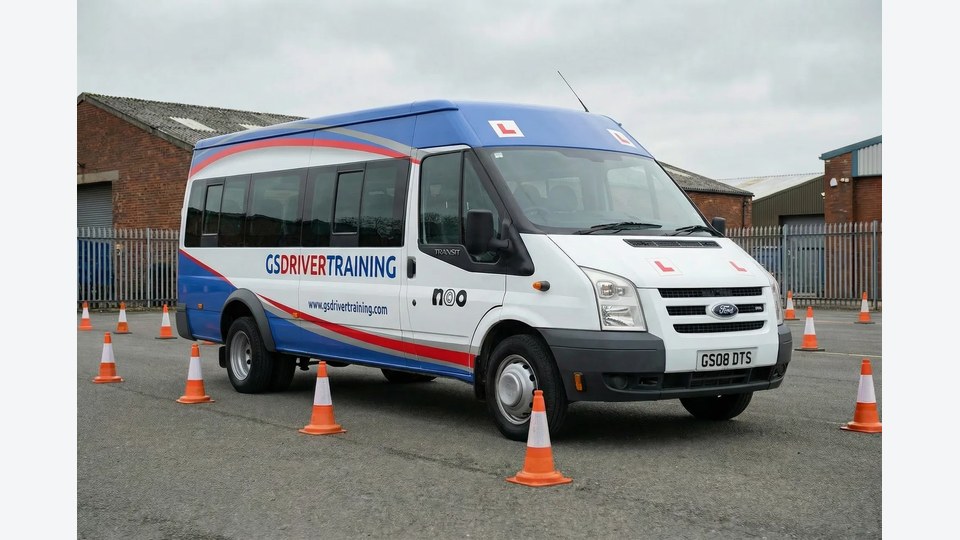
Category D1 covers vehicles with no more than 16 passenger seats and a maximum length of 8 metres. A trailer up to 750kg can also be used. This is the vocational category associated with qualifying minibuses.
Why the distinction matters
The category depends on the vehicle’s approved specification and purpose. A C1 entitlement does not provide D1 passenger-vehicle entitlement, and D1 does not provide C1 goods-vehicle entitlement. Drivers should check the vehicle’s maximum authorised mass, seating capacity, length and trailer requirements rather than relying on an informal vehicle description.
Professional use may add further requirements
Holding the correct driving-licence category is only one part of professional driving compliance. Driver CPC may be required when driving a lorry, bus or coach is the main part of a person’s job. GOV.UK lists exemptions and examples, but circumstances differ and the official guidance warns that only a court can make a definitive decision on how the rules apply.
Before selecting training, check:
- - whether the vehicle carries goods or passengers;
- - its maximum authorised mass;
- - the number of passenger seats and overall length;
- - the size of any trailer;
- - whether the intended work requires Driver CPC.
GS Driver Training provides dedicated Category C1 and D1 course information. Reviewing the correct course page and the official licence-category definitions helps applicants avoid training for an entitlement that does not match the vehicle they expect to drive.