10 September 2025 | Workline Safety Ltd
Embroidery or Printing?
Workwear might be a practical necessity, but that doesn’t mean that it can’t look good! It can serve two purposes – for safety and identity. Branded workwear can be a valuable marketing tool, building a professional business image and helping your staff feel like a ‘real’ team.
Beyond the protective qualities, the way your brand is presented on your team's workwear is so important. It can create trust for customers and help them easily identify your staff, making them feel more secure when your people are working on their property.
Embroidery or Printing?
When you decide to get your workwear branded, you then have to decide how you want to apply your logo and branding. The two main choices are embroidery and printing. Both methods offer advantages, and the "best" choice depends on your specific needs, the garment type, your design's complexity, and your desired end look.
Embroidery
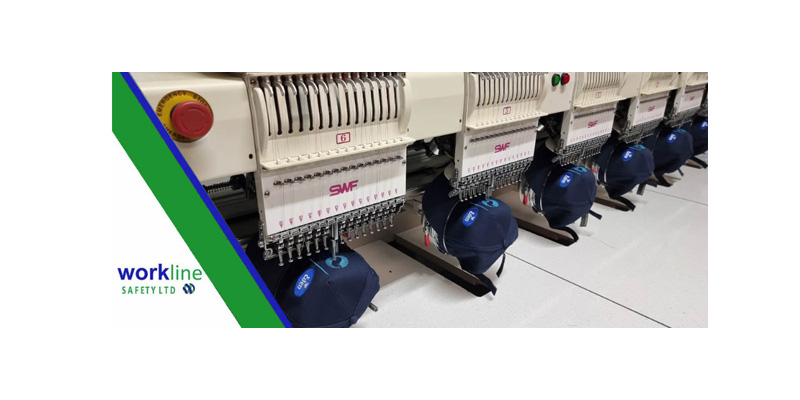
Embroidery involves stitching your design directly onto the fabric.
Pros:
- Premium Look and Feel: Embroidery delivers a textured and professional finish that looks high-quality.
- Exceptional Durability: The stitched design is resistant to fading, cracking, or peeling, making it ideal for workwear that undergoes frequent washing and heavy use in demanding environments.
- Ideal for Heavier Fabrics: Embroidery works well on thicker fabrics like polo shirts, jackets, fleeces, and caps.
Cons:
- Cost: Generally, embroidery is more expensive, especially for large or highly intricate designs, as pricing is often based on stitch count. For example, a front left breast embroidery of 2000 stiches which would be around 10cm wide, would cost from £2.50, whereas as a large back embroidery of 15,000 stitches could cost around £6-10 per embroidery. There's also a one-off digitisation fee for your logo (typically £25 to £40)
- Detail Limitations: Very thin text or highly complex designs can lose some detail when translated into embroidery.
- Potential for Pucker on Light Fabrics: Embroidery is not always suitable for very thin or stretchy materials, as the stitching can cause puckering.
Printing
Printing involves applying a transfer directly onto the fabric surface using heat.
Pros:
- Cost-Effective for Volume & Detail: This can be more budget-friendly for large orders, and heat transfers can handle intricate designs, gradients, and a full spectrum of colours with sharp detail. Heat Transfer Prints are priced in quantity bands of 25 and size, so typically a front breast print of 50 sq cm will cost around £3.50 each for 25 prints whereas 100 will cost around £2.00 including application.
- Versatility Across Fabrics: Heat transfer printing is suitable for a wider range of materials, including lighter fabrics like t-shirts and high-visibility garments where embroidery might compromise waterproofing or comfort.
- Large Design Areas: Printing is also best for big logos or designs across the back of garments.
Cons:
- Durability: While modern printing techniques have improved significantly, prints can fade, crack, or peel over time, especially with frequent washing and harsh treatment. The regular prints we use (Digitran) are tested to a minimum of 50 washes at 60°C. However, we can also supply industrial wash prints which will meet even higher washing demands.
At Workline Safety, we provide both high-quality embroidery and printing services to customise your workwear. We can advise you on the best approach to ensure your team looks professional, stays safe, and effectively represents your brand. Get in touch today to discuss with our team what would work best for your workwear.